The head of Aramco gave up to two years to replenish oil reserves. Analysts disagreed with him.


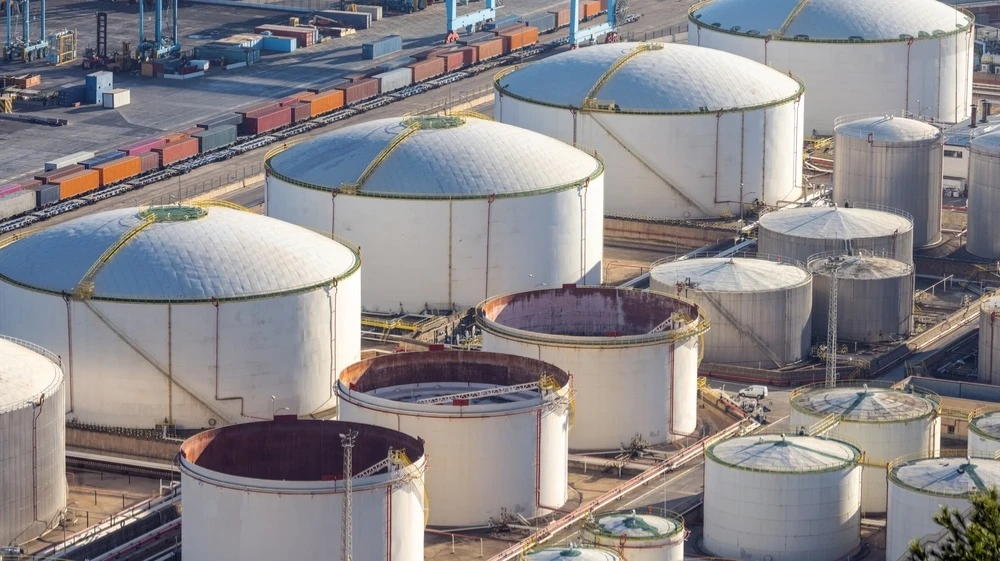
Global oil reserves are "alarmingly low," and it will take two years to replenish them, warned the head of Saudi Aramco / Photo: Shutterstock.com / Skorzewiak
The global oil market may take up to two years to replenish the supplies lost due to the war in the Middle East, warned Saudi Aramco CEO Amin Nasser. However, some analysts believe the market may be able to restore balance more quickly, according to MarketWatch.
What the head of Saudi Aramco said
Since the U.S. and Israel launched military strikes against Iran in late February, the global market has lost about 3 billion barrels of oil, Nasser said at the Energy Intelligence conference in London.
As the war between the U.S. and Iran drags on, supply shortages could worsen even further, he warned. “Until the Strait of Hormuz is fully reopened and confidence [in energy markets] is restored, the harsh reality is that pressure on the oil supply chain will intensify. But even after that, it could take up to two years to rebuild inventories while simultaneously meeting demand,” said the head of Saudi Aramco (as quoted by Reuters).
Now, however, oil reserves are “alarmingly low, ” according to Nasser. According to his data, more than 1 billion barrels of oil have already been withdrawn from storage to make up for the shortfall, CNBC reports. Less than 6 billion barrels remain in storage, and most of that volume is “virtually inaccessible,” Nasser says, — up to 90% of that volume is in pipelines or is needed to maintain a minimum level without which the storage tanks cannot operate, Reuters explains. “The system is already operating at the limit of its capacity,” the company’s CEO warned.
What Analysts Are Saying
However, some analysts considered the Saudi Aramco CEO's statements to be overly pessimistic, MarketWatch notes.
“Although we do see that crude oil inventories in some regions are below normal levels, I’m not sure the situation is as alarming as his [Nasser’s] words suggest,” said Gary Cunningham, director of market research at the consulting firm Tradition Energy. According to him, redistributing such a volume of oil to fully restore the balance will indeed require significant and coordinated efforts; however, it remains to be seen whether individual regions will return to their previous levels of oil storage at all. In addition, the picture of where oil will come from is changing: Venezuela’s likely return to the global market could lead to a restoration of balance much sooner than the Aramco CEO anticipates, Cunningham added in comments to MarketWatch.
If the Strait of Hormuz were to open, global production could reach record levels, and new alternative routes would reduce dependence on this vital oil transport route, according to Phil Flynn, senior market analyst at Price Futures Group. In his view, this could lead to a supply glut in the market as early as 2027.
It could take 12 to 24 months to replenish global reserves, as the conflict in the Middle East is not yet over, according to Matt Gertken, chief geopolitical strategist at BCA Research, as quoted by MarketWatch. In his view, the conflict will be “a long, albeit slow-burning war that Iran will deliberately wage in a way that makes it difficult to fully restore global reserves before the 2028 U.S. presidential election.”
What's Happening in the Oil Market
Oil prices are falling for the second day in a row. According to Reuters, oil exports from the Persian Gulf countries not only returned to pre-war levels in September but actually exceeded them. Against this backdrop, November WTI futures fell on October 5 to $89.4 per barrel, while December Brent futures dropped by nearly 2% to around $100. Nevertheless, despite this decline, U.S. WTI contracts have risen by nearly 57% since the start of the year due to geopolitical tensions, while the global benchmark, Brent, has risen by 66%.
This article was AI-translated and verified by a human editor