The European Union has invited Canada to become its first associate member
European Commission President Ursula von der Leyen called for the formation of new coalitions to defend democracies

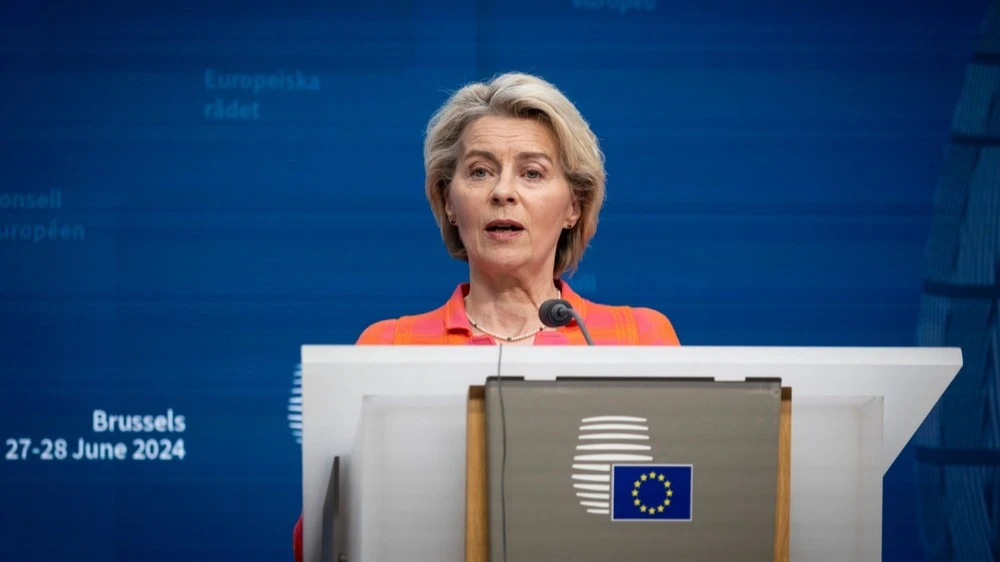
European Commission President Ursula von der Leyen called for the formation of new coalitions to defend democracies / Photo: Nicolas Economou/Shutterstock
European Commission President Ursula von der Leyen has proposed that Canada become the European Union’s first associate member, according to Bloomberg. She made this proposal on September 16 in Strasbourg during her annual “State of the Union” address, which was attended by Canadian Prime Minister Mark Carney.
Details
“In this new world, we must urgently rethink our partnerships and build global coalitions for the sake of our resilience and the protection of democracies,” Leyen said. “I would like to work with you to make Canada the European Union’s first associate member.”
Earlier this year, Carney warned that the “rules-based international order” was falling apart. He has repeatedly called on so-called middle powers to unite to counter the tactics of pressure and intimidation from the world’s dominant economies, Bloomberg noted.
During her speech, Leyen also touched on the topic of closer cooperation with Canada in the areas of manufacturing, technology, defense, and energy, calling the Arctic a “flagship joint project.”
According to Bloomberg sources familiar with the agenda of the Canada-EU dialogue, Canada’s list of priorities includes completing the ratification of CETA—the Comprehensive Economic and Trade Agreement between the EU and Canada. This agreement was finalized ten years ago but has yet to be officially approved by 10 European countries. Among the unresolved issues are resolving disagreements over the European carbon pricing mechanism for imported goods, as well as rules regarding deforestation and pesticide use, Bloomberg reports.
“Europe and Canada believe in democracy,” Leyen added. “And in the idea that power does not belong to the strongest, the richest, or those who shout the loudest.”
Context
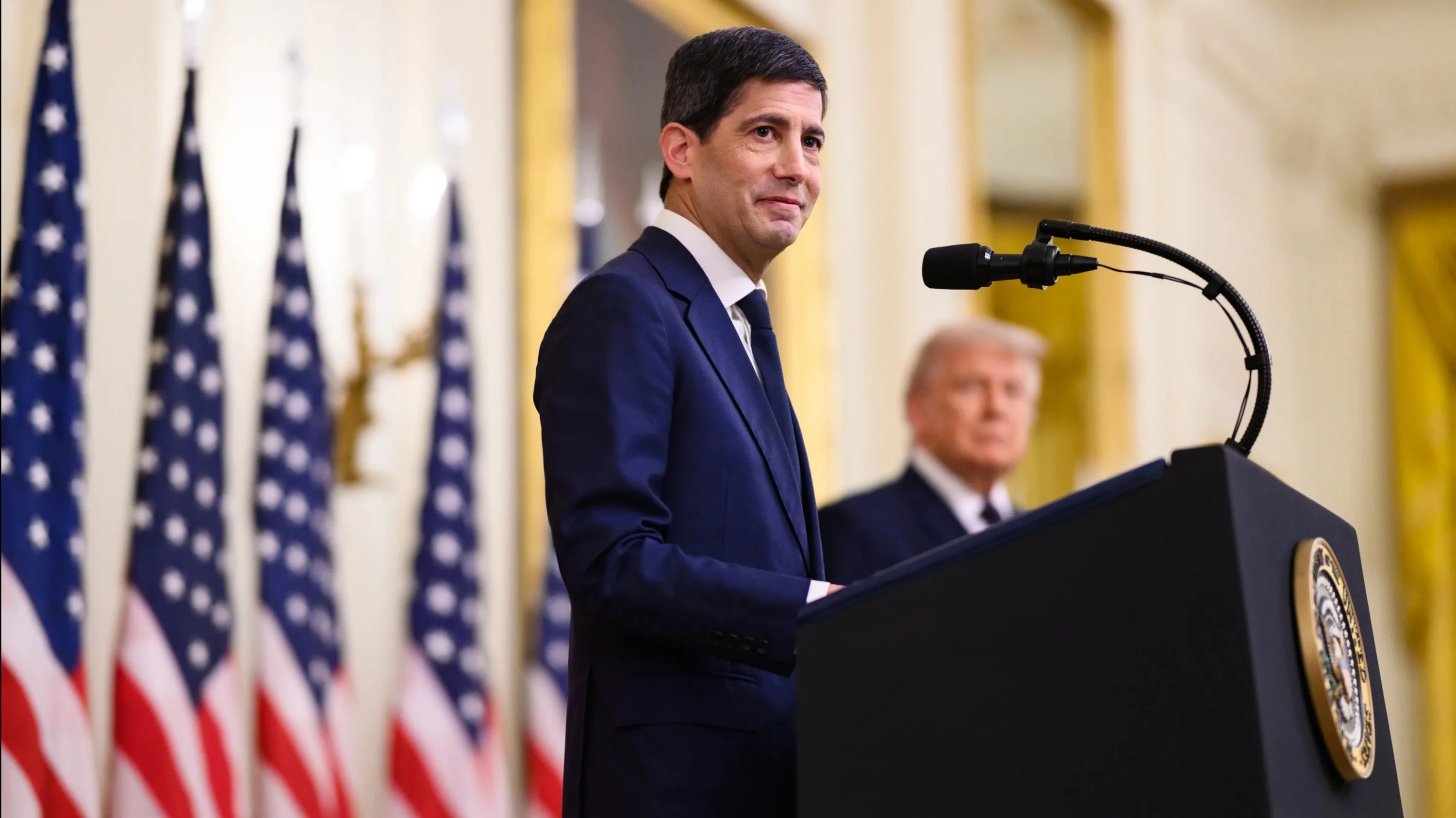
Canada found itself in a difficult situation with the U.S. following Donald Trump's return to the White House. In March 2025, Trump openly called on Canada to join the U.S. and become the 51st state in order to avoid higher import tariffs. Trade negotiations between the two countries finally collapsed in August 2026. Following this, Trump initially imposed tariffs of up to 50% on Canadian goods, and Ottawa subsequently announced retaliatory tariffs on imported U.S. goods.
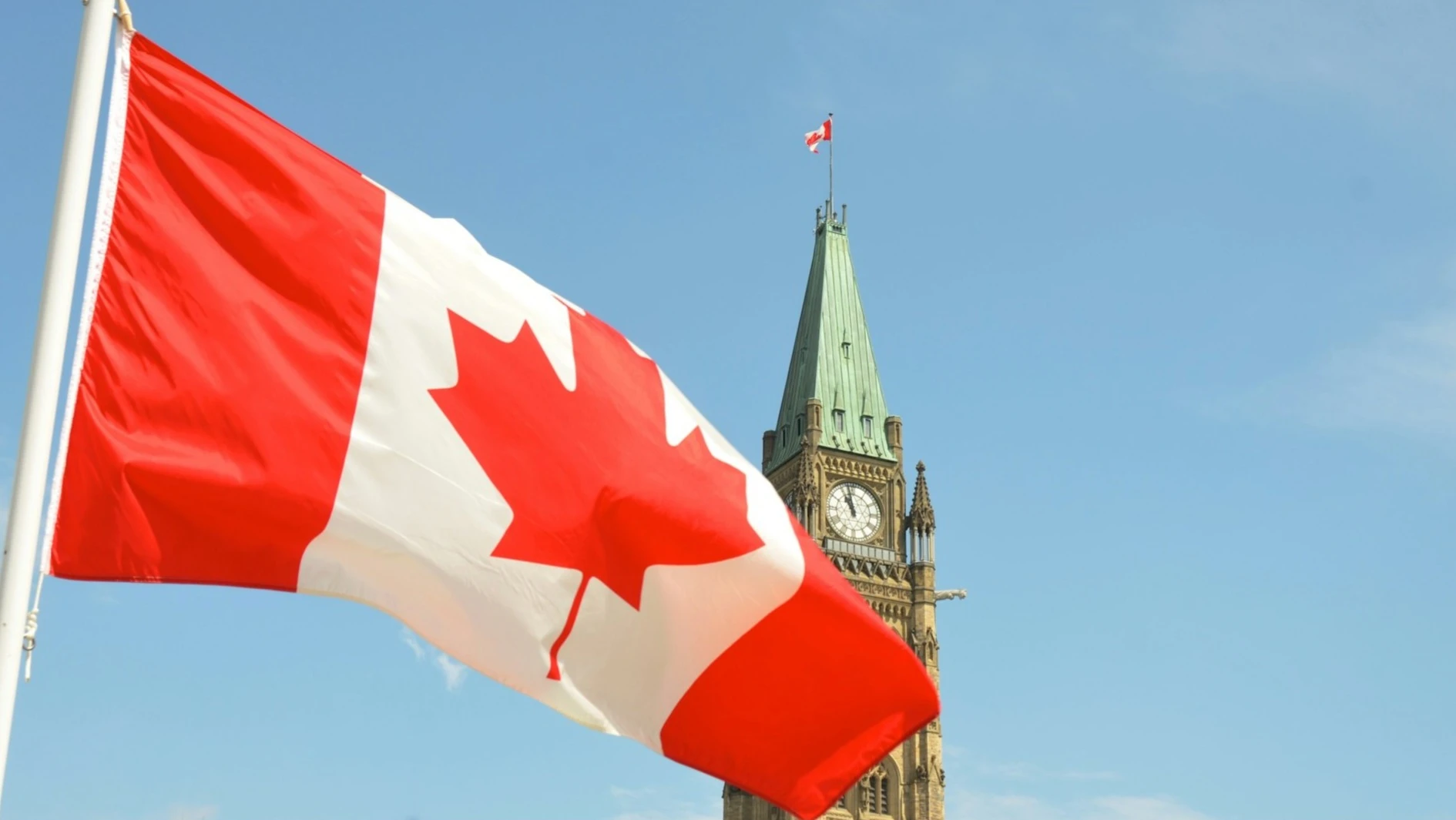
In early June, the European Broadcasting Union announced that Canada would participate in the Eurovision Song Contest in 2027 in Bulgaria. This will be the first time a new country has joined the contest since 2015, when Australia made its debut.
This article was AI-translated and verified by a human editor