"The Magnificent Three": These Chipmakers' Market Capitalization Rose by $2 Trillion Over the Quarter
Micron's market capitalization rose by $920 billion during the quarter, Intel's by $480 billion, and AMD's by $615 billion

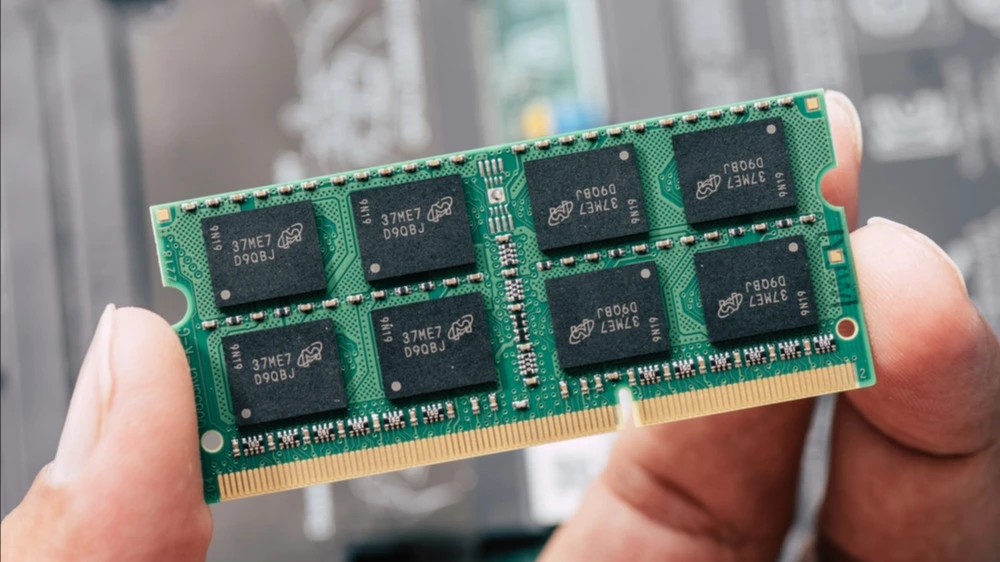
The quarter turned out to be a record-breaking one for processor and RAM manufacturers / Photo: Nor Gal / Shutterstock.com
In the second quarter, investors actively expanded their portfolios by adding shares of AI-related companies: against this backdrop, the combined market capitalization of chipmakers Micron, Intel, and Advanced Micro Devices increased by approximately $2 trillion during this period. They now rank 10th, 11th, and 12th among the most valuable U.S. technology companies, according to CNBC.
How Chipmakers Grew
Shares of Micron—one of the three largest manufacturers of computer memory—rose by more than 240% over the quarter, adding approximately $920 billion to the company’s market capitalization. Last week, the chipmaker reported that its revenue more than quadrupled in the last quarter due to record-high memory prices and demand from AI chip manufacturers. Micron’s gross margin—the profit remaining after deducting the cost of sales—jumped from 39% a year earlier to 84.9% in the reporting quarter. Most Wall Street analysts who track the memory manufacturer’s stock recommend buying it. At the same time, analysts still expect Micron’s stock to rise 33% to $1,543.2, according to MarketWatch data.

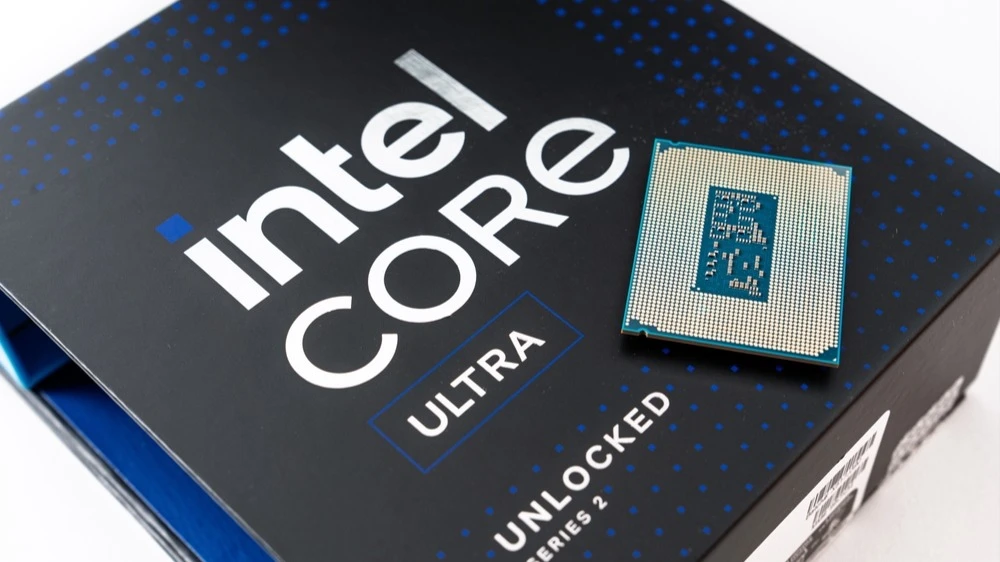
Shares of Intel, a central processing unit (CPU) manufacturer, surged 216% over the quarter, adding $480 billion to the company’s market capitalization. Intel is building chip factories in the U.S. and is simultaneously benefiting from a resurgence in demand for CPUs as more and more AI tasks are being offloaded to devices, according to CNBC. Wall Street expects the chipmaker’s stock to rise: the consensus price among analysts covering the stock is nearly 25% below the current price—$105.1. Most experts recommend holding the stock in a portfolio.
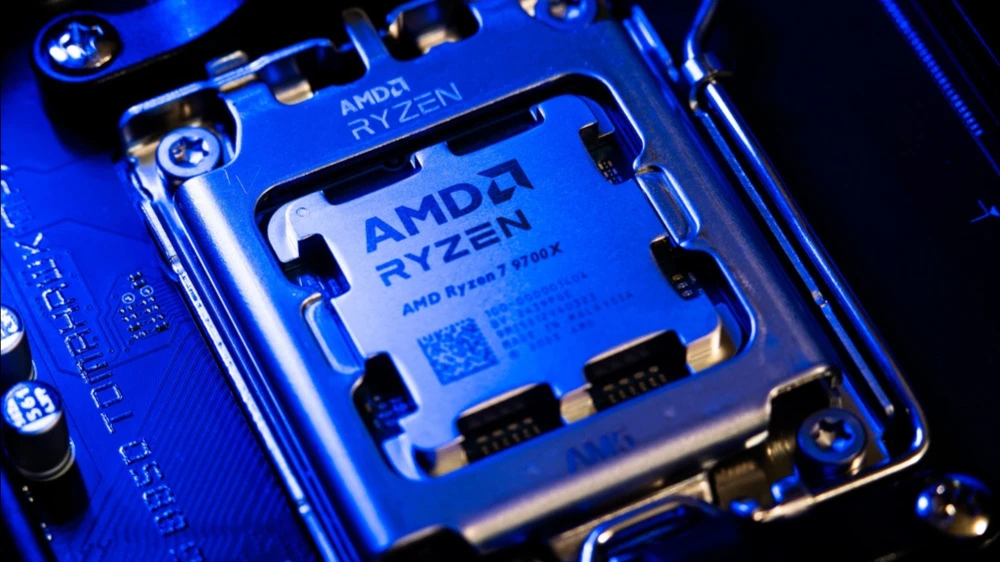
Intel’s competitor in the CPU market—AMD—has seen its market value rise by $615 billion over the past three months: the company’s stock price has nearly tripled. AMD also manufactures graphics processing units (GPUs), although it lags far behind Nvidia in that market. As with Intel, the consensus price estimate from Wall Street analysts tracking AMD’s stock is 12.5% below the closing price on June 30. However, most of the 58 analysts covering the stock recommend buying it.
Who else did investors buy?
Nvidia remains the largest company by market capitalization and continues to post tremendous revenue growth. However, its stock rose by only 15% in the second quarter. Nvidia’s clients—Amazon, Alphabet, Meta, and Microsoft—showed mixed performance during this period: Meta’s stock fell by nearly 2%, while Alphabet’s rose by 24%.
Other segments of the AI infrastructure supply chain, aside from memory and processors, have also seen sharp growth. Shares of Marvell, a manufacturer of networking equipment, rose by approximately 200%. Arm, a chip designer and holder of technology patents, increased its market capitalization by 134% over the quarter. The VanEck Semiconductor sector ETF gained 71% during this period, posting its best quarterly performance since the fund began trading in 2000.
“The shift from hyperscaler stocks to companies driving AI development has shifted investor enthusiasm toward the semiconductor sector and led to an impressive rally,” CNBC quotes a note by Barclays analyst Anshul Gupta, published on Tuesday.
According to many analysts who wrote about the market in the second quarter, the market’s movement during that period may have reflected a “changing of the guard in AI,” CNBC notes: Investors were buying shares of companies that produce semiconductors complementary to Nvidia’s chips, betting that big tech companies’ massive expansion of capital expenditures on AI data centers would support a broader range of companies.
This article was AI-translated and verified by a human editor