The Ministry of Finance did not make any new promises to the market regarding the buyback of government debt. Will its $1 trillion in reserves help?

U.S. Treasury Secretary Bessent Did Not Reveal New Measures to Support the Debt Market / Photo: Shutterstock.com
Contrary to market expectations, U.S. Treasury Secretary Scott Bessent refrained from sending any new signals regarding a possible revision of the government’s debt management approach during his long-awaited press conference, Bloomberg notes.
Last week—amid a surge in long-term government bond yields—Bessent announced that, starting September 9, the Ministry of Finance would at least double
the volume of repurchase agreements—from $2 billion to $4 billion. The very next day, he hinted at further expansion. However, this only temporarily calmed the bond market, and investors were hoping to hear more details.
The finance minister dodged questions about plans to buy back Treasury securities during a press conference, according to Bloomberg. “We haven’t bought a single bond yet,” he said. When asked whether he was considering reducing the volume of bonds offered at auctions, Bessent said the ministry would “continue its regular program” of bond auctions. He made it clear that there would be no changes until the Treasury’s next quarterly announcement on borrowing plans in early November.
However, analysts at Bloomberg Intelligence see it differently: “We would be surprised if another press conference weren’t held later this week to reveal some details about changes to the buyback program. We doubt that (...) the rally [in government bonds] will prove sustainable.”
A New Source of Redemption Funds
The rally in question was triggered by a CNBC report: its sources at the Treasury Department said the department could use funds from its account at the Federal Reserve—the Treasury General Account (TGA)—for the buyback. This account holds funds for upcoming government expenditures—ranging from Social Security payments to salaries for federal employees. As of August 20, the balance in this account stood at $935 billion, according to Bloomberg.
Since the Ministry of Finance itself did not disclose where it would obtain the funds, traders had previously assumed that the purchases would be financed through an additional issuance of short-term debt, including Treasury bills with maturities of up to one year. Due to many analysts’ skepticism regarding the effectiveness of these operations and concerns that the Treasury’s resources are too limited, the effect of the interventions was short-lived, CNBC explains.
At the same time, the officials cited by the TV channel did not rule out this possibility—that is, replacing one type of debt with another. Nor did they specify what portion of TGA’s reserves—if any—might be utilized.
The Ministry of Finance did not respond to Bloomberg's request for comment regarding the possible financing of the buyout using TGA funds.
Following the CNBC report, Treasury bonds rose in price: the yield on 10-year Treasuries fell by about 4 basis points. Nevertheless, it remains close to the high reached last week since Bessent took office.
What Analysts Are Saying
“This looks more like a very hasty attempt to stop the sell-off than the result of a well-thought-out discussion of cash management policy,” commented Blake Gwinne, head of U.S. interest rate strategy at RBC Capital Markets. He assessed the likelihood of TGA funds being used as “very, very low.”
Meanwhile, Padraic Garvey, head of ING’s research division for North and South America, stated that the source of funding makes no difference, according to MarketWatch. “The Treasury can’t create money out of thin air (...) Ultimately, it will still have to borrow money to replenish the TGA balance,” agreed Robert Brusca, president of FAO Economics. Overall, Brusca compared the logic of buying back securities while the Treasury simultaneously continues to borrow in the market to moving a bag of sand from the back seat of a car to the trunk.
Citadel Securities called the Treasury Department’s intervention “financial repression,” which could weaken the dollar and accelerate inflation. Lower yields could negatively impact the dollar’s appeal and thereby lead to higher import costs, warned Nohshad Sha, head of fixed-income sales for the EMEA region. “The signal from the bond market is crystal clear: fiscal or monetary policy needs to be tighter,” Sha wrote. “A sustainable solution lies not in repeated interventions, but in making more complex decisions regarding fiscal policy and central banks’ willingness to act preemptively against inflation—including, if necessary, by raising interest rates.”
Analysts at Goldman Sachs also believe that a further slowdown in inflation remains the most reliable way to lower U.S. Treasury yields.
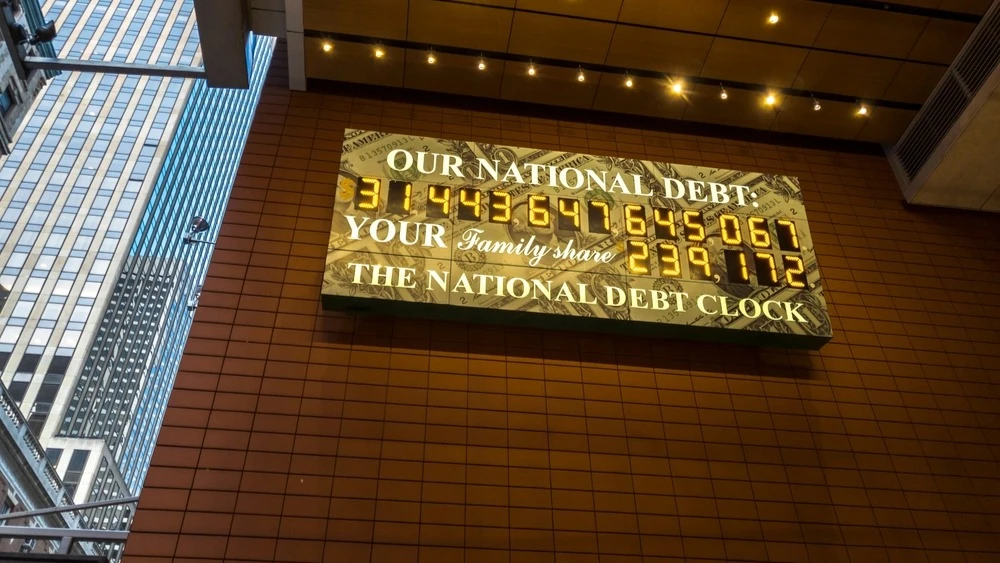
“I think we should take a wait-and-see approach for now,” said Brian Reiling of the Wells Fargo Institute, when asked whether Monday’s decline in yields would lead to increased demand for long-term Treasury bonds. “Given the total volume of U.S. national debt, we’re still talking about a drop in the bucket,” he said regarding the scale of the Treasury’s interventions.
This article was AI-translated and verified by a human editor