The Ministry of Finance reassured the market: U.S. stocks snapped a three-day losing streak
Yields on 30-year government bonds fell at their fastest pace since October

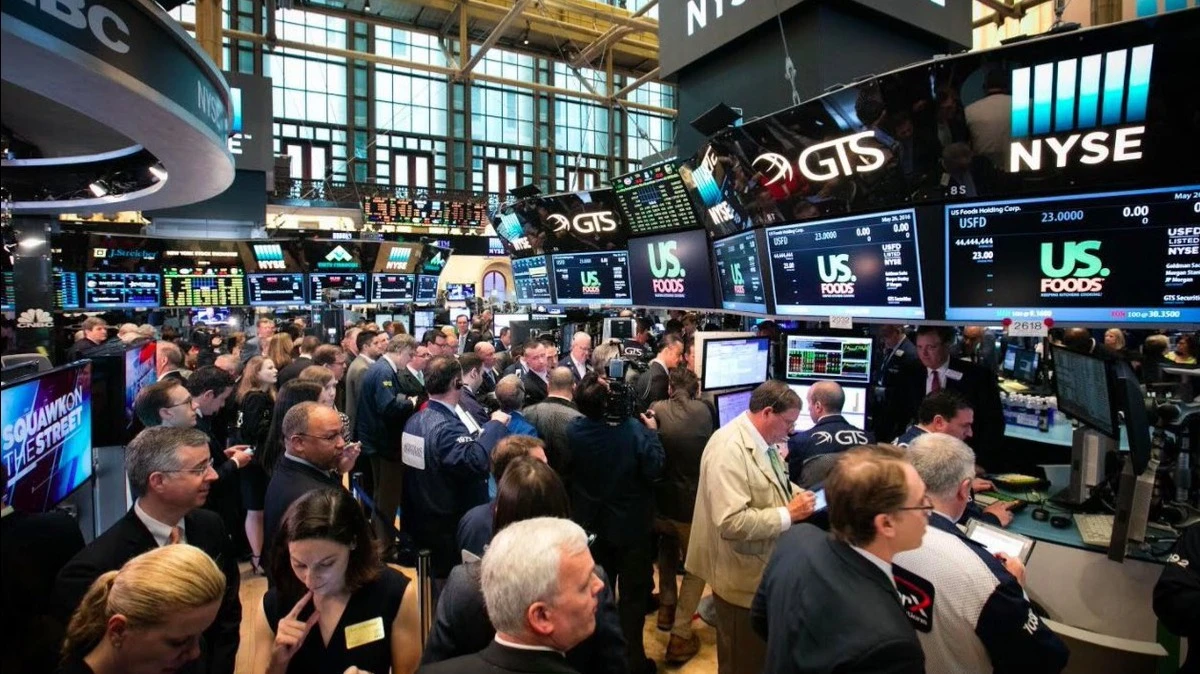
Photo: X / NYSE
All three major U.S. stock indices closed slightly higher on August 19—the U.S. Treasury Department reassured the bond market by announcing plans to double the volume of government debt purchases next month, according to MarketWatch.
Details
The yield on 30-year Treasury bonds, which had been hovering near a 19-year high in recent days, fell by 9 basis points on Wednesday to 5.19% amid measures taken by the Treasury Department. According to Dow Jones Market Data, this was the largest single-day decline in yields since October 2025. Government bond prices, which rise as yields fall, strengthened as a result.
The S&P 500, a broad U.S. stock index, also ended the day in positive territory (up 0.21%), the tech-heavy Nasdaq Composite (up 0.16%), and the Dow Jones Industrial Average (+0.22%). All three major Wall Street indices thus broke a three-day losing streak, which was driven, among other factors, by rising Treasury yields, higher oil prices, fears of rising inflation, and a stalemate in negotiations between the U.S. and Iran.
Gold prices jumped more than 4%, to $4,522.29 per ounce, as the yields on government bonds—which had been putting downward pressure on gold prices—declined. Spot silver rose more than 5%, to $66.7.
Context
The markets reacted to the U.S. Treasury’s announcement that it would increase the maximum volume of government debt buybacks—from $2 billion to “at least” $4 billion. The department made this announcement just two weeks after publishing its planned schedule of securities purchases for the coming months, and against the backdrop of the turmoil the government bond market has experienced in recent days, Bloomberg notes.
Yields on 30-year government bonds have hovered near 19-year highs since the start of the week (at one point jumping to their highest level since 2002), while yields on 10-year Treasury bonds rose to their highest levels since 2025. Amid a stalemate in negotiations between the U.S. and Iran and a renewed rise in oil prices, investors demanded higher compensation for risks related to inflation and rising government debt, Bloomberg reports. Corporate borrowing to finance artificial intelligence projects, as well as weakening demand from traditional buyers of long-term bonds, put additional pressure on the market, the agency explains.
What People Are Saying in the Market
“[The actions taken by the Ministry of Finance] are more of a temporary measure than a panacea,” says Lawrence Gillum of LPL Financial. “It’s a reminder that the Treasury is monitoring the situation and will do everything possible to prevent bond yields from rising too quickly,” he added.
“Essentially, these measures [by the Ministry of Finance] are a way to control the yield curve, designed to suppress long-term rates [on long-term government bonds], which are considered too high and risk derailing economic growth,” — agreed José Torres of Interactive Brokers.
At the same time, the U.S. Treasury’s measures change virtually nothing in fundamental terms, notes Krishna Guha of Evercore: the increase in the scale of government debt buybacks is modest compared to the flows in the Treasury bond market, he says. Overall, the U.S. Treasury bond market is worth about $31 trillion, MarketWatch notes.
This article was AI-translated and verified by a human editor