The S&P 500 posted its best week in six months. Barclays expects growth for the first time since March
The scandal surrounding Jensen Huang's resignation as CEO of Nvidia did not prevent U.S. stocks from rising


The S&P 500 rose more than 2.5% over the week, despite a plunge in Nvidia shares / Photo: NYSE
The Nasdaq Composite, a technology sector index, lost nearly 1% on Friday amid a continued decline in Nvidia shares and a sell-off among chipmakers. Despite this, it—along with the other two major U.S. stock indices—ended the week in positive territory. The S&P 500 fell 0.4% on Friday but gained 2.51% over the five trading sessions, marking its best weekly performance since August, according to Barron’s. The Nasdaq Composite rose 2.27% for the week, while the Dow rose 2.07%.
Details
During trading on November 13, the market was dragged down by a new sell-off in chipmakers' stocks, even though the latest inflation data eased concerns about more aggressive interest rate hikes by the Fed.
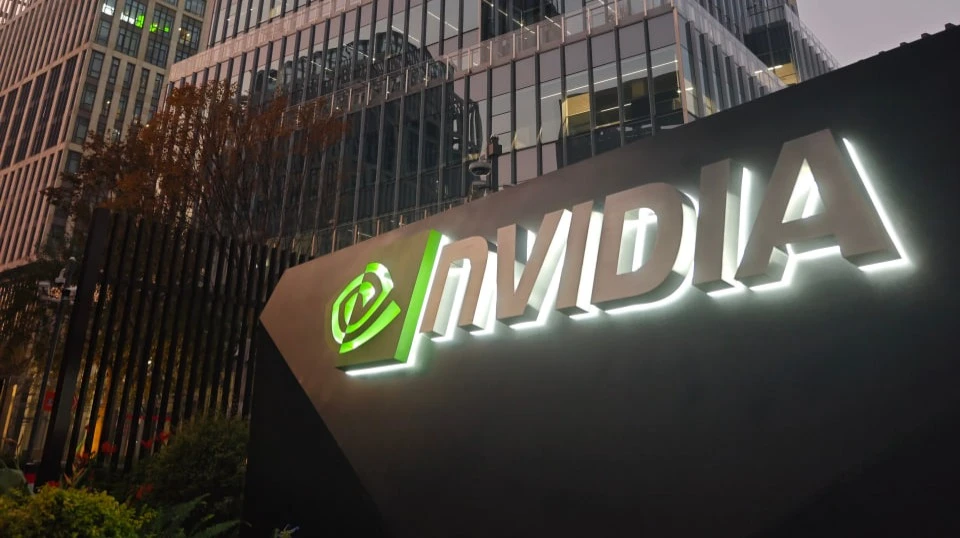
Shares of Nvidia, which found itself at the center of a spying scandal this week and lost its CEO, continued to weigh on the market. On Friday, they fell 2%, and for the week, they were down nearly 13%. It was the company’s worst week since the stock sell-off in April 2025, Bloomberg noted. Nvidia’s market capitalization fell below $4 trillion, losing $570 billion. Since its peak on October 6, total losses have exceeded $1.84 trillion.
The turmoil at Nvidia boosted its competitors: AMD’s stock jumped 32% over the week, while Broadcom’s rose 18%. However, on Friday, chipmakers’ stocks plummeted: AMD fell 8.8%, Broadcom dropped 4.8%, and Intel and Micron each fell 2.5%. The Philadelphia Semiconductor Index lost 3.4%.
Analysts are optimistic about the market
Barclays’ trading division has adopted a tactically optimistic stance on U.S. stocks for the first time since mid-March, according to Bloomberg. According to the bank’s assessment, a sharp reduction in investor positions and easing pressure from market volatility have created favorable conditions for a short-term recovery in the stock market.
Barclays’ Market Timing Indicator (BETI) has signaled a buy for stocks after having largely indicated the need to avoid risk since late May. For the first time since the start of the war with Iran, the model has indicated favorable conditions for investment.
“We are well aware of how challenging the market situation remains. Our assessment pertains solely to a tactical rebound and does not yet signal a fundamental change in our expectations regarding any adverse factors that our team has discussed in recent months and which have led us to remain cautious since late May,” wrote Alex Altman, global head of tactical strategies at Barclays.
Goldman Sachs strategists are also optimistic about the outlook for U.S. stocks and forecast a 14% increase in the broad-market S&P 500 index over the next 12 months. In their view, following the sell-off of shares in the largest technology companies, their valuations have reached historically low levels. “We view the technology sector—and hyperscalers in particular—as a relatively defensive segment of the market,” ” Goldman Sachs strategists wrote in a note cited by Bloomberg. “Yes, the largest companies have faced negative cash flow, but their balance sheet metrics—including the net debt-to-equity ratio—remain healthy.”

This article was AI-translated and verified by a human editor