The SpaceX Acquisition and Allegations of Insider Trading: How Trump's Investments Work
The U.S. president disclosed more than 1,000 transactions for the month of June, some of which raised questions about a potential conflict of interest

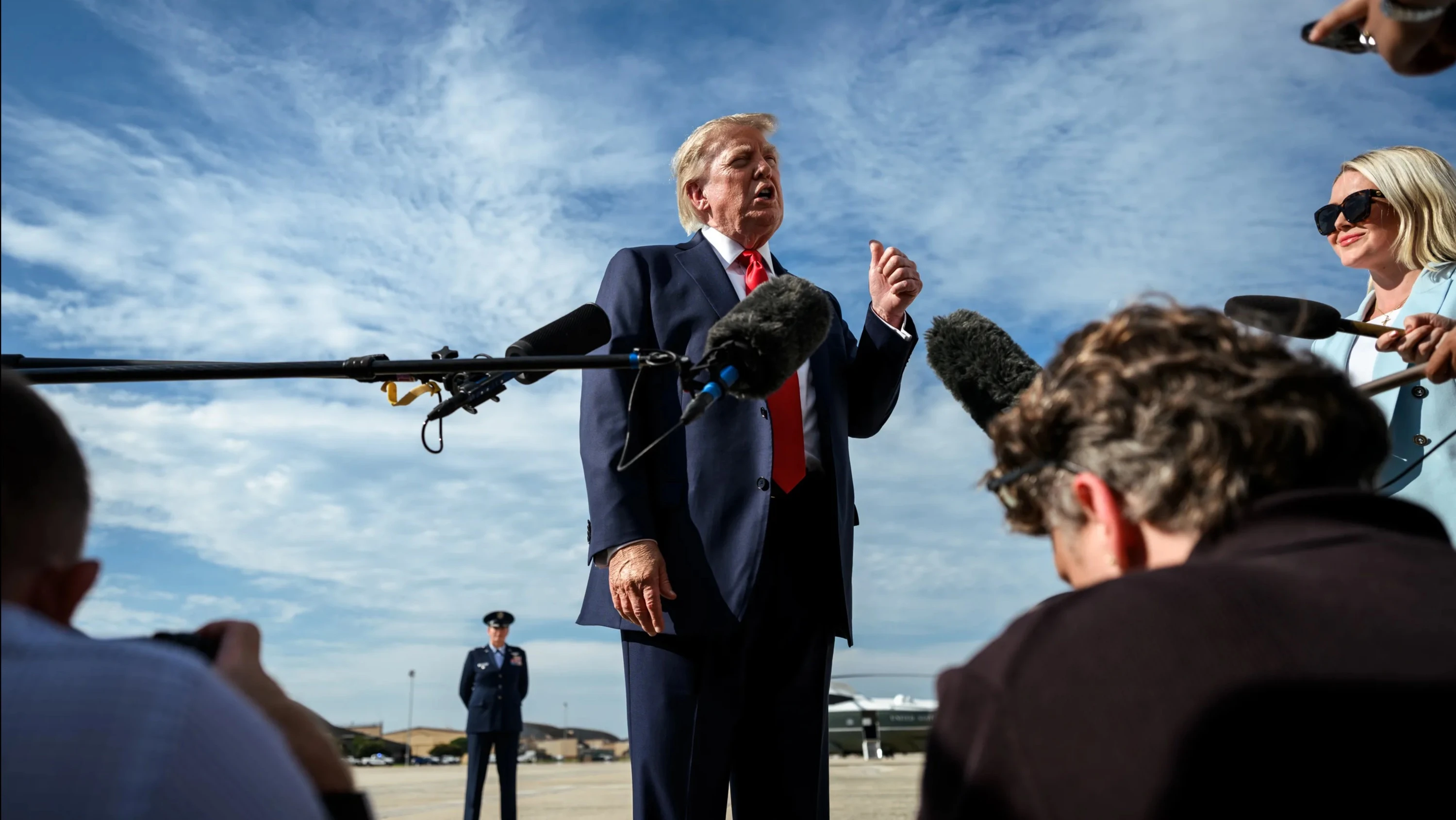
Democratic members of Congress have demanded an explanation from the Trump administration: According to their estimates, at least 30 transactions in the president’s investment portfolio coincided with decisions or public statements made by Trump / Photo: The White House
In June, the managers of U.S. President Donald Trump’s investment accounts executed 1,051 securities transactions—more than 550 purchases and more than 450 sales. Their total value ranged from $78.1 million to $263.1 million. This wide range is due to U.S. financial disclosure rules: the filing does not specify the exact amount of each transaction, but rather one of the ranges established by law.
In June, Trump bought more than $49 million worth of securities and sold at least $28.5 million worth, according to CNBC’s calculations. His largest purchases were in Berkshire Hathaway, Visa, Mastercard, and Home Depot—at least $1 million in each position. The largest sale was a transaction involving shares of the Vanguard Dividend Appreciation Index Fund ETF worth $5 million to $25 million (this fund invests in stocks of large U.S. companies with a history of regularly increasing dividends).
From SpaceX to Meta: Notable Deals in June
Trump bought $15,000 to $50,000 worth of SpaceX stock. The transaction took place on June 23—11 days after Elon Musk’s company went public. This investment is drawing attention because of SpaceX’s close ties to the government, Reuters notes: Elon Musk’s company is a major contractor for the U.S. government, and decisions by federal agencies can directly impact its business, as SpaceX receives government contracts and launch permits. As early as August 20, Trump instructed his administration to increase the number of commercial space launches in the U.S.—a market in which SpaceX holds a leading position.
The report also mentions other major technology and defense contractors for the U.S. government. On June 12, Trump’s portfolio managers purchased $100,000–$250,000 worth of shares in the aerospace and defense corporation RTX and sold $1,000–$15,000 worth of shares in the defense contractor Northrop Grumman. The report also mentions Palantir—one of the major software providers for U.S. government and defense agencies. According to the documents, Trump bought and sold shares of the company several times in June.
Some of Trump’s largest June trades took place the day after the first Federal Reserve meeting chaired by Kevin Warsh. On June 17, the U.S. market fell due to concerns about future monetary policy, but rebounded after Warsh’s press conference. On June 18, Trump’s portfolio managers sold $1 million to $5 million worth of Meta Platforms and Motorola Solutions shares, and bought the same amount of Cintas, Visa, and Mastercard shares.
Algorithms or insider trading?
Because Trump’s assets include companies whose business operations could be affected by the administration’s decisions, his business dealings raise questions about a potential conflict of interest.
But the White House denies that the president influences transactions involving his portfolio. “Neither President Trump nor any member of his family has the ability to direct, influence, or make recommendations regarding how the portfolio is invested or when assets are bought or sold. All investment decisions are made exclusively by independent managers,” White House spokesperson Davis Ingle told the WSJ.
According to Ingla, portfolio managers use computer models to automatically replicate stock indices, including the Schwab 1000. The Trump family switched to automated trading strategies after his return to the White House in 2025.
The White House's explanations failed to convince Democratic lawmakers: Senator Elizabeth Warren and Representative Robert Garcia sent Trump a 17-page letter listing 30 transactions that coincided with decisions by the administration or public statements by the president. They point to the purchase of AMD and Nvidia shares a week before export restrictions on their chips were eased, and the purchase of Axon Enterprise shares two weeks before U.S. Immigration and Customs Enforcement announced plans to purchase stun guns worth up to $220 million.
Warren and Garcia demanded that the company identify the managers of the investment accounts, explain how they were selected and how the automated strategies work, and disclose whether the president was involved in specific transactions. They requested a response by August 28.
What Else Did Trump Buy and Sell in June?
The largest sale in June was a transaction involving shares of the Vanguard Dividend Appreciation Index Fund ETF worth $5–25 million, followed by shares of Meta Platforms and Motorola Solutions worth $1 million–$5 million each. Shares of Netflix, Fiserv, McDonald’s, and Roper Technologies were sold for $500,000–$1 million each.
Among the largest purchases were shares of Home Depot, the fintech company Fidelity National Information Services, and Berkshire Hathaway Class B shares—ranging from $1 million to $5 million per position. Trump’s account managers also invested an additional $500,000 to $1 million each in Chevron, Abbott Laboratories, and Accenture.
Trump increased and reduced his positions in a number of stocks several times in June. These included Berkshire Hathaway, Tesla, Nvidia, Meta, Broadcom, Palantir, Coinbase, and Northrop Grumman. For example, in June, there were both purchases and sales of Berkshire shares, with transaction sizes varying by an order of magnitude—from $50,000 to $100,000 to $1 million to $5 million.
In June, funds were actively reallocated in Trump’s accounts through ETFs as well. Purchases included funds investing in U.S. Treasury bonds, the technology sector, and commodity assets, while sales included funds investing in short-term bonds, the consumer sector, and the European market. The report also shows a significant number of municipal bonds: Trump’s account managers purchased securities issued by states, cities, counties, universities, and healthcare institutions. Individual transactions ranged from $1 million to $5 million.
This article was AI-translated and verified by a human editor