The U.S. and Iran continued to exchange blows despite the agreement
The exchange of fire, now in its third day, risks slowing progress in negotiations over shipping in the Strait of Hormuz

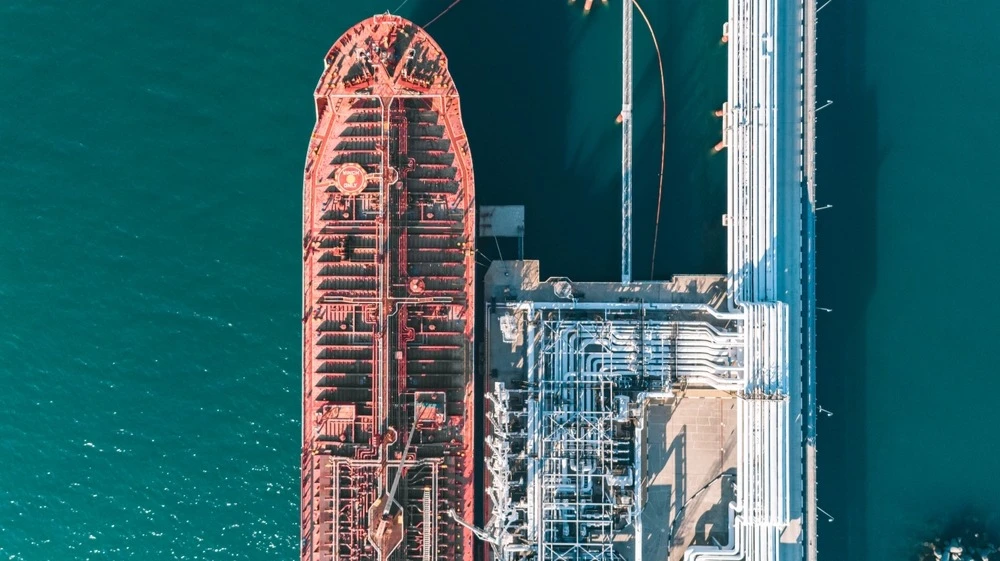
A new round of escalation began after an Iranian drone attacked a container ship in the Strait of Hormuz on June 25 / Photo: somkanae sawatdinak / Shutterstock.com
The U.S. and Iran continued to exchange military strikes this weekend, accusing each other of violating a temporary agreement aimed at ending the war, according to Reuters.
Early Sunday morning, Iran launched missiles and drones at U.S. military facilities in Kuwait and Bahrain. Iran’s Islamic Revolutionary Guard Corps called this a response to recent U.S. strikes.
Prior to that, on Saturday, the U.S. military struck several targets in Iran, including air defense facilities, intelligence infrastructure, communications systems, drone depots, and mine-laying equipment, according to U.S. Central Command.
A new round of escalation began after an Iranian drone attacked a container ship in the Strait of Hormuz on June 25. The following day, the U.S. military struck missile depots and radar installations in Iran. On Saturday, another attack occurred in the Strait of Hormuz—this time on a tanker carrying Qatari oil. Iran also announced on Saturday that it had struck U.S. targets in the Persian Gulf.
“There may come a time when we can no longer be reasonable and will be forced to complete the work we have begun by military means,” U.S. President Donald Trump wrote on the social media platform Truth Social late Saturday night. “If that happens, the Islamic Republic of Iran will cease to exist.”
Context
The exchange of blows between the two sides, now in its third day, risks slowing progress in negotiations on peace and the restoration of shipping in the Strait of Hormuz, the world’s most critical energy transport route, according to Bloomberg. Talks between Iran and the U.S. are set to resume on Monday.
This article was AI-translated and verified by a human editor