From Mine to Crypto Wallet: Do Investors Need Gold, Copper, and Uranium on the Blockchain?
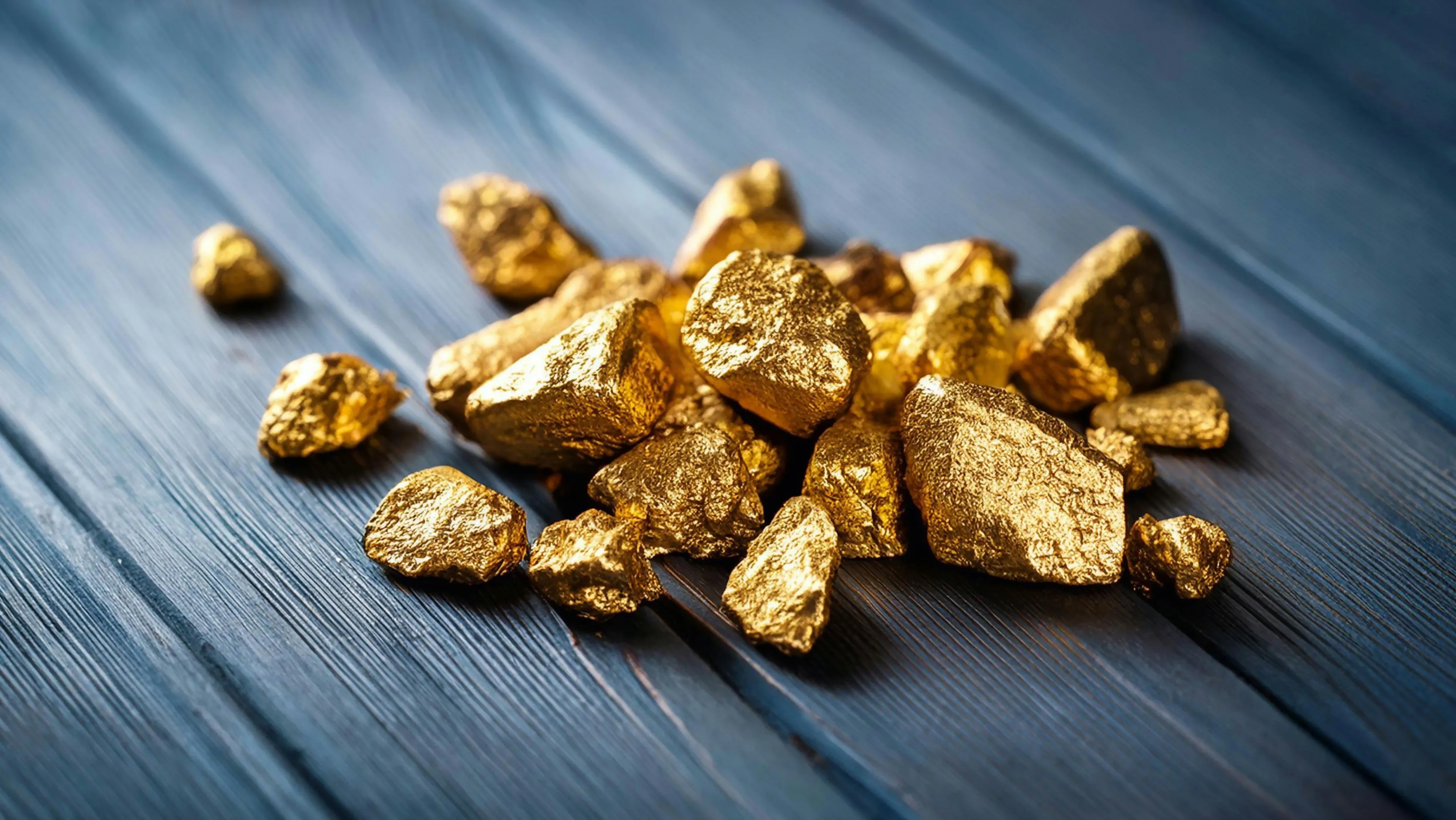
Companies have begun issuing tokens backed by gold and other metals to attract new investors. Photo: suradeach saetang / Unsplash
The sharp rise in prices for precious and industrial metals in recent years has coincided with the development of crypto technologies, and these two worlds—real and virtual assets—have begun to converge. Companies are developing crypto tokens pegged to metals—including gold, copper, and uranium—to attract investors to the physical assets market through digital technologies.
These projects are positioned as a way to give retail investors easier access to the physical metals market, as a gateway to the metals sector for cryptocurrency enthusiasts seeking to diversify their investments with “real-world” assets, and as a new way to finance mining projects, according to the Financial Times.
Digitization of the Real World
Owning a physical asset involves costs. Precious metal bars or coins, for example, need to be stored and possibly insured; even the slightest damage can lead to a drop in their buyback price, and different countries may have tax requirements, such as paying VAT on the sale.
To avoid these problems, investors can invest in gold and silver through exchange-traded funds. Banks, in turn, offer unregistered metal accounts. The most risk-tolerant investors can trade futures, though this instrument is not for everyone, as it involves high leverage.
However, none of these financial instruments allow investors to own the underlying commodity itself, which is highly valued, for example, in the case of gold. The industrial metals markets are designed exclusively for professional participants.
The tokens, meanwhile, provide that the investor will receive digital rights to the metal, including the right to its physical delivery.
A number of companies are developing tokens backed by gold and other metals, including cobalt and nickel (which are important for battery production), copper, and even uranium.
For example, the Metals.io trading platform has issued tokens for uranium, nickel, and cobalt. “They give investors direct access to commodity markets without the costs and complexities associated with futures,” Ben Elvidge, director of alternative assets at Trilitech—the company that developed Metals.io—told the FT. Holders can exchange the tokens for physical metal, provided they have the necessary permits. However, no one has yet placed an order for uranium, the trade of which is strictly regulated.
According to Elvij, the main demand for the tokens comes from “crypto-focused capital seeking to diversify into real assets with growth potential,” as well as institutional investors.
Trading volumes, however, remain low: the total volume on Metals.io since December 2024 has been just $24 million, and the number of token holders is about 9,000.
The World Gold Council (WGC), which represents gold producers, is working on the digitization of gold. This will expand the number of market participants and, in particular, allow the metal to be used as collateral for loans, which will generate returns (in addition to potential price appreciation), explained WGC CEO David Tate. The Council had planned to launch its system in the first quarter of 2026, but the launch has now been postponed to the third quarter.
The emergence of digital gold will mean that ownership “will no longer be limited by the size of bars, the location of storage facilities, or fragmented settlement mechanisms,” the WGC noted.
Regulators are also trying to keep pace: in particular, the UK’s Financial Conduct Authority (FCA) is developing regulations for the tokenization of gold to support London’s development as a global hub for bullion trading.
The FCA is in talks with industry representatives, including major banks, about ways to regulate tokenized gold, people familiar with the regulator’s plans told the FT. The process involves creating tokens that represent ownership rights to physical gold. The gold bars serving as collateral are held by the issuer of the digital rights.
London currently accounts for about 70% of trading volume in the global gold market and is home to the largest gold reserves, but Shanghai and Hong Kong are challenging its dominance.
If London does not modernize its gold market through tokenization, other trading platforms could take the lead, one of the FT’s sources explained. HSBC launched a tokenized gold product two years ago, but it is available exclusively to retail customers in Hong Kong. Since then, customers have executed more than 276,000 transactions totaling over $2.2 billion.
Attractive Markets
Crypto enthusiasts would hardly have turned to the metals markets if those markets hadn't delivered decent returns in recent years and didn't offer long-term prospects.
Before reaching its historic high in January, the price of gold had nearly tripled over the course of two years. A correction then followed, and the price entered a sideways trend, but interest in gold remains strong due to declining confidence in fiat currencies, rising debt levels, and central banks’ purchases of the metal to diversify their reserves.
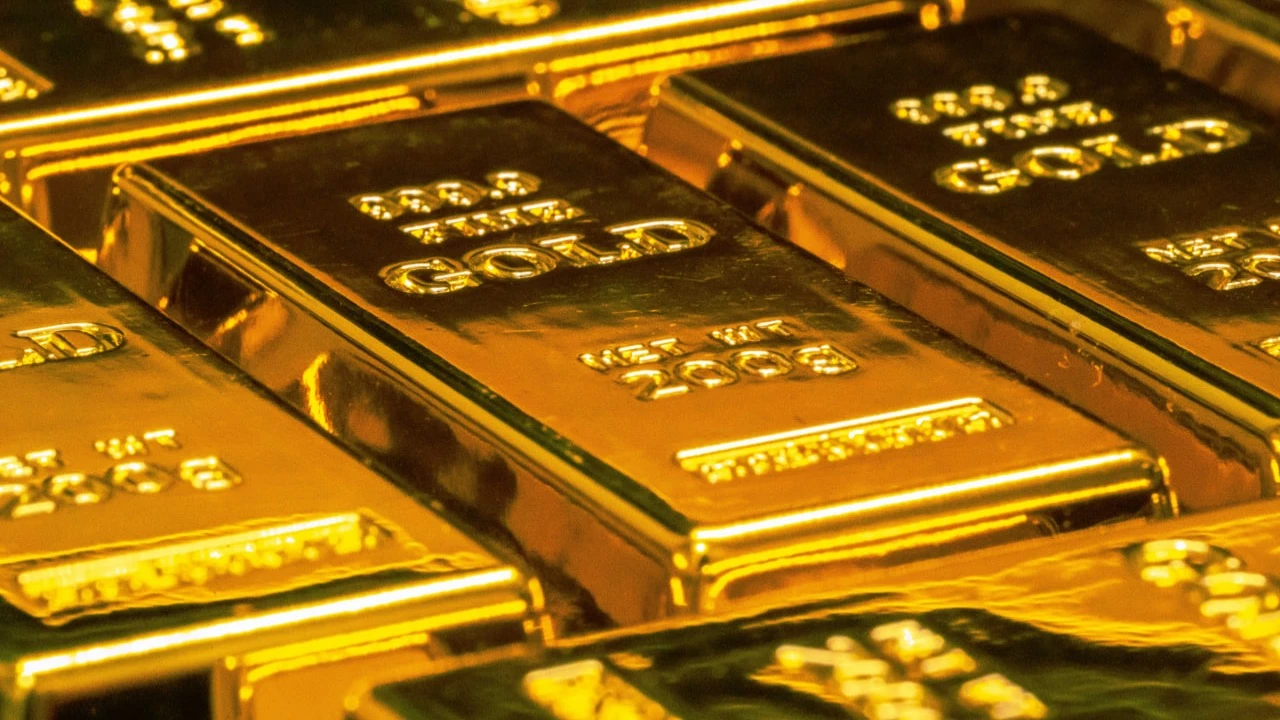
Since the beginning of 2025, the price of copper has more than tripled due to the electrification of the global economy, which is simultaneously transitioning to clean energy sources and striving to build a massive infrastructure for cloud computing, required for the computer industry and artificial intelligence.
Interest in uranium is being fueled by the green transition, which is only expected to accelerate following the crisis triggered by the war in the Middle East. Nuclear power plants do not emit greenhouse gases and are capable of providing a steady supply of energy during periods when solar and wind power generation declines.

However, the question of whether investors will be interested in digital versions of these products—even if they come with the right to receive them in physical form—remains open.
Tether, the issuer of the world’s largest stablecoin of the same name, has also launched Tether Gold, a gold-backed crypto token. A similar token, Pax Gold, was issued by the blockchain company Paxos. In both cases, the token is equivalent to 1 troy ounce of gold bullion, and holders can exchange it for physical gold. Although Tether Gold and Pax Gold are the two largest gold-backed tokens, their market capitalization is only about $2.7 billion and $1.9 billion, respectively.
By way of comparison: the value of assets in gold-backed exchange-traded funds (more than 4,000 metric tons) totaled $530 billion in July.
“Someone who invests in gold is most likely a traditional investor who will turn directly to the instruments they are familiar with,” says Caitlin Barnett, Director of Regulation and Compliance at Chainalysis.
She also points out that the tokens being offered are traded in various places—ranging from different cryptocurrency exchanges to proprietary trading platforms and even apps.
Take Blue Gold, for example, a company that issued thousands of tokens to raise funds for the development of a gold deposit and promises, in return, to deliver gold “from the mine to your [crypto] wallet.”
Operational interoperability needs to be developed, Barnett believes, adding: “Ultimately, I think everything will move to the blockchain, since all information can be recorded there.”
This article was AI-translated and verified by a human editor