Traders braced for further gains in the dollar ahead of Fed Chair Warsh's remarks
The U.S. dollar recouped last week's losses, which were caused by a rally in Treasury yields

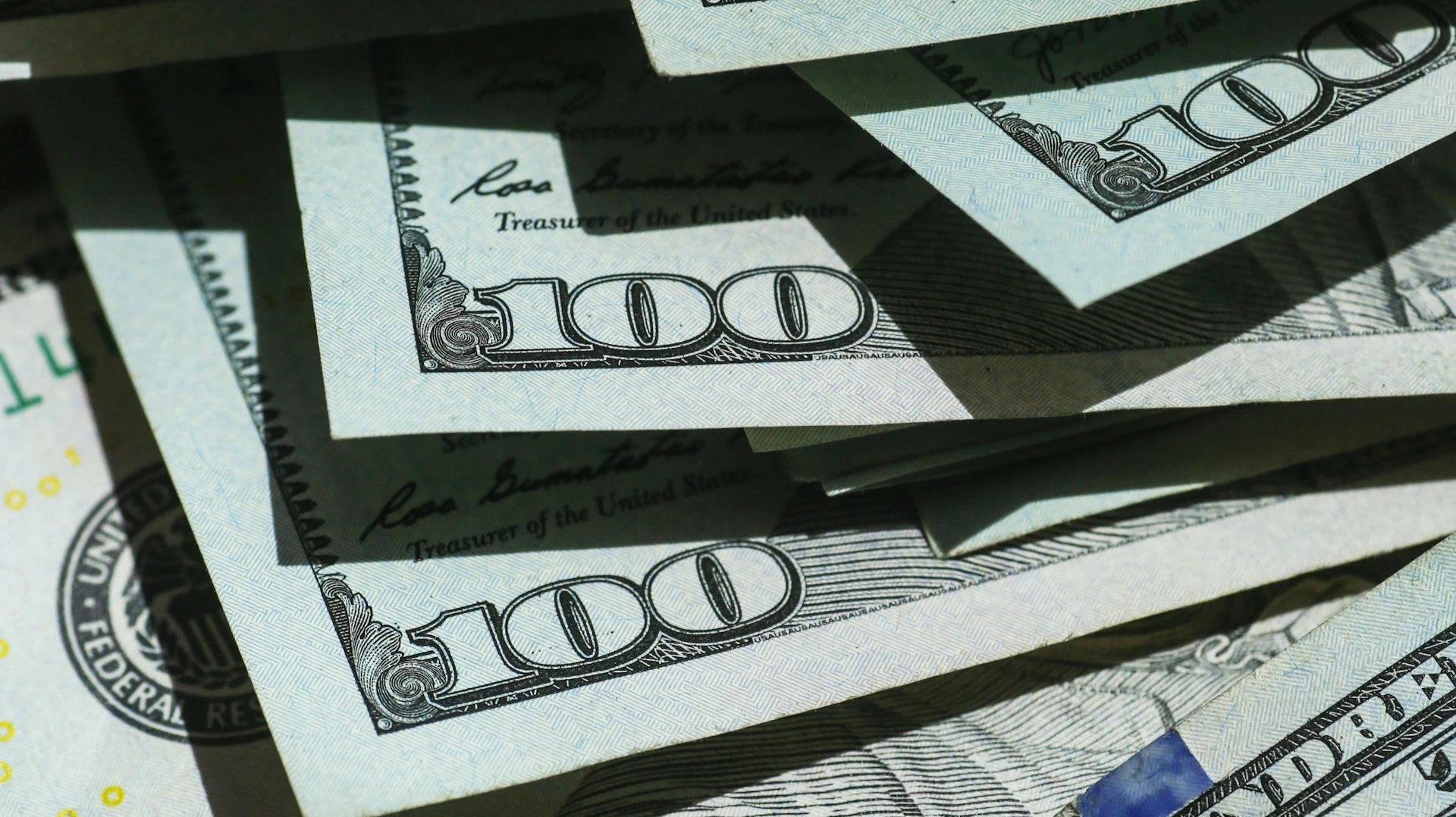
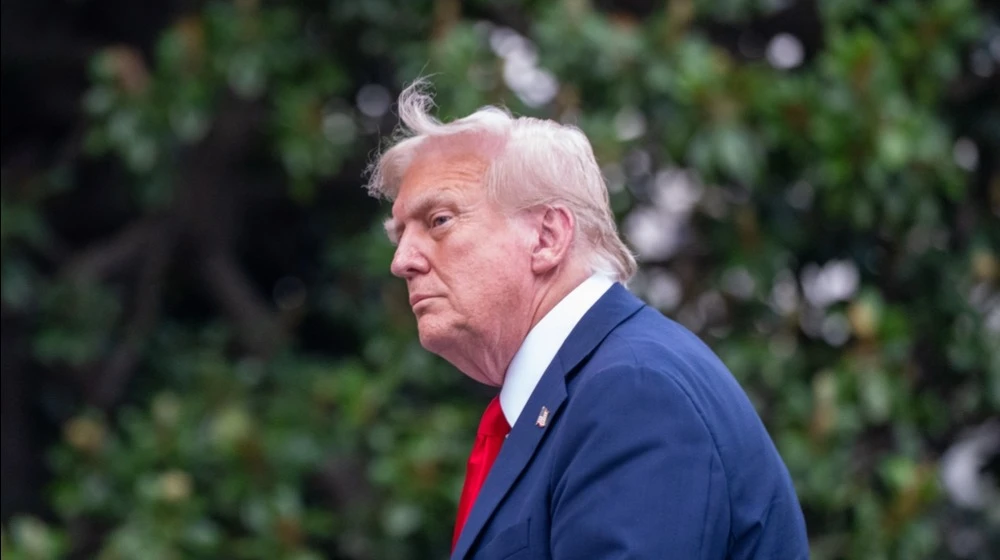
According to market participants, the dollar may continue to rise following a speech by Fed Chair Kevin Warsh / Photo: Unsplash.com / Giorgio Trovato
Currency traders are bracing for a further strengthening of the dollar ahead of Federal Reserve Chair Kevin Warsh’s speech on August 28. The market is bracing for possible “hawkish” signals that could support the U.S. currency following its recent decline, according to Bloomberg.
Details
More than half of the dollar-denominated options trades executed this week will pay out if the dollar strengthens against a basket of major global currencies, according to CME Group data cited by Bloomberg. This week, the figure reached 57.2%, compared with 43.2% last week, the agency reported. At the same time, risk reversals—an indicator of positioning in the options market and investor sentiment—became less “bearish”: the skew in put-call ratios narrowed by about half, it writes.
Investors are hedging their positions in case Warsh takes a tougher stance at the August 28 meeting or reiterates that the Fed should focus on monetary policy and not interfere in fiscal matters, according to Bloomberg.
"This is a potentially pivotal event for the foreign exchange market, and markets may be reluctant to build up excessive short positions in the dollar," Bloomberg quotes ING currency strategist Francesco Pesole as saying.
However, Spectra Markets analyst Brent Donnelly believes that Warsh’s remarks may not have a significant impact on the markets. In his view, recent U.S. economic data precludes a more hawkish tone from the Fed chair, and a shift to a more dovish stance would seem out of place given the Treasury’s efforts to keep long-term bond yields in check. The likelihood that Warsh will not provide any direction to the markets helps explain the relatively low cost of hedging against fluctuations in the euro/dollar pair: volatility, at 4.69%, remains well below the average since the beginning of the year, Bloomberg noted.
What's happening with the dollar right now?
This week, the U.S. dollar recouped about half of the losses it suffered last week following the U.S. Treasury Department’s decision to support the Treasury market: it decided to double the size of its quarterly purchases of long-term bonds.
“I’m surprised the dollar hasn’t strengthened more. To be honest, the foreign exchange market is in a bit of a trance,” said Eric Bregard, director of risk management for foreign exchange and precious metals at Silver Gold Bull, as quoted by Reuters.
The U.S. economy, which is outperforming those of other countries, also remains an important factor supporting the dollar, according to Elias Haddad, head of global market strategy at Brown Brothers Harriman. In his view, U.S. interest rates will remain unchanged through the end of the year—contrary to market expectations. “I don’t expect the dollar to reach new highs, as the risk of a shift in expectations toward a more dovish Fed policy and a lack of confidence in U.S. fiscal policy are two major obstacles,” Haddad said.
Traders are currently pricing in virtually no chance of a U.S. interest rate change in September, but they estimate a 74% probability that the Federal Reserve will raise rates by at least 25 basis points by December, according to Reuters. One contributing factor remains persistently high oil prices amid tensions in the Middle East. At the same time, the absence of rate hikes this year could limit the dollar’s appreciation.
This article was AI-translated and verified by a human editor