Trump canceled planned new strikes on Iran. Oil below $90 per barrel
The parties have made progress in discussing a peace deal


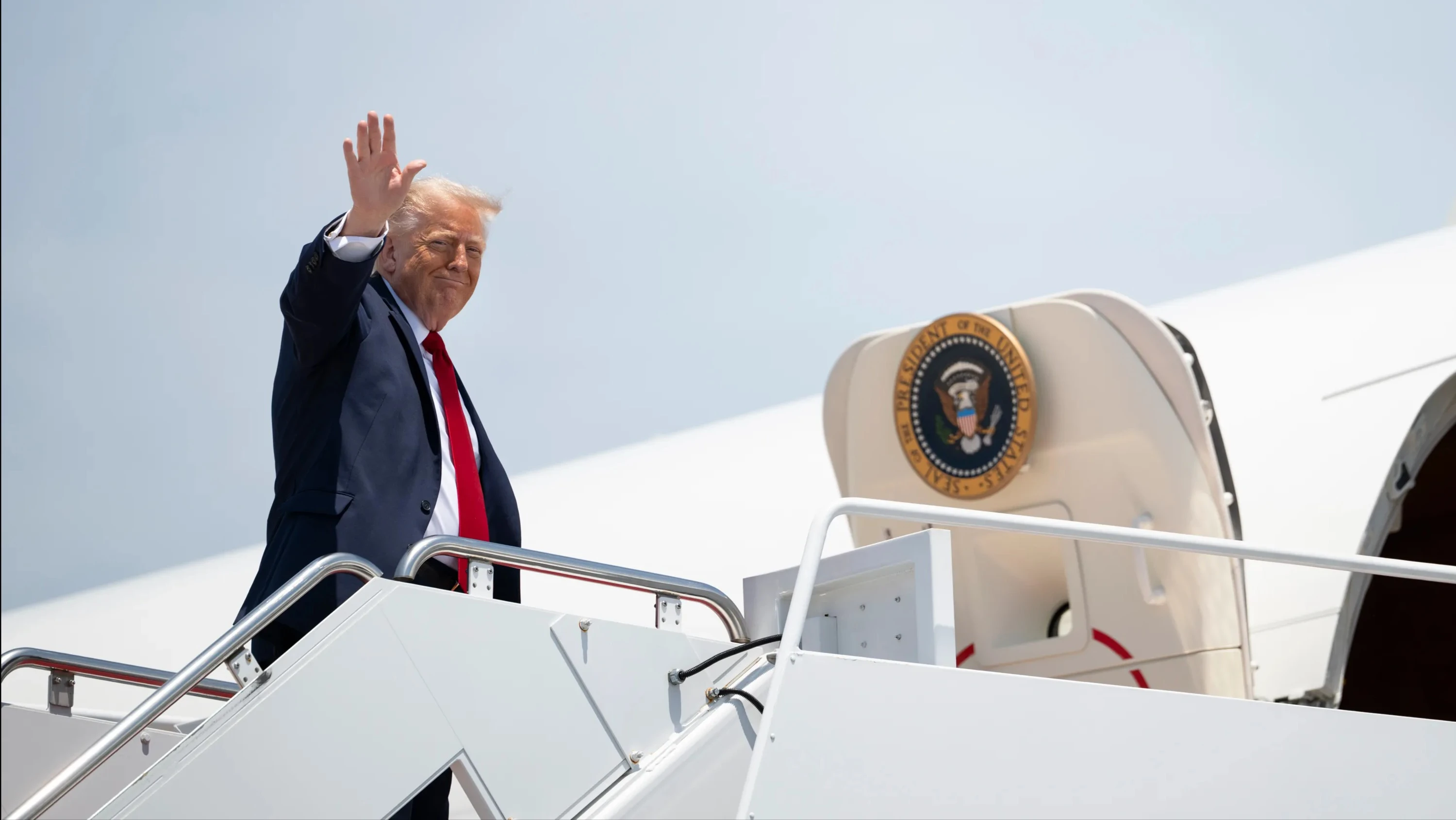
Donald Trump says progress in talks with Iran / Photo: The White House
U.S. President Donald Trump said on the social media network Truth Social that he has canceled new strikes on Iran planned for the evening of June 11. He attributed this to progress in negotiations with Tehran, which Trump said had reached the highest levels of Iranian leadership.
U.S. President Donald Trump said on the social media network Truth Social that he has canceled new strikes on Iran planned for the evening of June 11. He attributed this to progress in negotiations with Tehran, which Trump said had reached the highest levels of Iranian leadership.
As Trump writes, the "discussions and outcome points" were agreed upon "conceptually and in detail by all parties involved," including the U.S. and Israel, also involved in the war against Iran, as well as Saudi Arabia, the UAE, Qatar, Turkey, Pakistan, Bahrain, Kuwait, Jordan, Egypt and others.
"The time and place of the [peace agreement] signing will be announced soon," Trump added.
The U.S. naval blockade of the Strait of Hormuz will remain in full force until the peace deal is finalized, Trump said. Iran is also blocking shipping in the strait from its side, and opening this crucial sea route for the world's oil supply is key for markets.
How the markets reacted
The cost of Brent crude oil accelerated its decline after Trump's publication. At the time of publication of this text, August futures cheapened by about 3.5% and cost less than $90 per barrel. Quotes of U.S. oil WTI were falling by 3.7% - to $86.7 per barrel.
All four major U.S. stock indices rose strongly after Trump's announcement. The Russell 2000 index of small and medium capitalization companies rose the most - by 2.3%. "Technological" Nasdaq Composite added 1.8%, the broad market index S&P 500 grew by 1.4%, and the index of "blue chips" Dow Jones Industrial Average - by 1.7%.
Context
Trump's statement represents a sharp reversal of his stance just hours after he promised Iran a "very hard hit tonight," adding that he was saying that the U.S. intends to take control of Kharq Island, home to Iran's main oil export terminal, as well as other oil and gas infrastructure in the country in the future.
Almost simultaneously, Iran threatened to add Elon Musk's Starlink satellite internet ground stations in Israel, Qatar, Jordan, the UAE and Oman, as well as infrastructure from Alfa Dhabi and Mubadala, to the list of targets, Iran's state-run Fars news agency wrote Thursday.
Tensions in the Middle East escalated Tuesday evening after the U.S. military launched strikes against Iran in response to Monday's destruction of a U.S. Army Apache helicopter over the Strait of Hormuz. Trump sharply toughened his rhetoric on Wednesday, saying Iran has been negotiating "too long" and will "pay" for it. On the same day, the US military's Central Command reported new strikes on Iranian targets, calling them defensive in response to "unjustified and ongoing Iranian aggression."
Iran's Foreign Ministry said the Strait of Hormuz is not international waters, but the space of Iran and Oman, and that it is better for foreign forces to leave the region to reduce risks.
This article was AI-translated and verified by a human editor