Nvidia and Palantir Urged the U.S. Not to Restrict "Open" AI Models Following China's Breakthrough

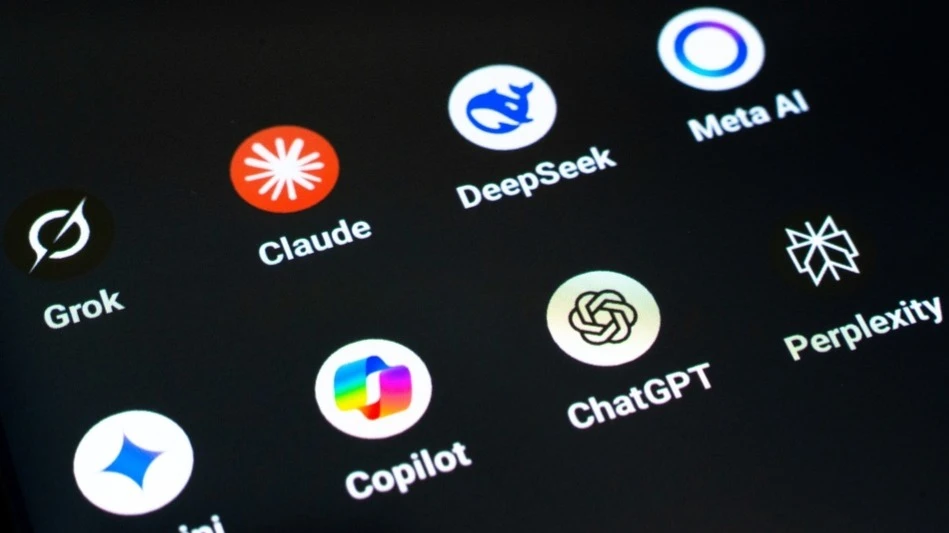
Representatives from 20 U.S. companies have spoken out against potential restrictions on AI / Photo: Shutterstock.com / PJ McDonnell
More than 20 U.S. technology companies have called on U.S. authorities to refrain from imposing “premature restrictions” on open-source artificial intelligence models, warning that such measures could weaken competition and lead to innovation shifting overseas. The open letter was published on Friday, as reported by CNBC. Among the signatories are Nvidia, Microsoft, Meta, and Palantir—though leading AI labs OpenAI and Anthropic did not join the initiative.
The call from major tech companies came after U.S. Treasury Secretary Scott Bessent, on July 21, raised the possibility of imposing restrictions on Chinese open-source AI models of a certain size. At the same time, the U.S. official threatened to investigate them for “intellectual property theft” from American AI developers.
Details
Open AI models—which can be downloaded, modified, and run on one’s own infrastructure—promote competition and ensure wider adoption of AI technologies, the authors of the open letter stated on social media. “Relying exclusively on closed models does not automatically improve security: they can also be hacked, used maliciously, or contain errors that cannot be detected from the outside,” the letter states. “Concentrating cutting-edge AI capabilities in a small number of closed models only exacerbates this risk,” the authors emphasized.
According to the authors of the letter, instances of some AI models unlawfully using others for training should be addressed through “targeted legal and commercial mechanisms,” rather than by imposing broad restrictions on technologies that play an important role in the development of artificial intelligence.
The letter was shared on their X accounts by Nvidia CEO Jensen Huang and Microsoft CEO Satya Nadella, among others. SpaceX and Tesla CEO Elon Musk also endorsed the message. On X, he wrote that such ideas have his “full support”: “Jensen Huang is right,” the businessman emphasized, reposting the Nvidia CEO’s post, although his company SpaceX did not officially sign the document, CNBC notes. The TV network also noted that the leading AI labs OpenAI and Anthropic were not among the signatories of the letter.
Context
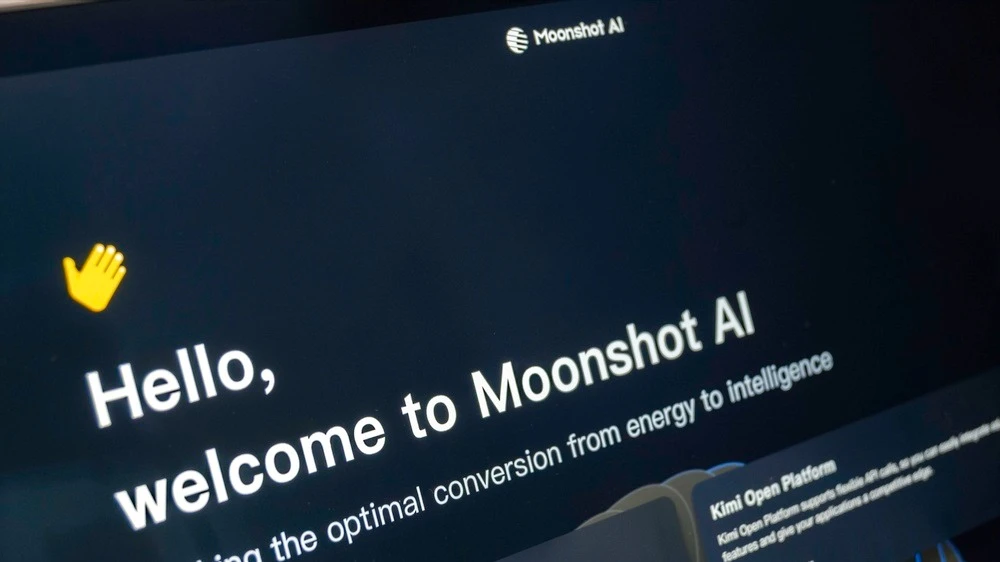
The catalyst for this discussion was the Kimi K3 open-source AI model, unveiled earlier in July by the Chinese startup Moonshot AI. According to according to its creators, outperformed a number of American AI models in certain industry benchmarks and was second only in performance to leading American proprietary models, such as Anthropic’s Fable 5 and OpenAI’s GPT-5.6 Sol.
However, the U.S. administration believes that the successes of Chinese developers may be linked to the unauthorized use of technology from American companies. For example, White House adviser Michael Kratsios stated on July 22 that Moonshot AI created its model using technology distilled from Anthropic. Distillation is a machine learning method in which a larger and more complex AI model transfers knowledge to a less powerful one, allowing the latter to replicate some of its capabilities. While distillation itself is an important tool for developing an open AI ecosystem, using this method to covertly copy American innovations is “unacceptable,” Kratsios said.
The U.S. government will investigate whether Chinese companies used American intellectual property in the development of their models, U.S. Treasury Secretary Scott Bessent said on July 21. In an interview with CNBC, he also noted that if the theft of technology is confirmed, U.S. authorities may impose sanctions on Chinese AI products.
The joint letter was published a few days after the Chinese AI model GLM 5.2 helped the Hugging Face platform investigate an unprecedented cyberattack that OpenAI’s AI had carried out on its own during internal testing.
Because many Chinese neural networks are open-source and are generally cheaper to operate than their Western counterparts, AI models from China have become widely adopted around the world. The open-source nature of Chinese models could also pose challenges for American AI labs, such as Anthropic and OpenAI, whose expensive, cutting-edge neural networks remain proprietary, the Financial Times noted following the release of Kimi K3.

This article was AI-translated and verified by a human editor