Chevron Discussed with the U.S. How to Protect Its Interests in Kazakhstan from the Effects of the War — WSJ
Following a meeting with U.S. oil executives, the Trump administration warned Ukraine against attacking ships in the Black Sea that are not affiliated with Russia, according to WSJ sources

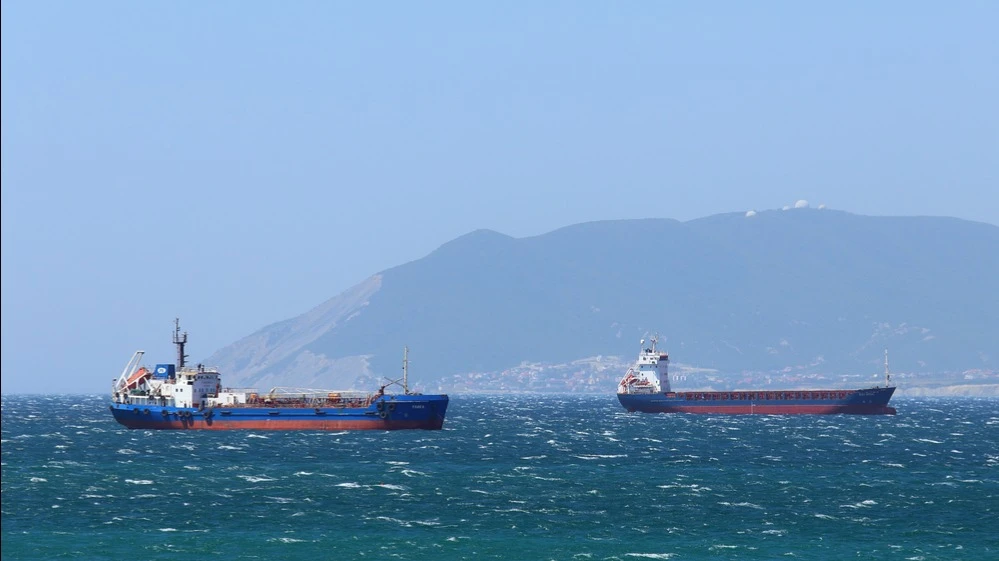
If attacks on tankers in the Black Sea continue, Chevron will almost certainly have to cut production at the Tengiz field in Kazakhstan, according to the WSJ / Photo: Grigorii Pisotsckii / Shutterstock.com
U.S. oil giant Chevron discussed with the White House the consequences of the recent attacks on tankers in the Black Sea, which prevented Kazakhstan from shipping oil to its main export terminal, The Wall Street Journal reported, citing sources. According to them, the Donald Trump administration subsequently asked Ukraine to curb the attacks in the Black Sea.
Details
Chevron CEO Mike Worth and other industry executives met with high-ranking U.S. officials this week, sources told the WSJ. The purpose of the meeting was to discuss oil markets and the situation in the Black Sea and to try to protect their interests in the region, the publication reports.
The talks were prompted by attacks by Ukrainian drones on tankers—including one chartered by Chevron—in the Black Sea near the Russian port of Novorossiysk. This port serves as the terminus of the Caspian Pipeline Consortium (CPC)—a pipeline that transports oil from the largest fields in Western Kazakhstan. Following the attacks, oil shipments at the CPC terminal were restricted. As a result, Kazakhstan was forced to cut production due to a shortage of storage tanks.
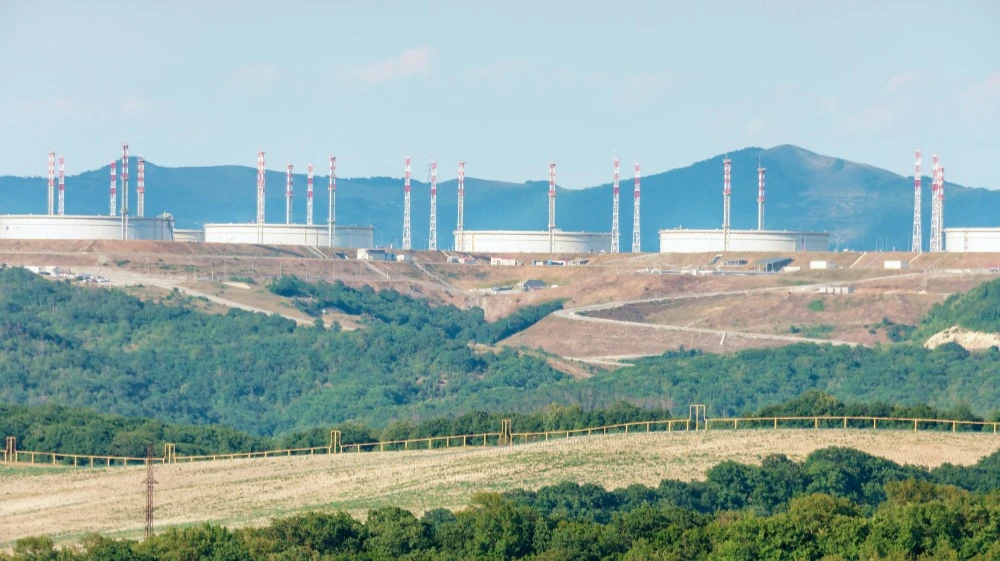
Following a meeting with oil industry representatives, the Trump administration warned Ukraine that attacks on non-Russian vessels in the Black Sea were unacceptable, an unnamed official told the WSJ.
“The administration views the CPC as a vital channel for supplying Kazakhstani energy resources to European markets, providing an alternative to Russian energy resources,” he said. Approximately 1.4 million barrels of oil flow through the CPC pipeline daily, a significant portion of which is destined for European markets, particularly Spain.
A Chevron spokesperson stated that the company regularly interacts with government agencies as part of its normal business practices and neither confirms nor comments on these discussions.
Context
Chevron has significant stakes in the region, the WSJ notes. The company owns a 15% stake in the CPC. Even more important is its 50% stake in the Tengiz field—the most productive of Kazakhstan’s three major fields, from which oil flows through the CPC pipeline. Tengiz accounts for about 12% of Chevron’s total global production.
The company invested approximately $48 billion in the Tengiz expansion, after which the project’s production capacity reached about 1 million barrels per day. Chevron’s forecast projected that, with oil priced at $70 per barrel, Tengiz would generate $6 billion in free cash flow for the company this year. However, Brent crude has traded significantly above that level this year.
If attacks on tankers in the Black Sea that are hindering exports continue, Chevron will almost certainly have to reduce production at Tengiz due to limited oil storage capacity at the port, the WSJ reports, citing analysts. The Tengizchevroil joint venture, which operates the field, said it is monitoring the loading situation at the CPC terminal in Novorossiysk. The company added that “production volumes and oil throughput via the pipeline may be adjusted from time to time depending on operating conditions.”
In addition to Chevron, TengizChevroil’s shareholders include Exxon Mobil (25%), the Kazakh oil company KazMunayGas (20%), and Russia’s Lukoil (5%). Chevron has been operating in Kazakhstan since 1993 and is currently negotiating a contract extension with the country’s government to continue operations at the field beyond 2033.
This article was AI-translated and verified by a human editor