The "Three Seas" Risk Zone, Tesla Hit by Expenses, and "Odyssey" — the Driving Force Behind Movie Theaters
This Week's Highlights on Oninvest

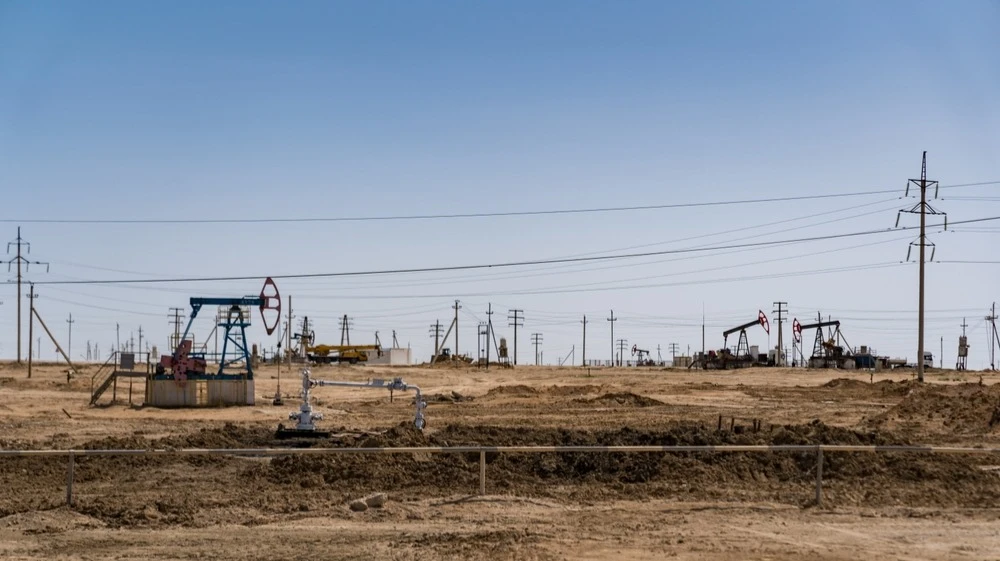
On Wall Street, discussions have resumed about a scenario in which oil prices reach $150 per barrel—a scenario that, until recently, was considered a “black swan” event. Photo: Shutterstock.com
Brent crude has surpassed $100 per barrel for the first time since May. Tehran is once again blocking the Strait of Hormuz; in the Red Sea, the Houthis are attacking Saudi tankers; and in the Black Sea, port infrastructure is suffering. Russia has halted diesel exports, and oil shipments from the U.S., Brazil, Guyana, and Canada are falling—down 18% from their June peak.
The market has taken the signal to heart. On Wall Street, discussions have resumed about a $150-per-barrel scenario, which until recently was considered a “black swan” event. To be clear: $150 is the upper limit of estimates, not the baseline projection. For now, China is holding back a sharper price spike by cutting back on oil imports, and a complete blockade of all three routes at once is unlikely.
For Kazakhstan, whose budget depends on oil exports, rising prices are good news—but not in a week when the CPC, its main export route, is shut down. The longer the disruptions last, the higher global prices may rise, but the less oil the country will be able to sell.
The main risk is the duration of the shutdown. More than 80% of the country’s oil exports pass through the CPC , and alternative routes are fewer and more expensive. Oil companies operating in Kazakhstan have already sharply reduced production: at the largest field, Tengiz—which is developed by Chevron—production has fallen by half.
Mag7 lost $800 billion in a single day
The second story is also about money—but this time, it's about the money companies plan to spend.
Alphabet raised its capital expenditure plan for 2026 to $205 billion. Tesla promised that next year would be a period of record investments. The result: Alphabet down 7%, Tesla down 15%, the “Magnificent Seven” index down 4.8%, and the combined market value of the seven companies down nearly $800 billion in a single trading session. In a single day, Tesla lost more than the market capitalization of any other automaker in the world.
At Tesla’s quarterly earnings presentation, Elon Musk called for investing “as fast as we possibly can.” Andrew Perko, of Morgan Stanley, responded by lowering his price target for Tesla stock and warned that the market’s tolerance for such a rapid pace of spending could quickly run out.
Alphabet got off lightly: Analysts surveyed after the report recommended “buy.”
The difference, it seems, is that Google can see where the returns will come from, while neither Tesla’s Robotaxi nor Optimus are yet providing verifiable figures. However, there has been no capitulation: among analysts tracking Tesla, only one in seven advises selling the stock.
Hair Dryer vs. Customs
While the market debates the size of AI budgets, one of the most telling stories of the week is about how the chips—for which these budgets are being inflated—are circumventing export restrictions. In the Supermicro case, the most telling detail is a mundane one: security camera footage shows employees using a hair dryer to peel off brand labels and repackaging the servers into unmarked boxes.
The scale of this operation is far from trivial. According to the U.S. Department of Justice, a Supermicro co-founder, a sales manager, and a Taiwanese contractor shipped at least $2.5 billion worth of equipment containing Nvidia chips to China. They now face up to 20 years in prison. Supermicro itself distanced itself from the smugglers, but that didn’t save its stock—the day after the Department of Justice’s announcement, its shares plummeted by more than 30% and didn’t recover until May.
Humanoids for Kazakhstan
An analysis of the idea to build a humanoid robot factory in Kazakhstan begins with a headline that leaves nothing to the imagination. The project is being carried out by Almaty-based NERO Group—a manufacturer of digital water meters—and China’s UBTECH, the first humanoid robotics company listed on the Hong Kong Stock Exchange. Its industrial robot, the Walker S, is already in use at automobile plants, but that is not what made the company grow. The industry’s showcase and its economics are still two different things, and the factory itself does not generate demand for its products.
What else were we keeping an eye on?
Eurostablecoins are growing faster than people realize. Their total market capitalization had risen by 128% over the past year as of early July. Let’s take a look at how individual investors can profit from this.
JPMorgan named the global leader in raising earnings forecasts. It's not the U.S.
SpaceX lost more than $1 trillion in market value in a month— the price tag for the most talked-about IPO of the year.
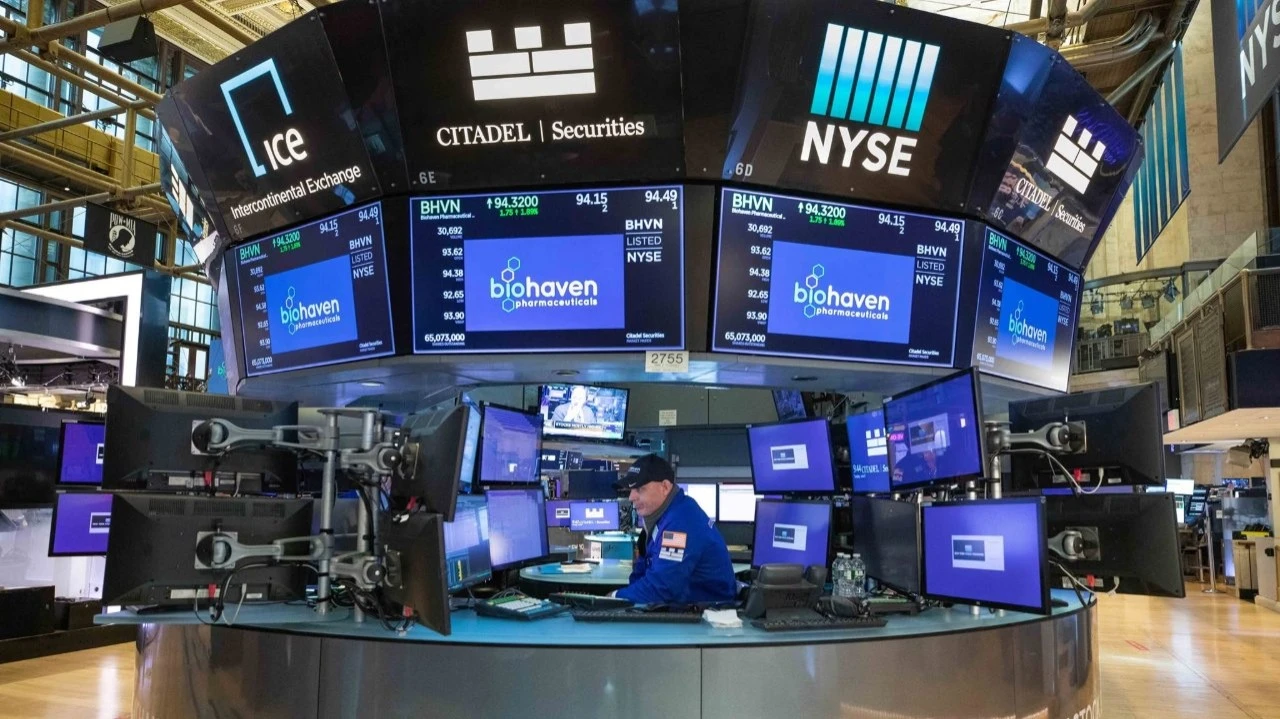
Nasdaq is speeding up delistings: nearly 200 companies valued at less than $5 million risk being delisted from the exchange.
Christopher Nolan's historical blockbuster *Odyseus* grossed $264 million in its opening weekend and fueled growth in theater stock prices.
This article was AI-translated and verified by a human editor