U.S. indices extended their decline: The Nasdaq plunged 2.7%, and the fear index rose nearly 20%


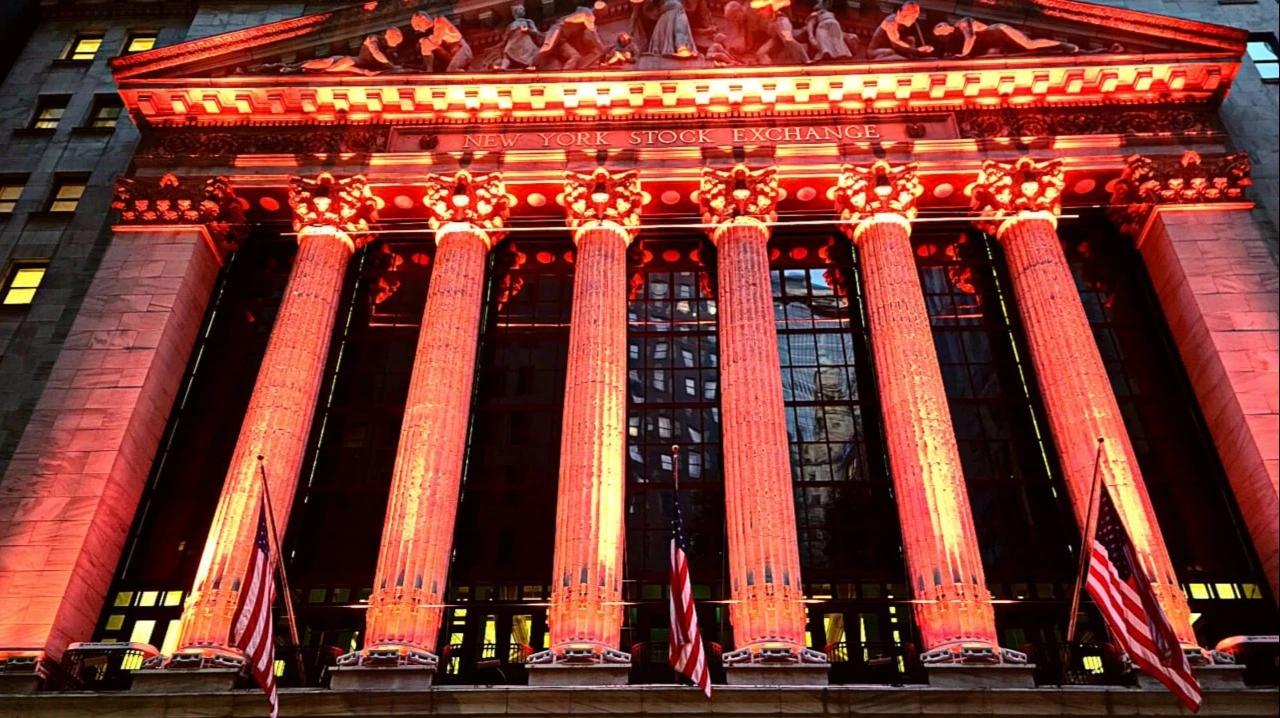
Photo: X / NYSE
U.S. stock indices extended their decline. Two hours after the market opened on July 23, the broad-market S&P 500 index was down 1.5%, while the blue-chip Dow Jones Industrial Average was down about 1%.
The tech-heavy Nasdaq Composite was hit the hardest. It plummeted 2.7% under pressure from sharp declines in the shares of two tech giants—Tesla and Alphabet.
Tesla's stock price plummeted 13.8% following the release of its quarterly results. If this trend continues through the close of trading, the drop will mark the company's worst reaction to earnings reports since 2013, according to MarketWatch.
Alphabet's stock price fell 6.7%—also following the release of its financial report.
Amid the sell-off in Alphabet and Tesla, a popular exchange-traded fund focused on the stocks of the largest technology companies could post its sharpest decline since last April, MarketWatch notes. The Roundhill Magnificent Seven ETF fell 4.5%.
The CBOE Volatility Index, often referred to as Wall Street’s “fear gauge,” rose 19.6% and nearly reached the psychologically significant 20-point mark. Breaking through this level is considered a sign of heightened investor anxiety.
How Tech Giants Scared Off Investors
Alphabet reported strong financial results for the second quarter, but the market was concerned that one of the leaders in the AI race reported negative free cash flow for the first time due to high spending on artificial intelligence development and data center construction. Moreover, the company has no plans to slow down: Alphabet raised its capital expenditure forecast for 2026 from $190 billion to a range of $195 billion to $205 billion.
Tesla's adjusted earnings in the second quarter fell significantly short of Wall Street estimates: they came in at 33 cents per share, compared with a consensus forecast of 51 cents. Net income fell 5% to $1.11 billion, and free cash flow turned negative for the first time in two years. Profitability was negatively impacted by a nearly 1.5-fold increase in spending on AI, research, and development. By the end of the year, Tesla plans to spend more than $25 billion on robotaxis, Optimus robots, and in-house production of AI chips.
Both companies alarmed investors by spending more cash than they earned last quarter due to massive investments in AI infrastructure, according to Reuters. Investors had valued the hyperscalers’ shares at high multiples, counting on significant revenue growth, but now the companies are spending more on investments than they are generating in cash from operations, the agency explains.
The Oil Factor
The rally in oil prices and the subsequent sharp rise in U.S. Treasury yields have heightened fears that the Fed may raise interest rates sooner than expected—perhaps as early as next week, MarketWatch explains. This has put further pressure on stock prices.
According to the CME’s FedWatch tool, the probability of a monetary policy tightening at the next meeting is nearly 38%, and the odds of a rate hike in September are estimated at more than 80%.
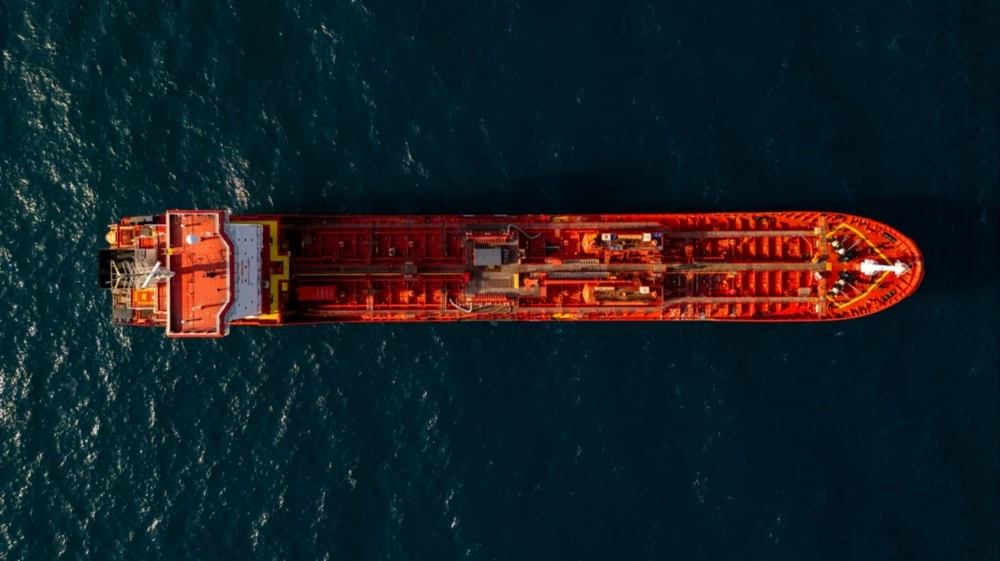
Brent crude oil futures jumped nearly 7% on July 23 and surpassed $100 per barrel for the first time since May. This came after the Tehran-backed Houthis in Yemen claimed to have attacked the Saudi tankers Encelia and Layla in the Red Sea. In doing so, they carried out their threat to strike any vessels traveling to or from Saudi Arabian ports. This escalation could put an end to the use of an important alternative route for oil exports—through the Bab el-Mandeb Strait.
In addition, the Houthi attack has heightened fears that the conflict in the Middle East could escalate, according to CNBC. President Donald Trump warned Iran that if there are any further attacks on Saudi ships, the U.S. will strike both the Houthis and the Islamic Republic. In an interview with Axios, he said he was prepared to ramp up the pressure: “I am considering a massive attack—larger than ever before. I am close to making a decision. We are all set.”
What Analysts Are Saying
“These issues have become too serious to ignore,” Steve Sosnik, chief market strategist at Interactive Brokers, told CNBC, commenting on the market decline. “It’s too hard to ignore oil at $100 a barrel. It’s too hard to ignore a 10-year Treasury yield above 4.7%. And it’s too hard to overlook the fact that the 30-year bond yield is holding steady above 5%.”
— “The risks remain skewed toward tighter monetary policy,” wrote Sima Sha, chief global strategist at Principal Asset Management, as quoted by Bloomberg. — “The combination of sustained economic strength, a new round of accelerating core inflation, and signs that inflation expectations are beginning to spiral out of control significantly increases the likelihood of interest rate hikes.”
“The market is starting to grow weary of the risk that companies might spend more on developing artificial intelligence infrastructure than they can cover with free cash flow,” said Matt Miskin, co-director of investment strategy at Manulife John Hancock Investments, in an interview with MarketWatch. According to him, at the same time, investors fear that a slowdown in large-scale AI spending could weaken corporate earnings growth on a broader scale.
This article was AI-translated and verified by a human editor