The Houthis Want to Block the “Second Strait of Hormuz”: Three Questions About the New Threat to Oil Prices

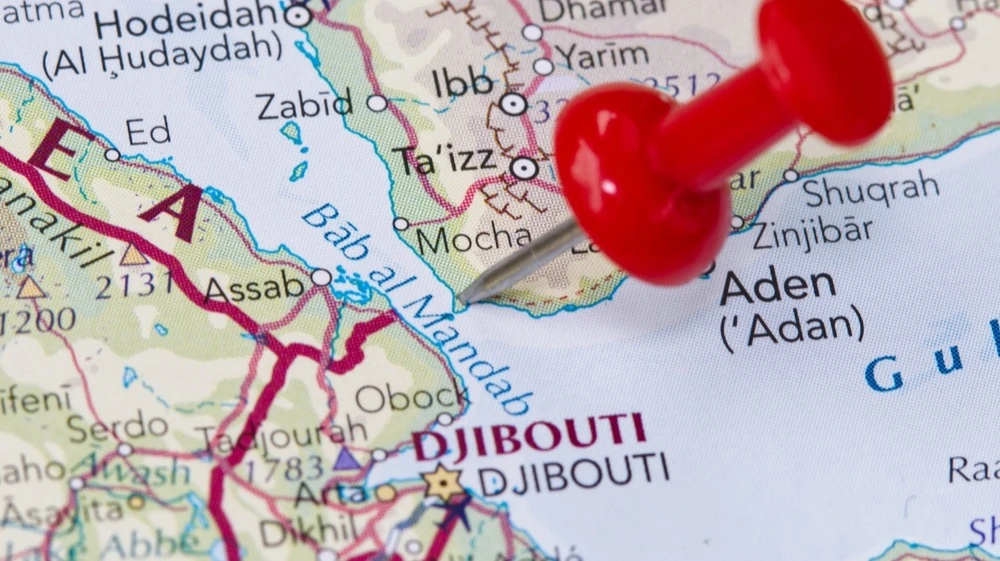
The Houthis have announced a blockade of ships from Saudi Arabia in the Bab el-Mandeb Strait—what does this mean for the oil market? / Photo: Below the Sky / Shutterstock.com
New threats by Yemen’s Houthis to block Saudi tankers from leaving the Red Sea starting July 20 have drawn the market’s attention to the Bab el-Mandeb Strait—another key route for global trade. According to Bloomberg, it was this strait that helped limit the negative impact of the war in the Middle East on global oil supplies this past spring. Saudi Arabia has begun using this route as an alternative to the Strait of Hormuz for oil exports.
How might a potential escalation affect oil prices, and why have the Houthis once again become the focus of attention? We answer three questions about the new threat to shipping in the Middle East.
Who are the Houthis, and why did they get involved in the conflict?
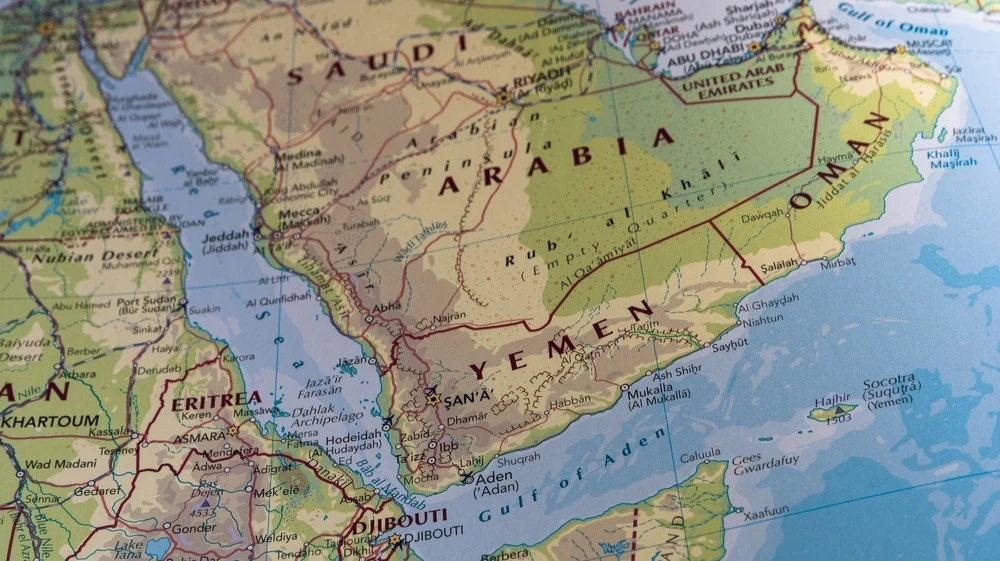
The Houthis are an Iranian-backed Shiite religious-militant group. They control a significant portion of northwestern Yemen, including most of the Red Sea coast. The movement emerged in the 1990s following the unification of North and South Yemen; initially, it waged an armed struggle against Yemen’s central government. In 2014, the Houthis seized the country’s capital, Sana’a, leading to a civil war that continues to this day. Saudi Arabia led an Arab coalition that supported Yemen’s central government in this conflict. However, since 2022, a so-called unofficial ceasefire has been in effect between the parties, which has significantly reduced the intensity of hostilities and subsequently led to a de-escalation of the situation.
The ceasefire has held for the past four years, despite regional escalations, Reuters notes. For example, in late 2023, during the war in the Gaza Strip, the Houthis began carrying out attacks on merchant ships in the Red Sea. Initially, representatives of the movement stated that they would attack only ships linked to Israel, but subsequently, other commercial vessels also came under fire. After the U.S. and the U.K. began striking Houthi positions in Yemen, the group declared American and British ships to be legitimate targets as well. Following large-scale U.S. and Israeli airstrikes in 2024 against Houthi positions in Yemen, the military capabilities of the group’s members were significantly reduced; however, according to U.S. authorities, by the spring of 2026 they had managed to regroup and began rebuilding their arsenal.
At the same time, the Houthis had long avoided direct involvement in the war between Iran and the U.S., which began in February 2026. One reason for this was the ceasefire in place between them and Saudi Arabia, according to Bloomberg. However, on July 14, the Houthis accused the Saudi Air Force of bombing Sana’a International Airport, and two days later, sources told Reuters: Iran had allegedly asked the Yemeni movement to prepare to block the oil route from the Red Sea—in the event of U.S. strikes on energy infrastructure.
Why has the Red Sea become critically important to the oil market?
One of the factors that helped limit disruptions to global oil supplies during the war between Iran and the U.S. that began in February 2026 was Saudi Arabia’s ability to export crude from the Red Sea, Bloomberg notes. To do so—instead of using the route through the Strait of Hormuz—Riyadh utilized the western port of Yanbu.
The Suez Canal, the Red Sea, and the Bab el-Mandeb Strait together form a short maritime route for ships traveling between Europe and Asia, according to Bloomberg. Before the Houthi attacks began in 2023, nearly 10% of global maritime trade passed through this route, but that figure subsequently fell to about 3%.
Nevertheless, amid disruptions to oil supplies from the Persian Gulf, the route has once again drawn attention. In May, Saudi Arabia shipped about 3.65 million barrels of oil per day through Yanbu—more than half of the country’s pre-war export volume, according to Bloomberg’s calculations.
How might new Houthi attacks affect oil prices?
A ban on the passage of commercial vessels linked to Saudi Arabia could jeopardize oil exports through the Red Sea. Prior to announcing the blockade of Saudi tankers, the Houthis had imposed a ban on Israeli shipping in 2023 and had repeatedly broadened their interpretation of which vessels are considered to be linked to Israel. As a result, other commercial vessels were also put at risk, leading to a sharp decline in shipping through the Red Sea.
To deliver oil to customers in Asia, tankers loading up in Yanbu, Saudi Arabia, passed through the narrow Bab el-Mandeb Strait off the coast of Yemen, where the Houthis had previously attacked ships on multiple occasions. If shipping companies once again begin to avoid this route due to security threats, the global market could face supply disruptions, and oil prices could receive an additional boost, according to Bloomberg.
Since 2023, due to Houthi attacks, many shipping companies have already preferred to avoid the route through the Red Sea, the agency notes, — instead of passing through the Bab el-Mandeb Strait and the Red Sea, they have been routing ships around the southern tip of Africa — a costly detour that is thousands of miles longer and can add two weeks to the voyage, the agency notes.
Context
On July 20, amid the ongoing escalation of the conflict in the Middle East and threats by the Houthis to blockade Saudi ships, prices for the benchmark Brent crude surged above $91 per barrel, while the price of U.S. WTI crude rose to $84.5. In the spring of 2026, during the war in the Middle East, Brent peaked at $126.4 per barrel—the highest level in the past four years.
This article was AI-translated and verified by a human editor