U.S. stocks fell at the opening bell, and the price of Brent crude oil exceeded $115
Wall Street's "Fear Index" has entered a period of heightened volatility


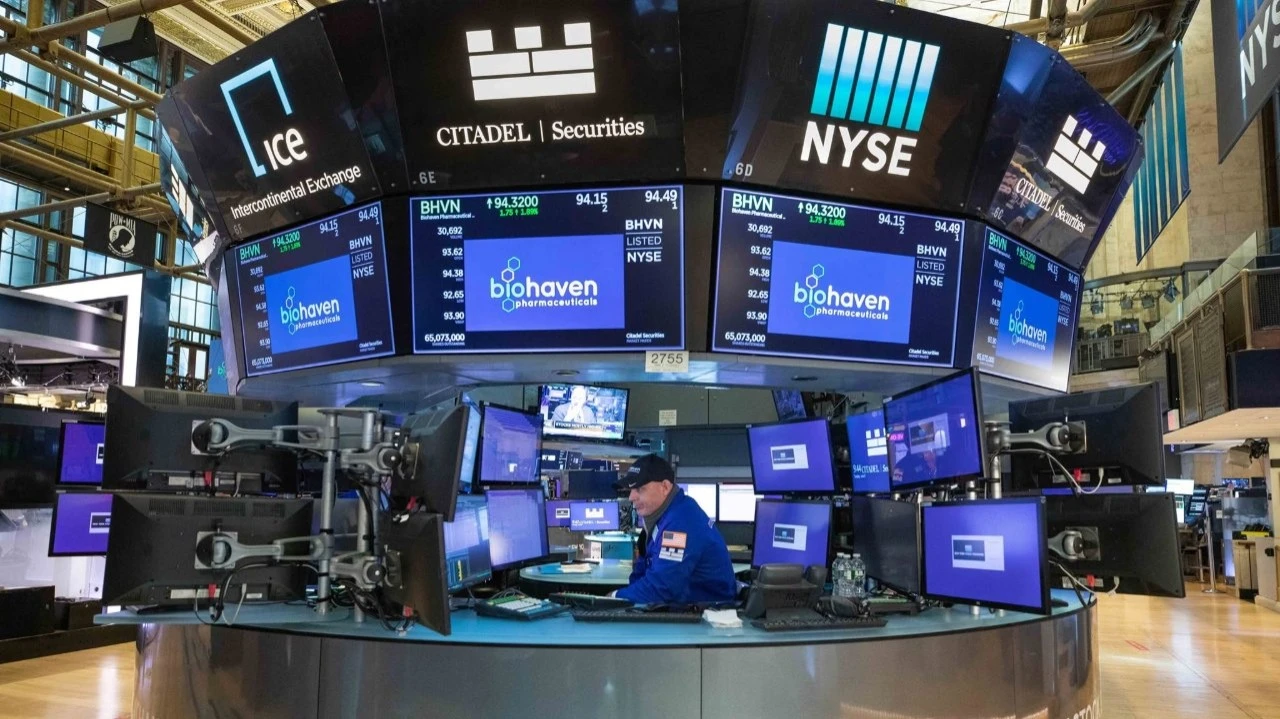
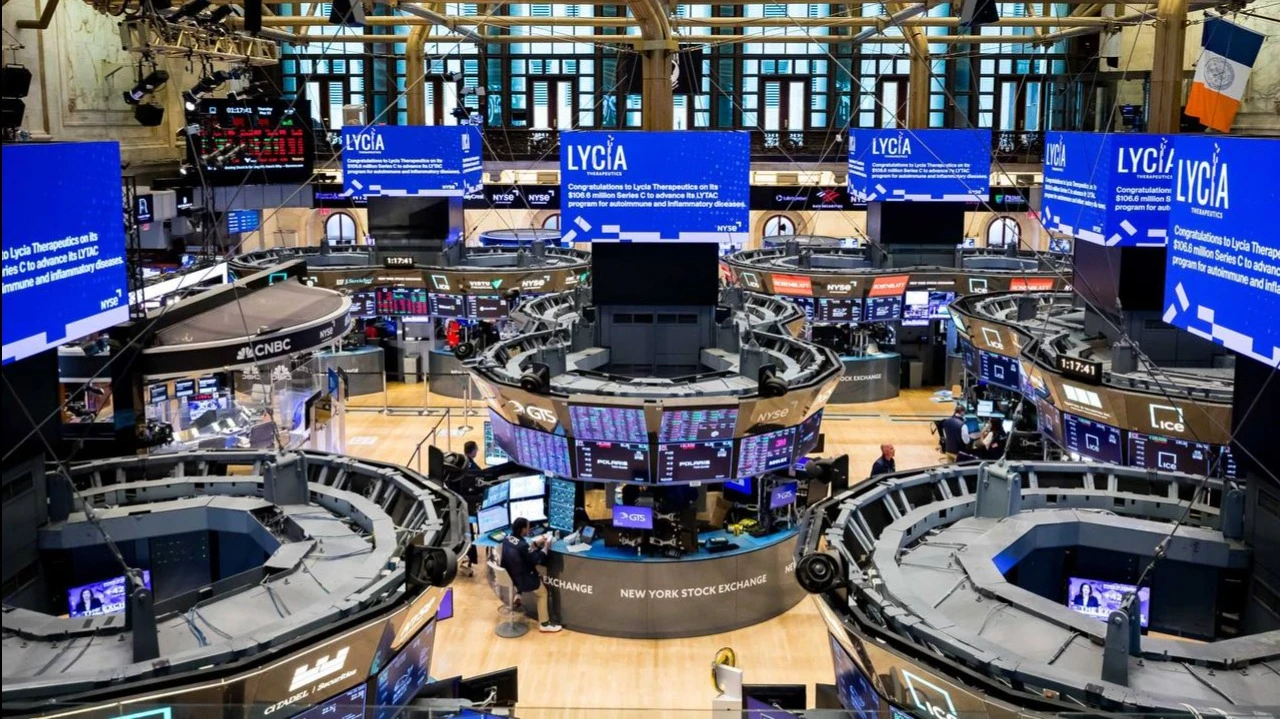
Photo: X / NYSE
Following a sharp sell-off in the technology sector on Thursday, all three major U.S. stock indices opened lower on Friday, October 23. The broad-market S&P 500 index fell 0.6%. The tech-heavy Nasdaq Composite, which had experienced its worst day since June the previous day, fell 0.5%. The blue-chip Dow Jones Industrial Average dropped 1.2%.
The VIX index, known as Wall Street’s “fear gauge,” continued to rise: it gained 7% and broke through the 20-point mark—a level considered to indicate heightened volatility.
The sell-off in artificial intelligence-related stocks eased slightly, giving investors a breather during the final trading session of a volatile week, according to Bloomberg. However, they are in no hurry to make big bets.
Meta shares, which fell 7% on Thursday, were down 1.6% at the opening bell. Market participants fear that massive corporate borrowing and rising interest rates will affect hyperscalers and other AI-related players. Shares of CoreWeave—which has become a symbol of aggressive use of debt to fund data center expansion—plummeted 10% the previous day and opened Friday’s session down 0.5%.
Chipmakers' stocks rebounded: Micron Technology and AMD shares rose 2% and 1.2%, respectively.
What's Going On with Oil?
CNBC notes that rising oil prices are also weighing on the market, fueling cautious sentiment. Amid growing fears of a new escalation in the conflict between the U.S. and Iran, futures for the benchmark Brent crude rose 1.8% on October 23, surpassing $115 per barrel. Futures for North American WTI crude jumped 2.2% to $101.6 per barrel.
The market reacted to reports that the U.S. and Israel may be drawing up plans for new strikes against Iran. The commander-in-chief of the Iranian army stated that the country’s armed forces are fully prepared for “asymmetric warfare,” according to CNBC.
The Islamic Revolutionary Guard Corps stated on Thursday that four vessels in the Persian Gulf were struck and caught fire, according to a report by the Iranian news agency Tasnim, as cited by CNBC. According to the same report, three more ships struck mines in the Strait of Hormuz. U.S. President Donald Trump said that Tehran is “making up stories about strikes, mines, and everything else, because more oil is now passing through the Strait of Hormuz than before the conflict began.”
On Friday, the United Arab Emirates closed some beaches after an oil spill from a tanker in the Persian Gulf was discovered north of Dubai, Bloomberg reported.
At the same time, oil giant Saudi Aramco ordered the evacuation of employees from its headquarters in Dhahran and a shift to remote work following a series of attacks by Iran-backed Houthis, sources told Reuters.
What Analysts Recommend
“Stock markets will likely only calm down once U.S. hyperscalers can demonstrate that the rapid growth in AI revenue justifies infrastructure expansion,” said Wolf von Rothberg of Bank J Safra Sarasin. “The bar has definitely been raised: credit markets are showing increasing signs of strain and a decreasing willingness to finance additional capital expenditures.”
According to Bank of America strategist Michael Hartnett, investors’ risk aversion is likely to persist at least through the first half of November. He believes the markets have not yet fully priced in a Democratic victory in the midterm elections for both houses of Congress. Such an outcome would put an end to the current era of low taxes and light regulation, which would hold back corporate earnings growth. “We are maintaining a tactical stance of reducing risk through mid-November,” the strategist warned in a note to clients. “We expect bond yields to decline, stocks to fall, and the U.S. dollar to weaken.”
“I consider sharp declines in semiconductor stocks, such as those seen over the past few days—especially last night—to be a good buying opportunity,” Mark Matthews, head of research at Julius Baer in Asia, told Bloomberg TV. “Demand continues to significantly outstrip supply.”
Ed Yardeni, president of Yardeni Research, called the prolonged rally in AI-related stocks a “bubble,” but noted that a partial correction could be beneficial. “It’s good that some air is coming out of the AI bubble. I don’t think it will burst and cause problems for the economy,” said the financial guru.
This article was AI-translated and verified by a human editor