Another sell-off in tech stocks: Meta and Tesla failed to calm the market
Following mixed quarterly results from Tesla and Meta Platforms, investors have begun to take a closer look at the companies' AI spending and its return on investment, analysts say

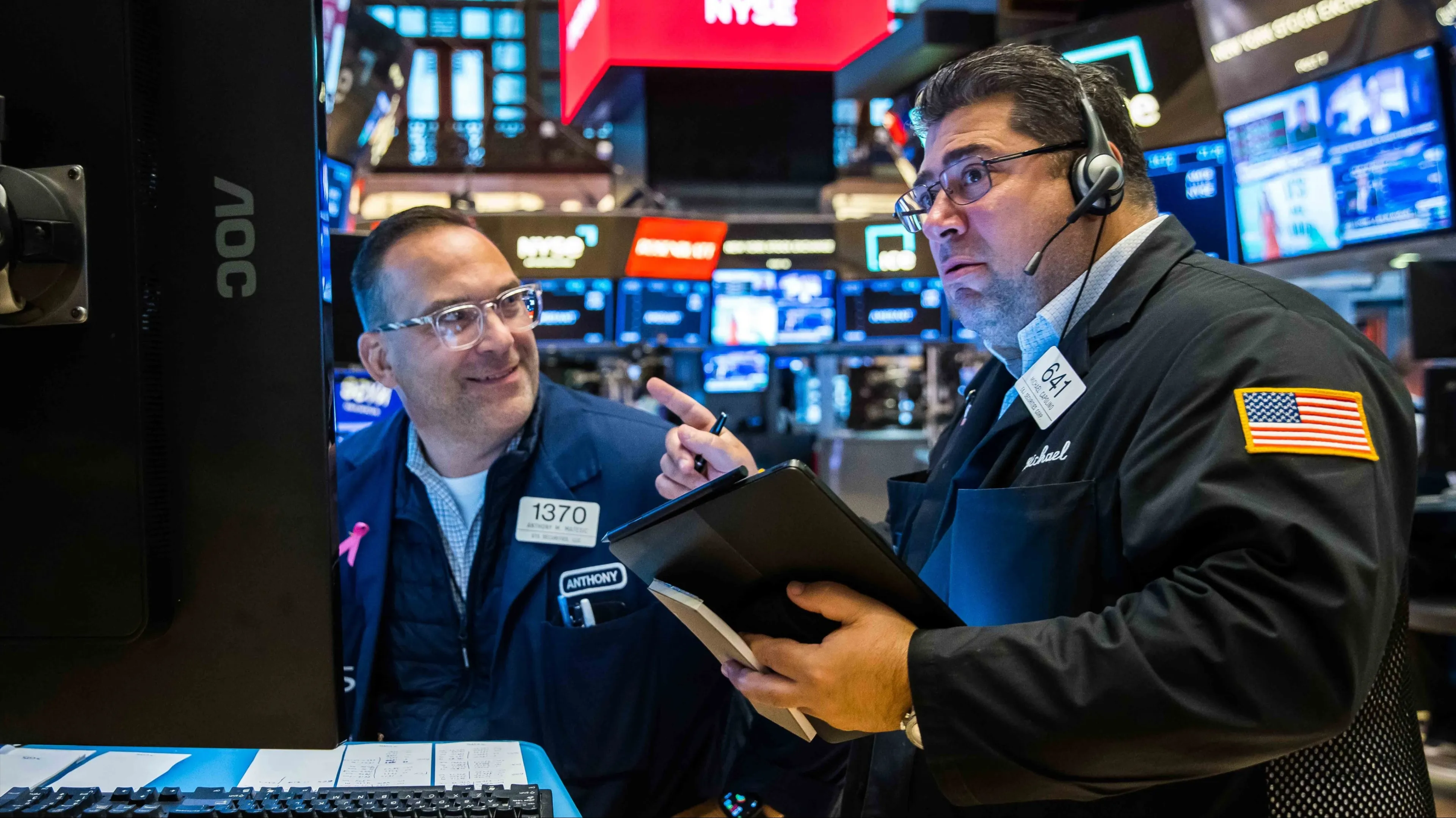
Following Tesla and Meta's earnings reports, investors are once again assessing the cost of AI / Photo: X/NYSE
On the morning of October 22, Nasdaq 100 index futures fell nearly 1.8%, while S&P 500 futures dropped 1%. Bloomberg attributes the decline to mixed quarterly results from electric vehicle maker Tesla and Meta Platforms, the owner of Facebook and Instagram: following these reports, investors began to question the recent rally in AI company stocks.
On October 21, the main trading session on Wall Street closed with a slight gain. This was driven primarily by the Nasdaq index, which has a high concentration of technology companies, according to Reuters. In after-hours trading, Tesla shares fell 3.3% due to a downward revision of its capital expenditure forecast. Meta shares, on the other hand, rose 2.2% as its spending forecast indicated that the company is increasing its investment in AI. Shares of Lam Research, a manufacturer of semiconductor manufacturing equipment, fell 7.4% after its earnings forecast fell short of expectations.
At first, the earnings reports from tech companies gave the market a boost. Elon Musk’s space company SpaceX reported a profit for the first time since going public, and Meta’s third-quarter revenue exceeded expectations, easing concerns that massive spending on AI would not pay off, Reuters reports. However, in Asia, the optimism quickly evaporated: investors once again turned their attention to the value of AI investments. Meta’s plan to issue non-voting Class C shares has reignited investors’ concerns about rising capital expenditures, the agency notes.
South Korea’s Kospi index, which Bloomberg calls a barometer of sentiment surrounding AI, fell 3.5% at the close of trading on Thursday. The region’s tech leaders were among the biggest losers: shares of memory chip makers SK Hynix and Samsung fell 5.5% and 4% , respectively, in Seoul. According to Reuters, risk appetite was also dampened by the escalating situation in the Persian Gulf following new attacks on Saudi Arabia, which heightened fears of disruptions to oil supplies.
What's Worrying Investors
No matter what capital expenditure decisions are made, it’s hard to please the market right now, according to KCM Trade analyst Tim Waterer. “It [the market] gets nervous when companies ramp up spending, and it gets nervous when they cut it, as we’ve just seen with Tesla. In this situation, it’s almost impossible to strike the right balance,” Bloomberg quotes him as saying.
Appearing on Bloomberg TV, Kaanhari Singh, head of derivatives for Asia at Barclays, explained how the approach to evaluating financial reports has changed. “The markets are essentially telling us that we’re moving away from trading based on sentiment and stories surrounding AI and are now setting fairly high standards for financial reporting. This applies to both capital expenditure forecasts and the path to monetization,” the expert noted.
Bloomberg strategist Mark Cranfield explains what the market will be watching in the coming days. “Investors betting on the market as a whole may find it harder to stay optimistic today: the next major earnings reports from tech companies—Microsoft and Alphabet—won’t be released until the middle of next week. This will bring persistently high oil prices back into the spotlight, especially after the U.S. State Department ordered the withdrawal of some diplomats from Saudi Arabia,” he writes.
This article was AI-translated and verified by a human editor