US stock futures fall more than 1%, oil rises 9%: the main thing about the markets
There are 1.5 hours to go before the opening of major US trades

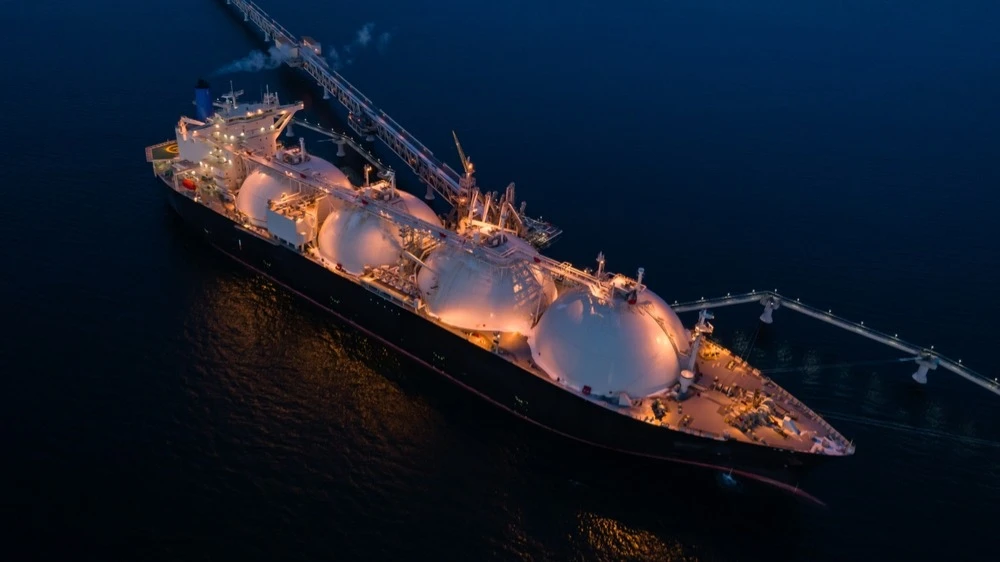
The conflict over Iran has frozen debt deals in Europe and boosted commodities and gold / Photo: Evgenii Bakhchev / Shutterstock
The escalation in the Middle East has increased nervousness in the markets: futures on major stock indices in the U.S. fell by more than 1%, European markets are also in deep negative territory, especially the German DAX, losing more than 2%. At the same time, gold is rising in price and oil has accelerated its rise to 9%. The disruptions around the Strait of Hormuz, important for the export of raw materials, raised the risks for oil and gas, and in the currency market the dollar strengthened amid rising energy prices and demand for protective assets.
What's happening in the markets
- U.S. stock futures fell sharply on Monday, March 2, amid an active military standoff between the United States and Iran. Futures on the Dow Jones Industrial Average fell by 535 points, or 1.1%. Futures on the S&P 500 were also losing 1.1%, on the Nasdaq - 1.4%.
- The VIX volatility index, also known as Wall Street's "fear index," jumped 20 percent to 23.7 points, breaking the psychologically important 20-point mark.
- The pan-European Stoxx 600 index was down 1.7% to 623.4 points. The German DAX index was down 2.3%, the French CAC 40 index was losing 2%.
- American oil WTI rose by 8.4% - to $72.7 per barrel. The global benchmark Brent rose 9% to $79.4.
- Gold prices surpassed $5400 on the night of March 2. Spot gold (XAUUSD) added 2.6% and traded around $5416, partially correcting the growth after reaching the maximum in four weeks. At the time of writing the news, the metal was up 2% at $5385.9. The metal is up about 25% since the beginning of the year and 87% over the past 12 months. Other precious metals also rose, with spot silver (XAGUSD) adding 1.2% to $94.9 and platinum futures +1.4% to $2,405.7.
- On the currency market on March 2, the U.S. dollar strengthened against the euro, yen and Swiss franc. The U.S. dollar index, which reflects the value of the currency against major trading partners, rose 0.74% to 98.37 points, having earlier reached 98.57, the highest since January 23. The euro fell 0.80% to $1.1721, having earlier fallen to $1.1698, its lowest level since Jan. 22. After initially strengthening sharply, the yen weakened 0.61% to 157 yen per $, falling to 157.25, its lowest since Feb. 9, Reuters noted. The Swiss franc hit an 11-year high against the euro, hitting 0.9. At the same time against the dollar it fell by 0.43% - to 0.77, staying close to the ten-year peak of 0.76, recorded in late January.
Analysts at Barclays estimate that the dollar could strengthen by 0.5-1% for every 10% rise in oil, pointing out that the escalation around Iran is adding support to the U.S. currency due to higher energy prices and investors' flight from risk, reports said.
- Borrowers in Europe are suspending bond offerings amid conflict in the Middle East, which is unsettling global markets and pushing up credit risk indicators, Bloomberg writes.
On Monday, March 2, no issues in €, pound sterling or $ are offered in Europe. According to sources familiar with the situation, companies, which were planning to sell bonds, prefer not to enter the market.
Debt market participants expected March to start with active offerings, according to a Bloomberg News survey conducted Feb. 26 and 27. At that time, all respondents predicted sales of at least €25 billion (about $29 billion), and some expected offerings to exceed €50 billion this week.
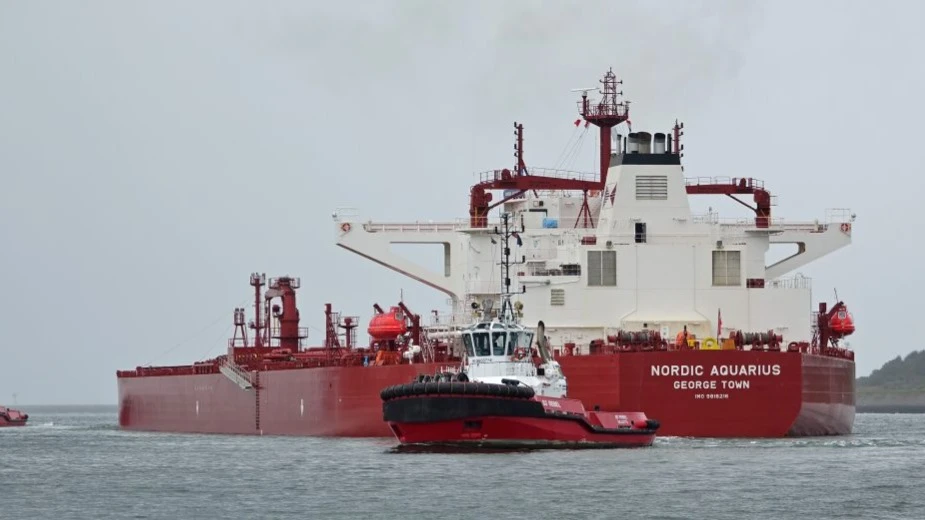
- The suspension of energy supplies through the Strait of Hormuz disrupts the pricing mechanism for a number of key global oil grades, Bloomberg writes.
S&P Global's oil and energy pricing arm, S&P Global Energy, said March 2 that it will stop accepting bids to buy and sell crude grades that need to pass through this strategic hub as part of its trading window used to price the Dubai regional benchmark. The grades in question are Dubai, Upper Zakum, Al-Shaheen and part of the Murban batches. Platts - a division of S&P Global Inc. under which brand the company is better known in the market - calculates the price of Dubai crude, to which most Middle Eastern grades are linked. Dubai quotes are determined daily on the basis of bids, offers and concluded deals in Asia during a half-hour trading window, the agency explains.
S&P Global Energy also said it will stop publishing bids for Middle East refined products shipped from ports inside the Strait of Hormuz within the same trading window. In addition, Platts will not accept nominations for liquefied natural gas shipments from Qatar's export plant and the Das Island terminal in the UAE.
The restrictions affected shipments of Murban, Abu Dhabi's flagship oil grade, from the port of Jebel Dhanna. At the same time, the grade can be shipped from Fujairah, located outside of Hormuz, so bids for such shipments continue to be accepted, Bloomberg notes.
Asian refineries are heavily dependent on oil supplies from the Middle East. If failures in the pricing mechanism persist, purchases from large markets such as China, India and Japan could be jeopardized, the agency explains.
- European natural gas prices rose sharply, with benchmark futures jumping as much as 28% - the biggest one-day increase since August 2023 - after tankers nearly stopped passing through the Strait of Hormuz over the weekend. About a fifth of the world's liquefied natural gas exports pass through it, Bloomberg writes.
The situation threatens to become the most serious shock to the gas market since Russia's military action in Ukraine four years ago, which destabilized the global energy trade, the agency said.
This article was AI-translated and verified by a human editor