Oil, Boeing, Strait of Hormuz: what Trump and Xi decided and what they didn't agree on in the PRC
U.S. President Donald Trump's two-day trip to China was meant to smooth over tensions between the countries, but had limited results

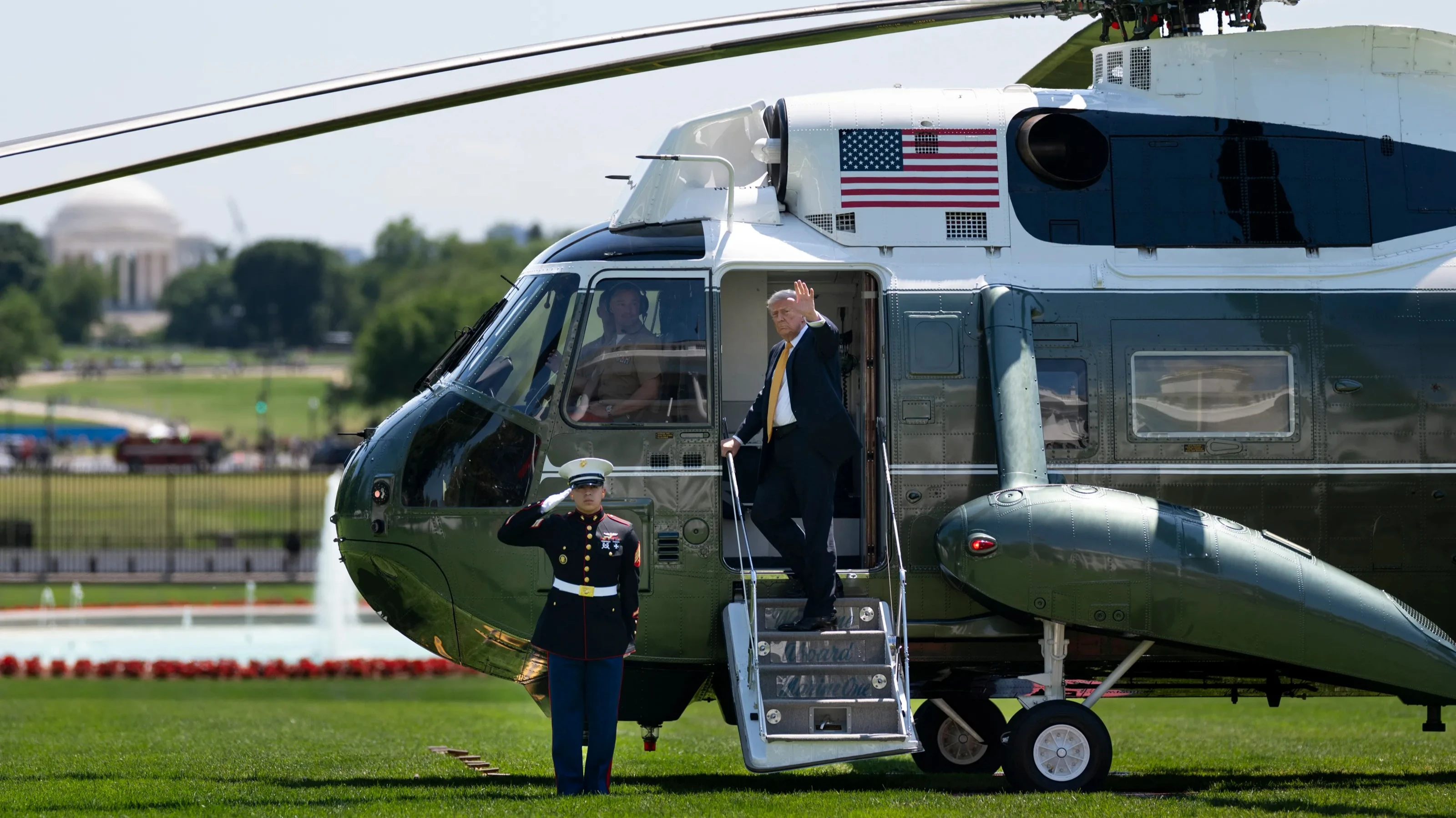
US President Donald Trump's two-day trip to China has not lifted the uncertainty in relations with Beijing / Photo: The White House
US President Donald Trump left Beijing on board number one, having concluded talks with Chinese President Xi Jinping that were more reduced to statements than to real changes in superpower relations. The official results of the meeting look emphasized vague: the US president announced "fantastic trade deals" without specifying details, and the Chinese government limited itself to the wording about "a series of new understandings", writes The Wall Street Journal.
What was announced
- On China's energy imports to China from the US. The main economic outcome was Trump's statements about China's willingness to resume U.S. energy imports. "They've agreed, they want to buy oil from the United States", he said in an interview with Fox News after the first day of talks. The US president explained this by the "insatiable" need of the world's second economy for energy. The American leader did not rule out that Beijing may also start buying liquefied natural gas. China has not yet confirmed these data.
- On China's purchase of Boeing airplanes. On Fox News, Trump emphasized the importance of the economic agreements of the summit, saying that compared to the three dozen deals at the last meeting, "this time everything is much bigger. However, so far these expectations have not been met: only the purchase of 200 Boeing airplanes instead of the expected 500 has been officially announced, WSJ states.
- On China's possible purchases of U.S. agricultural products. Trump hinted that it is worth waiting for new statements about purchases of soybeans and other agricultural products. US Trade Representative Jamison Greer, in turn, announced agreements in the agricultural sector. "We expect that this visit will also result in an agreement to purchase agricultural products worth tens of billions of dollars annually over the next three years," he told Bloomberg agency. According to the agency, China for its part has extended import licenses for hundreds of U.S. meat processing plants.
Taiwan, Iran and the Strait of Hormuz
The first round of talks showed that key differences have gone nowhere, with Xi bluntly warning Trump about the risks around Taiwan. According to the Chinese leader, a wrong approach to the Taiwan issue could lead to an "extremely dangerous situation."
On Iran, the parties' positions appear to be closer, judging by the statements: Trump said the U.S. and China "look very similarly" at the need to end the war and open the Strait of Hormuz." China's foreign minister made a similar call on freedom of navigation before the second day of talks.
However, the parties have not yet made concrete steps towards resolving this conflict - Trump's trip to China ended without any significant breakthroughs, Barron's writes: shipping through the Strait of Hormuz has not resumed. Markets were counting on China's possible assistance in resolving this issue as one of the main importers of oil from the Middle East region.
Why markets aren't impressed
Chinese stocks and the yuan declined on the last day of the summit, and hopes for a simultaneous rally in the PRC stock market and the yuan after the meeting between Trump and Xi failed to materialize, Bloomberg reports. Senior strategist at BNY Mellon Wee Kun Chong explained this by the fact that the positives from the summit were outweighed by expectations for rates in the U.S.: "The development of dialog between Trump and Xi is a positive signal, but it is outweighed by the change in expectations for interest rates in the U.S. due to the release of macro statistics better than forecasts".
The main outcome was formulated by Ryan Fedasiuk of the American Enterprise Institute: much of what Trump wanted to agree on is not yet ready for implementation. "Frankly, a lot of things will be left to ripen for now," CNBC quoted the expert as saying.
This article was AI-translated and verified by a human editor