LVMH is selling fashion brand Marc Jacobs. What will this bring to the luxury group?

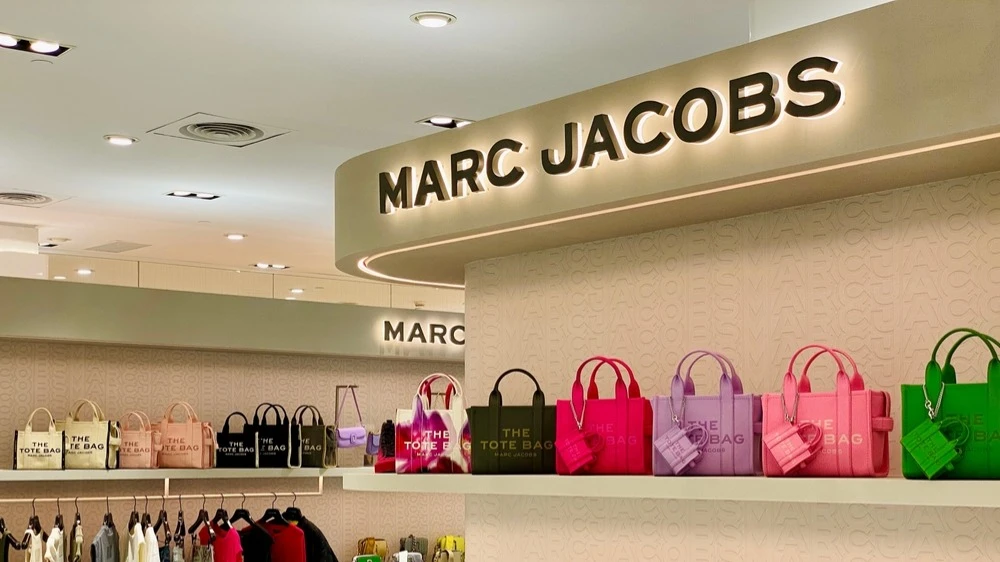
LVMH will sell Marc Jacobs and focus on more expensive brands / Photo: Gina Hsu / Shutterstock
French luxury group LVMH will sell its fashion clothing and accessories brand Marc Jacobs to a joint venture of two American companies, WHP Global and G-III Apparel Group, their joint press release said. The former specializes in brand management, while G-III owns the Donna Karan and Karl Lagerfeld apparel and accessories brands. The deal was a rare case of selling an asset for LVMH amid weakening demand for luxury goods, Bloomberg writes.
Details
G-III announced that it plans to invest up to $425 million in a joint venture (JV) with WHP Global to buy Marc Jacobs. The partners' stakes in the JV will be split equally - 50% each, Bloomberg points out. Other financial terms of the deal are not disclosed.
The brand's founder Mark Jacobs will continue to serve as the brand's creative director for the affordable luxury segment.
LVMH shares fell 1.5% in Paris trading on May 15, and have lost almost 30% since the beginning of the year.
What will this deal bring to the companies?
For LVMH, which owns about 75 brands including Louis Vuitton, Christian Dior and Loewe, the deal will capitalize on Marc Jacobs' multi-year recovery while getting rid of business in the affordable luxury segment to focus on higher-priced brands, Bloomberg notes.
Although LVMH does not disclose sales of individual brands in its fashion and leather goods division, Marc Jacobs is considered one of the smaller assets in the group's portfolio, notes Vogue magazine. LVMH usually separately mentions brands with sales of more than €1 billion, and Marc Jacobs is rarely featured in calls with investors following reporting results. At the same time, under LVMH management, the brand has gone from a niche New York Mark to an internationally recognized fashion house.
Mark Jacobs did not fit into LVMH's typical brand development model, which involved moving Marks into a higher price segment and expanding globally. LVMH as early as 2024 was considering various options to transform the business, including a potential sale of the brand, following interest from other consumer companies and private equity funds, Bloomberg wrote.
For the French group, which historically rarely sells assets, the sale of Marc Jacobs also means a reassessment of its approach to its brand portfolio amid slowing demand for luxury goods, including against the backdrop of war.
Marc Jacobs will join WHP Global's growing portfolio of fashion brands, which already includes bridal brand Vera Wang and clothing brand Rag & Bone. WHP Global expects the deal to bring the brand management group's annual revenue to more than $9.5 billion.
Context
The sale of Marc Jacobs comes amid a slowdown in LVMH's performance in early 2026: the Gulf War in Iran, affecting all Gulf countries, has hit the group's Middle East business, which generated about 6% of the company's revenue, and cut LVMH's organic growth by about 1 percentage point in the first three months of 2026.
Other luxury companies have also reported difficulties in recent quarters, with Kering reporting an 8% drop in comparable Gucci sales in the first quarter - the 11th quarter in which the brand's sales have declined; and Hermès reporting worse-than-expected revenue for the same period, after which its shares suffered the largest intraday drop in its history.
This article was AI-translated and verified by a human editor