'Use cachet in case of collapse': Buffett on correction, nuclear threat and Apple mistake
The former Berkshire Hathaway CEO gave his first interview after leaving the post
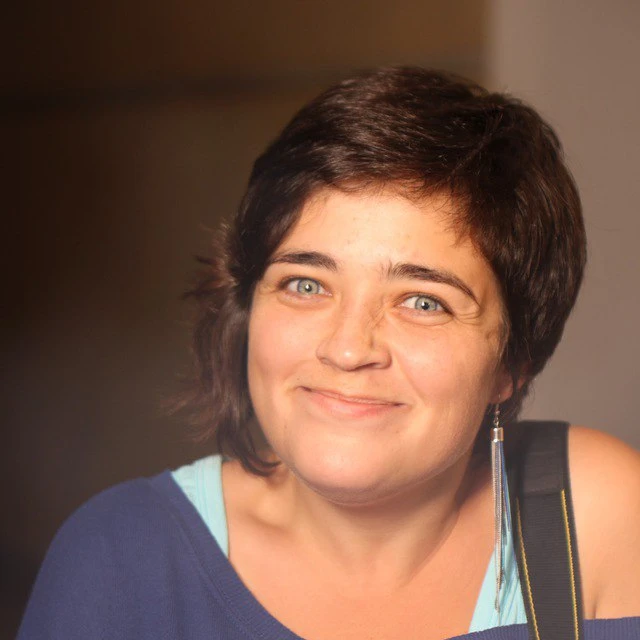
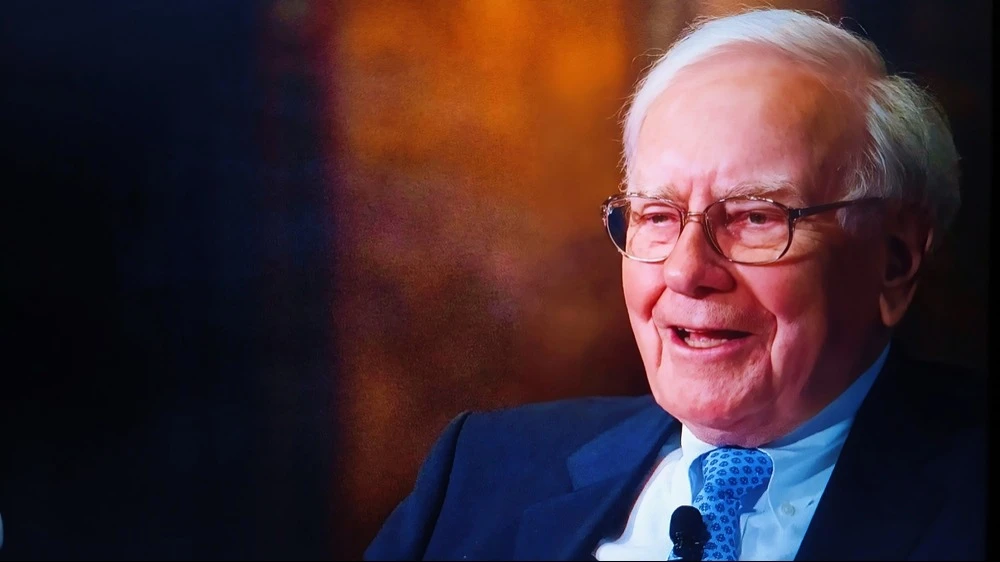
Buffett said he recently made a "tiny" deal, but did not disclose details / Photo: FotoField / Shutterstock.com
Warren Buffett, in an interview with CNBC - his first since stepping down as CEO - urged not to overstate the importance of current stock volatility, noting that market conditions are a far cry from past crises that created truly big opportunities for investors. He said Berkshire still holds more than $350 billion in cachet and does not yet see attractive prices for purchases. Buffett himself said he recently closed a "tiny" deal, but did not disclose details. In addition, the 95-year-old investor said that his biggest fears right now are inflation, the fragility of the banking system and the nuclear threat. Oninvest listened to the interview and picked out the key points.
On the current market downturn
During my time running Berkshire, the market has fallen more than 50% at least three times. If you look at the 2007-2008 market... Or that very Monday when everything collapsed 21% in one day. Compared to that, the current situation is nothing. It's not a reason to get excited. We're not playing for 5% or 6%.
In general, the shares show a high degree of correlation. However, I am not in a position to predict market dynamics. I don't have a clear idea of where the stock market will go, and I don't think anyone else does.
Are there any interesting assets on the market
We get calls all the time, but they're stupid calls. It takes me five seconds to say no. But it's even useful for me to get these calls - just to understand what's going on. But people don't offer anything at an attractive price.
If there is a big drop in the market, we will use our cache. But not because the quotes will simply look more attractive. We buy businesses for the long term, not with the expectation of selling them in a week or a month. That's why it's important for us to be confident in our choices. We've had American Express in our portfolio for 30 years, Coca-Cola for 35 years. There were some things that I changed my opinion on quite quickly, but our goal is different. And when we buy Occidental Chemical, we expect to own it 50 years from now.
About Berkshire's cash cushion
I don't know the exact figure, but it's not much different than before. It's probably* over $350 billion in cache and Treasury bills (treasuries). We bought $17 billion worth of Treasury bills this week. I think we are probably the largest bidder in the auctions for them.
* In its latest report, Berkshire Hathaway said it has accumulated cash reserves of more than $373 billion.
About cutting a stake in Apple
I started selling Apple too early. But I also bought it early, so it worked out in the end. I think we made over $100 billion before taxes. I don't regret it. I don't have the ability to predict how a stock will behave next week or next month. I buy them when they're cheap. And I'm willing to buy them in huge volumes if the price is low, because I think I truly understand this business. And Apple is still our largest single investment.
I think Apple is an outstanding business. It's better than any business we own outright. Right now we have a railroad that's worth more than our position in Apple, for example. But it doesn't come close to delivering the kind of returns that Apple does.
I don't follow technology companies (Buffett considers Apple a consumer company, not a technology company - Oninvest). I don't have the proper expertise. Besides, I got involved in this game too late. I'm no longer mastering new technologies and I still don't really know how to use a smartphone. But I recognize the obvious fact: you will have this gadget and your children will need it.
It is likely that Apple stock will reach a price level at which we would have built up a significant position, but not under current market conditions. In the current environment, that is simply out of the question.
On the Fed, inflation and the dollar
There seems to be no threat to the status of the US dollar as the world's reserve currency. I do not envision a scenario in which this could change.
I think people now realize that the Fed can do monetary issuance. The regulator can print money, and we have President Trump who would like the Fed to lower interest rates. Would I lower them if I were them? It's hard to say.
Personally, I'm in favor of a zero inflation target. As soon as you agree to 2%, the compound interest effect comes into play, which over time gives a huge cumulative increase in prices. In effect you are telling people: if the return on your capital is below 2%, you are losing money. And with the taxes you pay even on that inflationary 2%, you're rolling it back. I don't like that goal.
Inflation is something that would always be my primary concern. But I am even more concerned about the stability of the banking system. It is in some ways very powerful, but at the same time extremely fragile. J.P. Morgan's most recent annual reports showed a daily transaction volume of $10 trillion. In fact, that's a huge amount of unfunded liabilities. Believe me, J.P. Morgan has some of the smartest people in the world, and they know what they're doing. But during the 2008 crisis, I didn't want to have a single unsecured asset in my portfolio for even one day. No one knew how it was going to end. Everything in the financial world is too interconnected, and everyone panics.
About nuclear weapons
When I was in elementary school, I was told that the Sun would go out in four and a half billion years. I took it rather philosophically: well, we'll have to live with that. And now we have nine countries (with nuclear weapons), including that guy in North Korea. And something is bound to happen.
We were terribly worried about nuclear weapons when two countries had them. And there were sensible leaders back then - Kennedy, Khrushchev. We weren't dealing with unstable people. And, you know, the ships turned around. But people hid under their desks when there were two countries like this. Just think about how you feel when North Korea has nuclear weapons now and Iran wants them too. I don't have an answer for that.
I once asked a president: if the Soviets launched missiles, if they were already in the air, would you give the order to launch ours - knowing that it wouldn't change anything, it would just kill millions more people and add to the super-polluted atmosphere. This president said: "I thought about this every day while I was in office." He said: "I think the answer is yes. I was told to do it." That is the policy of the United States of America.
I would say that one way or another in the next hundred years - or maybe two hundred, who knows - something will happen that will cause nuclear weapons to be used. And we can't take away something that already exists. I don't know how to proceed here. But I do know that things will be much more difficult if Iran has a bomb than if it doesn't.
About Berkshire's new CEO.
I go to the office every day, but I hardly ever get anything done - everything just takes me so much longer. And Greg is so good that it's embarrassing - he manages to look after all the two hundred companies we've had at Berkshire over the years. He covers more in a day than I would have covered in a week even in my best years, let alone in my current state.
But, you know, I can still make at least a very small contribution. I'm still involved in investment decisions. I recently made a tiny purchase.
This article was AI-translated and verified by a human editor