Wall Street has found an unexpected beneficiary of AI - a spice manufacturer
Ajinomoto has been making food seasonings since 1909
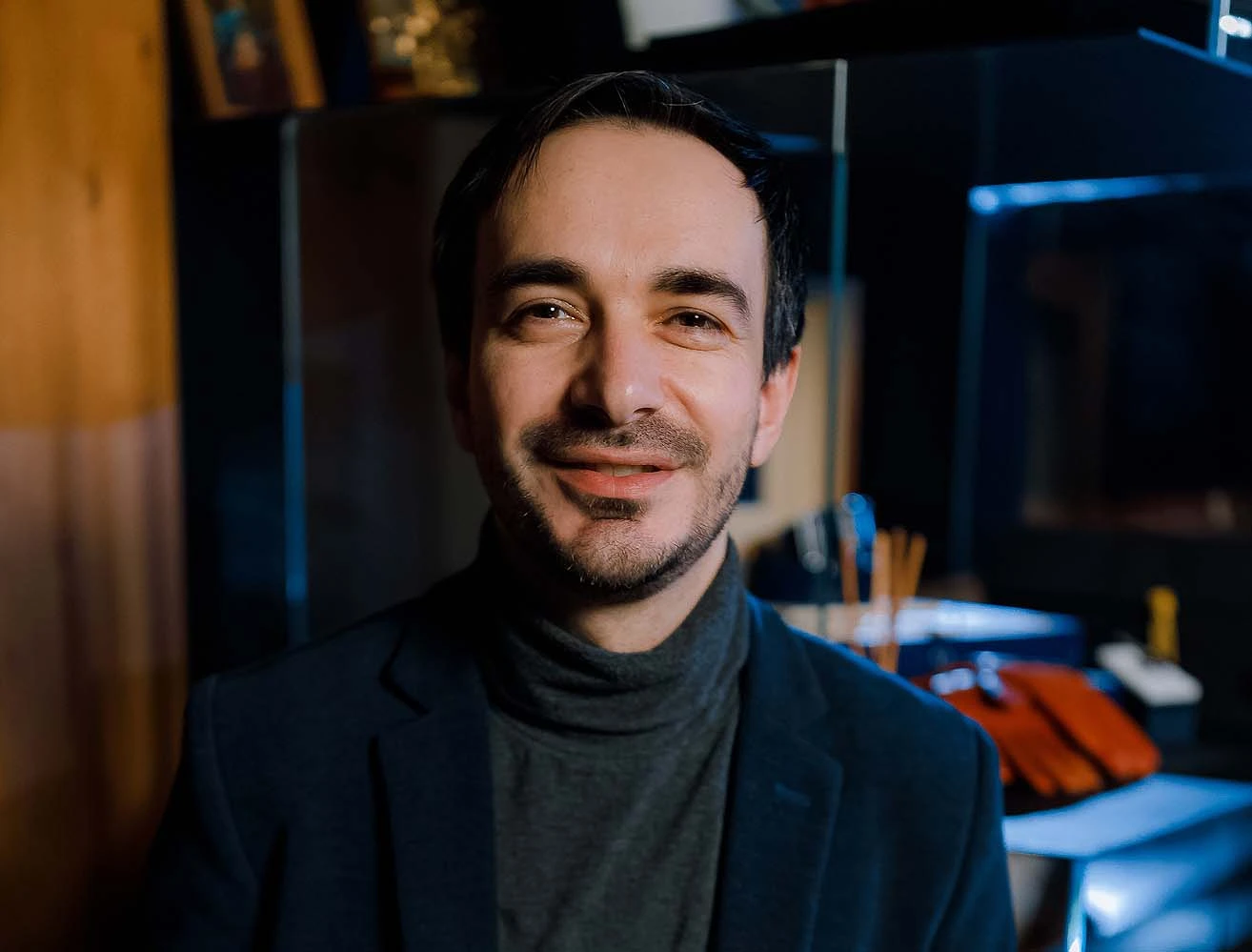

A spice manufacturer has become a beneficiary of AI thanks to the packaging film that semiconductor companies have started using / Photo: LinkedIn / Ajinomoto
Tokyo-based Ajinomoto Co is the maker of monosodium glutamate, a flavor enhancer used in soups and vegetable dishes. It's been around since 1909, with its stock up 61% since early 2026 and on track for its best annual performance in 40 years, Bloomberg calculated. The company has been a beneficiary of the AI boom thanks to its other lesser-known production - insulating film, which has come to be used in the packaging of high-performance semiconductors, the agency explained.
Details
Ajinomoto's business, called Build-Up Film, has led the spice maker's shares higher after its packaging was used by semiconductor companies. The company was brought to the attention of Laura Lau, chief investment officer of Canada's Brompton Funds, a portfolio manager with more than 25 years of experience in the financial industry. Brompton's investment firm manages about $3 billion in assets and is looking for non-obvious beneficiaries of the AI boom beyond the big tech players and chip makers.
"I call them WTF charts," Lau said in an interview with Bloomberg about the stock dynamics of companies like Ajinomoto, which at first glance do not look too logical. This is an example that the list of secondary beneficiaries of the artificial intelligence revolution is not limited to Silicon Valley tech companies, the agency emphasizes. While Meta Platforms, Alphabet and Microsoft are spending hundreds of billions of dollars to build AI infrastructure, Lau, she says, would prefer "to be on the side of the people who are getting the money, not where the money is coming from."
The company controls more than 95% of the global market for insulation materials used in personal computers and data center servers, according to the Ajinomoto website. In its May financial results report, it said its frozen products business declined last fiscal year due to recalls of its products, but its semiconductor film segment showed "significant profit growth."
Film is "a high-margin business with a high safety barrier that serves as a strong profit driver for Ajinomoto, even as condiments and food remain the largest revenue streams," Lau explained.
Who else could be the beneficiary of the AI boom
Investors are now looking not only at the direct beneficiaries of the AI boom, but also outside the AI industry: at water suppliers, European cable manufacturers and pipeline operators, Bloomberg lists. In May, for example, shares of another Japanese company, sanitary ware maker Toto, jumped 18% after it announced plans to ramp up investment in its chip components business due to high AI-related demand.
Other areas Lau pointed out include helium producers, as the gas is used to cool equipment in data centers.
"I think everyone is still focused on the chip makers," Integrated Partners Chief Investment Officer Stephen Colano told Bloomberg, implying that many market participants aren't yet willing to go beyond buying the securities of direct AI beneficiaries. However, his firm is also focused on finding "secondary" winners of the massive AI capital spending trend. It is building positions in water utilities such as American Water Works and London-based Pentair, anticipating demand for data center cooling. Integrated Partners is also eyeing European power distribution companies like Schneider Electric SE and E.ON.
Another example is natural gas pipelines, which could face a surge in gas demand for power plants built for AI datacenters, Bloomberg writes. "It's a value play on the AI theme," MAI Capital Management chief market strategist Chris Grisanti told the agency. His firm has been building up positions in Williams Cos. and ONEOK in the expectation that investors will eventually see the same growth potential in the pipelines as they have seen in surging AI-related energy companies such as Vistra.
This article was AI-translated and verified by a human editor