Tankers Are Crossing the Strait of Hormuz Along a U.S.-Escorted Route Amid Escalating Tensions — Bloomberg

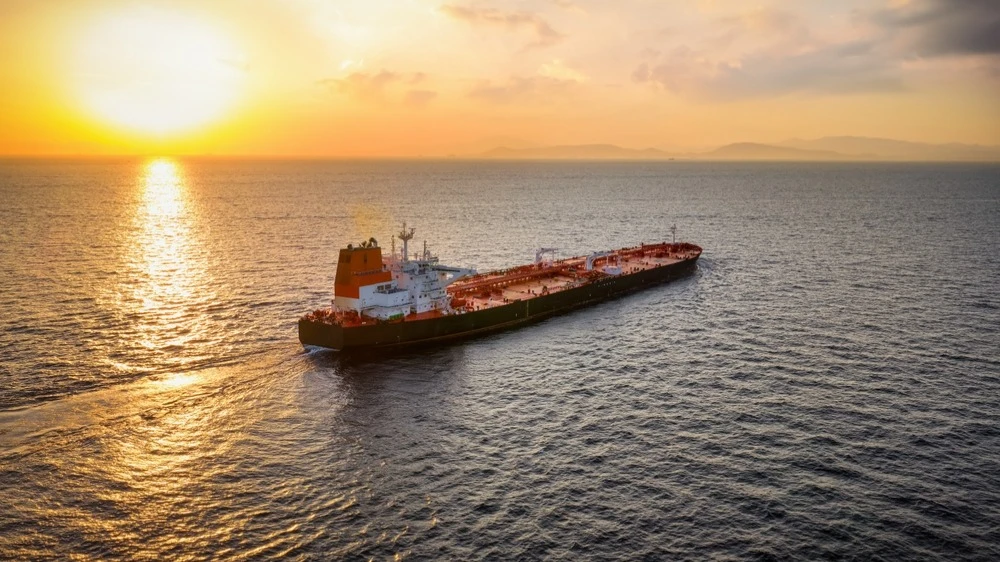
Two Greek tankers managed to pass through the Strait of Hormuz / Photo: Sven Hansche / Shutterstock.com
At least two oil supertankers passed through the Strait of Hormuz via the southern route along the coast of Oman, despite the resumption of exchanges of strikes between Washington and Tehran, Bloomberg reports. This route is patrolled by the United States.
Details
According to ship-tracking data compiled by Bloomberg, the very large crude carriers (VLCCs) Nissos Kea and Nissos Heraclea, operated by the Greek company Kyklades Maritime, crossed the Strait of Hormuz in opposite directions. The Nissos Kea appeared in the Persian Gulf a few hours after its automatic identification system signal was turned off as it approached the strait, while the Nissos Heraclea made the return trip. The company did not respond to the agency’s request for comment.
According to Bloomberg, both vessels are transporting oil from Qatar: one tanker loaded up at the Al-Shahin field, while the other was heading toward Halul Island.
U.S. Central Command has rejected Iran's claims that passage through the strait is possible only along routes designated by Tehran. The command reported that since early May, U.S. forces have ensured the safe passage of ships carrying a total of about 380 million barrels of oil. Counting from May 1, this amounts to a flow of approximately 5.4 million barrels per day, and when Iranian exports are factored in, the total exceeds 6 million barrels per day, according to Bloomberg’s calculations.
Oil prices fell on July 10: September futures for the benchmark Brent crude dropped 1.3% to $75.3 per barrel, while WTI lost 0.9% and is trading at $71.4.
Context
The U.S. has demanded that Iran issue a public statement confirming that all channels of the Strait of Hormuz are open to shipping and that civilian vessels in transit will not be attacked, Bloomberg reported, citing senior administration officials. They stated that they expect negotiations to continue despite the escalating tensions with Iran. At the same time, a refusal to pursue a peaceful resolution will have consequences.
Over the past 24 hours, the volume of oil tanker traffic through the Strait of Hormuz has decreased after the U.S. and Iran exchanged missile and drone strikes once again, jeopardizing the current ceasefire. As a result of the escalation, Washington revoked the license for Iranian oil exports.
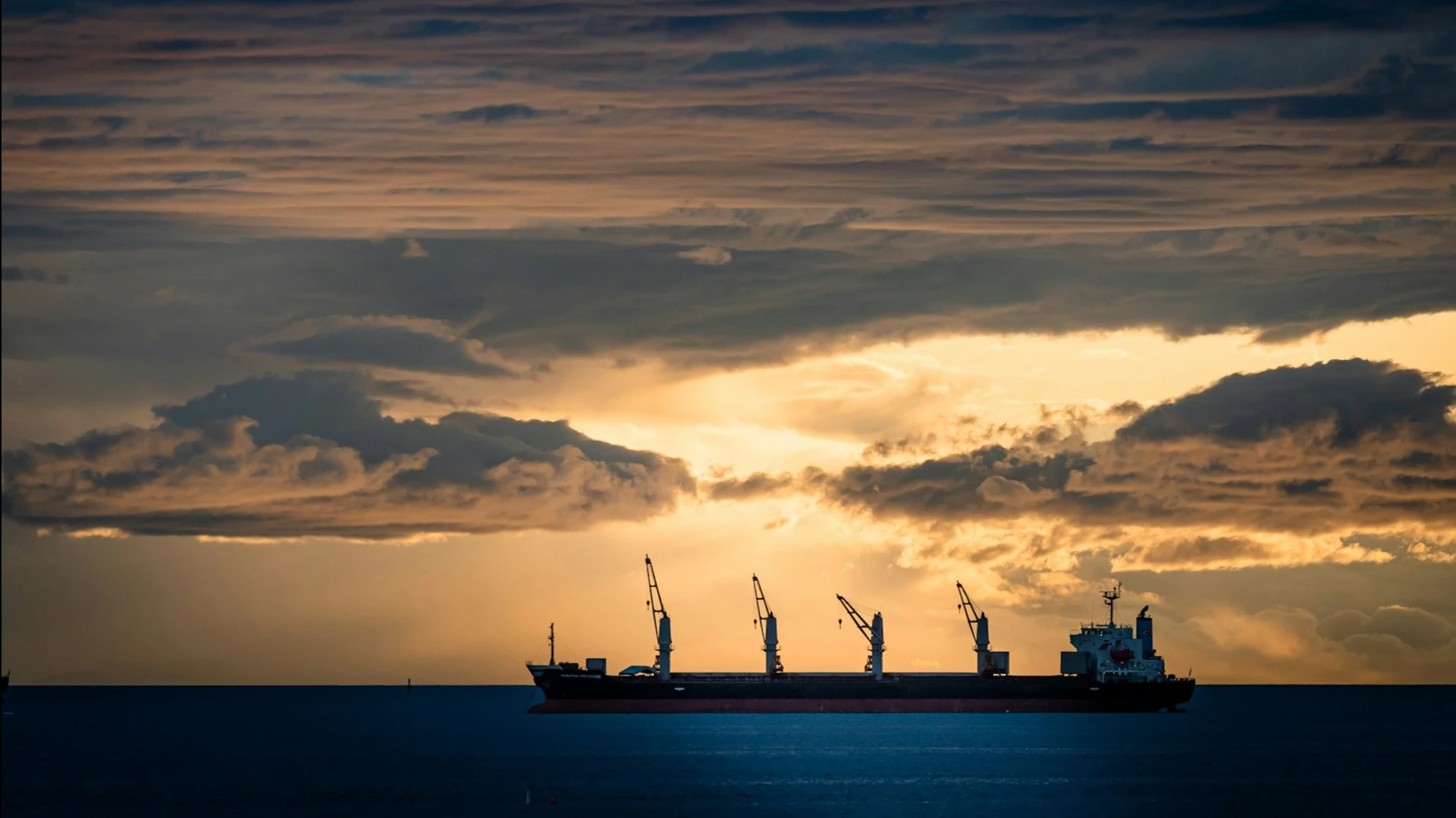
According to Bloomberg, Tehran is attempting to reroute tankers along a northern route that passes through the Islamic Republic’s territorial waters. The only supertanker spotted on this route over the past 24 hours was a vessel that had previously loaded oil at the Iranian terminal on Khark Island and was heading for Asia.
This article was AI-translated and verified by a human editor