Apple has filed a lawsuit against OpenAI, accusing it of stealing trade secrets

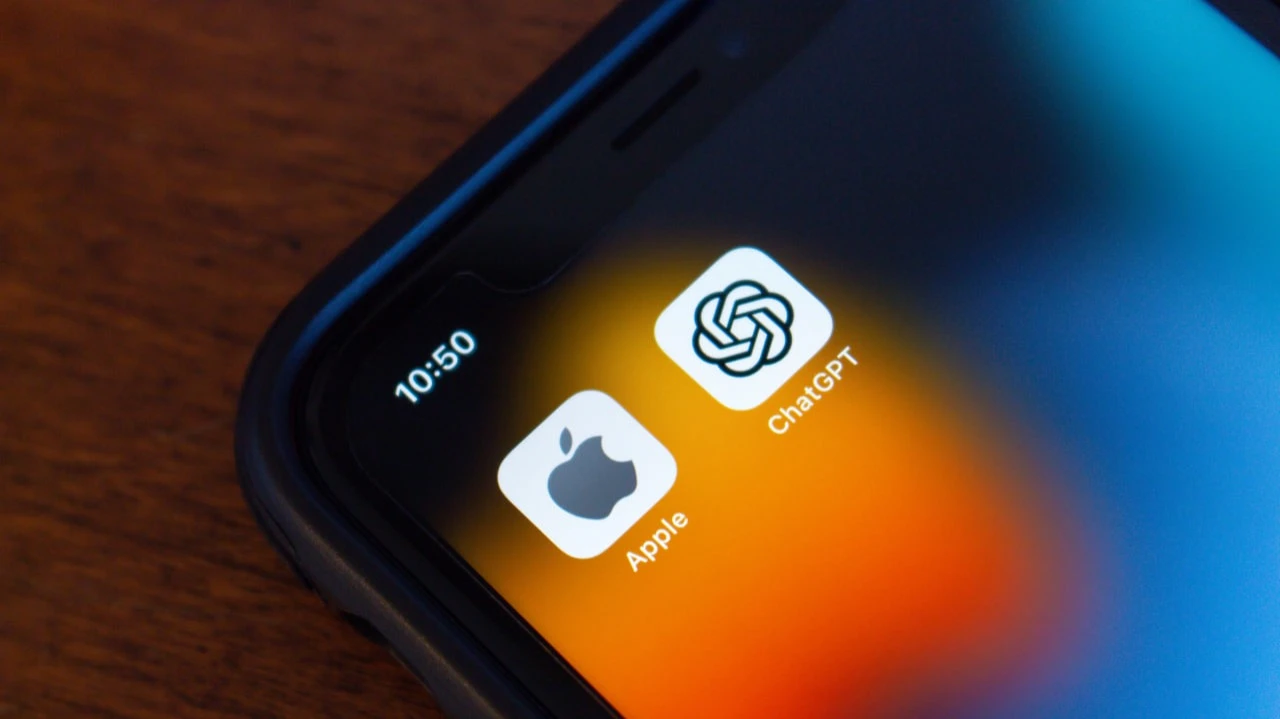
Apple has filed a lawsuit against OpenAI / Photo: Koshiro K / Shutterstock.com
Apple has filed a lawsuit against OpenAI in a California federal court, accusing the AI giant of systematically stealing trade secrets and confidential information to develop its own devices, according to CNBC.
"At every level—from technical staff to the director of hardware—and in coordination with its business partners, OpenAI stole Apple's trade secrets and confidential information," the lawsuit states.
Most of the allegations involve former employees who joined OpenAI or interviewed there. According to the lawsuit, more than 400 former Apple employees currently work at the AI startup.
Among the defendants is Tan Tan—formerly a vice president at the Cupertino-based company and now OpenAI’s director of hardware. Tan allegedly required candidates from Apple to bring “real details” to interviews so that he and his team at OpenAI could extract even more information. Another defendant named in the lawsuit is Chang Liu—yet another former Apple employee who joined OpenAI. Upon his termination, he stole a work laptop, the plaintiff alleges, and spent several weeks downloading confidential files, including those related to unreleased products. The document also states that OpenAI instructed employees leaving Apple on how to circumvent security procedures upon termination.
Apple is seeking damages, injunctions, and an order prohibiting OpenAI from using its trade secrets. It also wants OpenAI to redesign its future products so that they do not use any of its technologies, according to Bloomberg.
The iPhone manufacturer stated that several months ago it attempted to settle the dispute out of court by demanding that the attempts at theft cease and that all materials—which it claims were stolen—be removed. Apple claims it received no response.
Context
The lawsuit marked a sharp turnaround in the relationship between the two companies. In 2024, they entered into a major partnership under which ChatGPT was integrated into the iPhone’s operating system. Relations began to cool after OpenAI announced plans to enter the consumer device market by acquiring IO Products, a startup founded by former Apple designer Jony Ive, for $6.4 billion. And the updated version of Siri, set to launch this fall, will run on Google’s Gemini models rather than ChatGPT.
Apple declined to comment on whether the lawsuit would affect its current partnership with OpenAI.
This article was AI-translated and verified by a human editor