Waymo has developed a chip for robotaxis that is comparable to the latest systems from Nvidia
As a result, the ride-hailing company—which is part of Alphabet—hopes to reduce its reliance on third-party chip suppliers, such as Nvidia and AMD

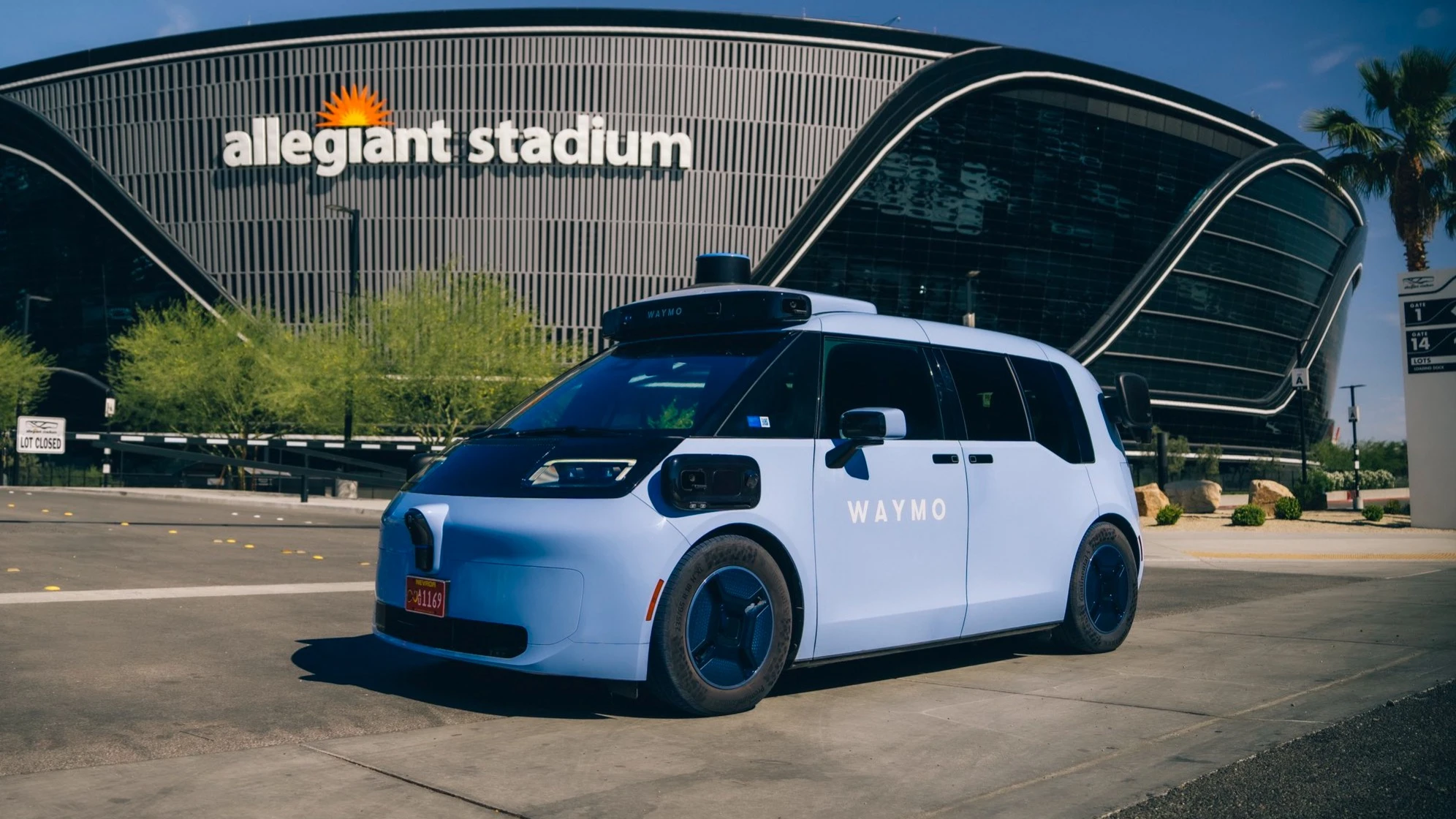
Waymo Unveils Its Own Chip for Robotaxis / Photo: x.com / Waymo
Waymo, the self-driving taxi operator owned by Alphabet, has developed its own chip for vehicles. Its performance is comparable to Nvidia’s latest autonomous driving systems and exceeds 1,000 trillion operations per second, according to Bloomberg. By using its own chips, the company aims to improve the robotaxis’ performance in complex urban environments (including their ability to navigate and quickly process sensor data) and hopes to reduce its reliance on Nvidia and AMD.
In trading on August 20, Alphabet shares fell 1%, Nvidia shares dropped a modest 0.33%, and AMD shares rose 0.65%.
Details
On August 20, Waymo announced that the new chip is a specialized integrated circuit designed for specific tasks. It will allow the company to process sensor data more quickly and run AI models that help vehicles analyze and respond to their surroundings, the company said in a blog post. The chip is manufactured using Taiwan Semiconductor Manufacturing Co.’s (TSMC) 5-nanometer process. Although this manufacturing process is no longer TSMC’s most advanced, it is still widely used by leading chip manufacturers, Bloomberg notes.
According to Waymo, the chip delivers over 1,000 TOPS (1,000 trillion operations per second). In terms of this metric, the chip is comparable to Nvidia’s latest computing systems for autonomous driving, Bloomberg reports. Previously, Waymo primarily used chips from Nvidia and Advanced Micro Devices (AMD) in its vehicles, integrating them into its computing systems. The switch to a specialized in-house chip reduces the company’s dependence on third-party suppliers, according to Bloomberg.
Additionally, according to the company, its in-house development could not only reduce costs but also free up more space in the cabin and make the vehicles more comfortable for passengers. Bloomberg reports that Waymo’s new chip is already being installed in robotaxis based on Zeekr vehicles, which are owned by China’s Geely. Previously, Waymo’s fleet consisted mainly of Jaguar vehicles that had been retrofitted for autonomous driving and equipped with chips from third-party manufacturers.
How Waymo's Systems Work
The new chip is a key component of Waymo’s computing architecture, which the company refers to as the “brain” of its AI-powered autonomous driving system. Among the tasks of this physical AI is converting raw data from sensors “into real-time control commands [for the robotaxi],” according to the company’s blog. The system operates entirely on board the vehicle, is designed to withstand constant vibrations, impacts, and extreme temperatures, and is capable of making decisions in milliseconds.
Thus, to ensure the operation of its robotaxis, Waymo has created something akin to a “data center on wheels,” according to Seeking Alpha.
Bloomberg notes that Waymo’s development of its own chip is also part of Alphabet’s broader strategy. Like many other hyperscalers, Google, among other things, is developing its own AI chips in an effort to control rapidly rising spending on computing infrastructure.
This article was AI-translated and verified by a human editor