What's Happening in Small-Cap Stocks: Curaleaf's Offering, a New GLP-1 Drug, and a Defense IPO

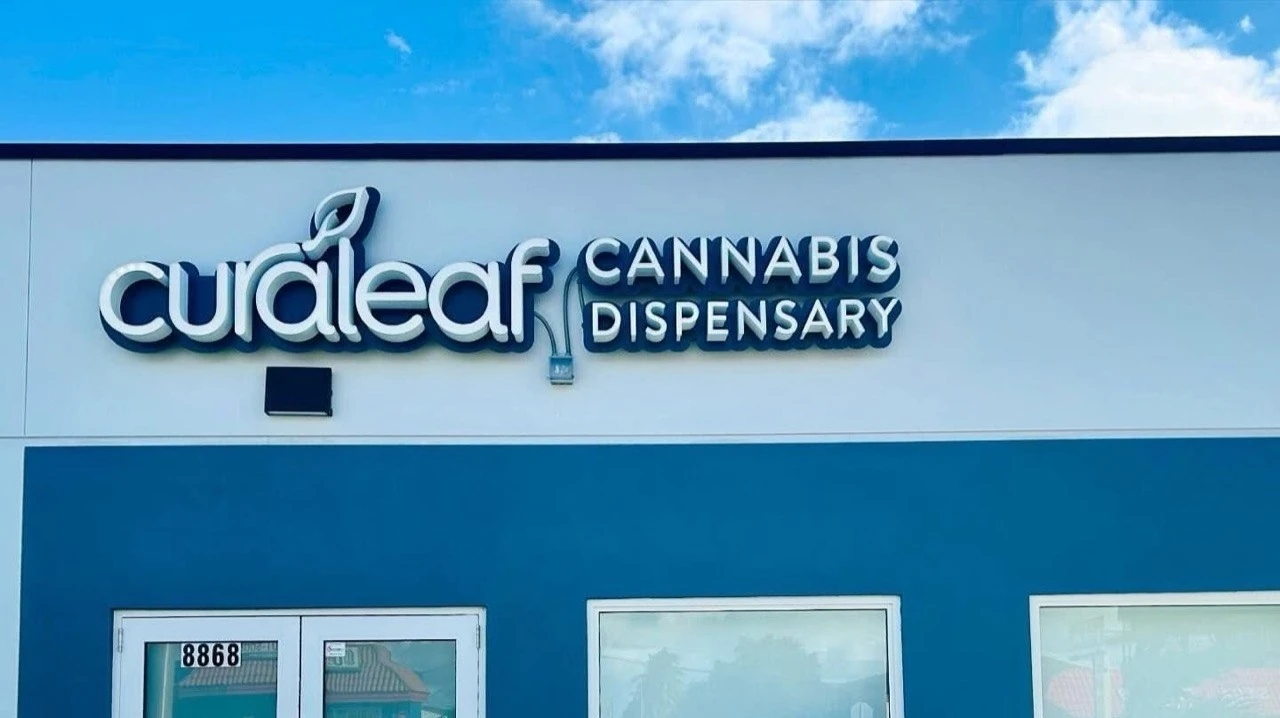
Curaleaf, a medical cannabis manufacturer, plans to acquire a Canadian competitor in order to become a market leader. Photo: Curaleaf Facebook
Medical cannabis producer Curaleaf wants to acquire a Canadian competitor to create an industry leader. Biotech company Amylyx Pharmaceuticals has successfully tested a new GLP-1 drug and is preparing to file for its approval. Lyntris, which develops sensors for missile defense, among other things, raised $100 million in its IPO. Highlights from the small-cap sector for the week of August 17–21 are featured in the Oninvest digest.
Medical marijuana producer Curaleaf wants to acquire a Canadian competitor and become the market leader
Curaleaf Holdings, a medical cannabis producer whose 2018 IPO made its majority shareholder, Boris Jordan, a billionaire, plans to acquire its Canadian competitor, Aurora Cannabis. Curaleaf believes that the combined company could become an industry leader.
Curaleaf announced that it will launch a tender offer to acquire Aurora Cannabis shares directly from their owners. For each share, it will offer $4—0.3 of its own stock and $0.75 in cash. The company’s total valuation for the transaction is $290 million. The offer will remain open until December 2026, and Curaleaf may extend or withdraw it.
Curaleaf announced a direct purchase offer to shareholders after unsuccessful attempts to negotiate with Aurora's board of directors. Curaleaf notes that Aurora’s performance is being weighed down by the reduction in medical cannabis reimbursement rates in Canada and their elimination in Germany. In addition, Aurora’s shareholders “have faced multimillion-dollar restructuring costs, billion-dollar write-downs, and the ongoing dilution of shareholders’ equity as a result of a share issuance program” at prices below Curaleaf’s offer price. In February, Aurora announced amendments to its prospectus that allow it to periodically sell new shares—for a total of up to $100 million.
According to Curaleaf, the combined company will become the largest player in the cannabis market, with revenue of $1.5 billion. Last year, Curaleaf's revenue fell by 5% to $1.27 billion.
In a letter to shareholders published on August 11, Aurora states that it has received two offers from Curaleaf but considers the proposed price to be too low.
All six Wall Street analysts covering Curaleaf have a “buy” recommendation. The average price target is $13.9, which is 51% above the most recent closing price.
Amylyx shares rose 60% following successful trials of its GLP-1 drug
Mid-cap biotech company Amylyx Pharmaceuticals announced that its experimental drug, like Novo Nordisk’s Ozempic, which targets the GLP-1 receptor, has met all clinical trial endpoints. Amylyx shares surged 64% on August 18, reaching their highest level since February 2023.
Avexitide is intended for patients with post-bariatric hypoglycemia —a sharp drop in blood sugar levels following surgical treatment for obesity. This condition can have dangerous consequences, including loss of consciousness, seizures, and disability, but there is currently no approved treatment for it.
Kamil L. Bedrosyan, the medical director of the pharmaceutical company, stated that following successful clinical trials, the biotech firm “is urgently preparing to submit a marketing application to the FDA.” If approved, the drug could reach the market as early as 2027.
Since the beginning of the year, Amylyx’s stock price has soared by more than 220%. The biotech company’s stock has 11 “buy” ratings from analysts and one “hold” rating. The average price target is $42.18, which is 9.3% above the last closing price.
Defense company Lyntris raised $100 million in its IPO—less than planned
Lyntris, a company operating in the defense technology sector, raised $100 million in an IPO on the New York Stock Exchange.
Lyntris, which develops sensors for missile and air defense systems, among other things, sold 5.7 million shares at $17.50 each—below the lower end of the expected price range ($19–22). Existing Lyntris shareholders, including the private investment firm Trive Capital, sold an additional 11.28 million shares for $197.5 million. In total, the company and its shareholders raised $297.5 million, although they had expected to raise up to $528 million.
More than 200 defense programs run by the U.S. Department of Defense and several of its allies use Lyntris technology, according to the Access Hub portal. The company’s order backlog grew by 112% in the first half of the year to $923.9 million, according to its IPO filing . Revenue for the same period increased by nearly 35% year-over-year, to $241 million.
However, the company is still not profitable, and in January–June, its net loss rose by 34% to $13 million, mainly due to debt servicing costs, according to the trading platform Minichart. Using the proceeds from the IPO to repay this debt will help improve the situation.
According to Freedom Broker analyst Alema Bektemirova, the average price target for Lyntris shares is $19.79, which implies a 13% upside potential relative to the offering price.