"The Main Focus for the Markets": What to Expect from the Fed Chair's Speech in Jackson Hole
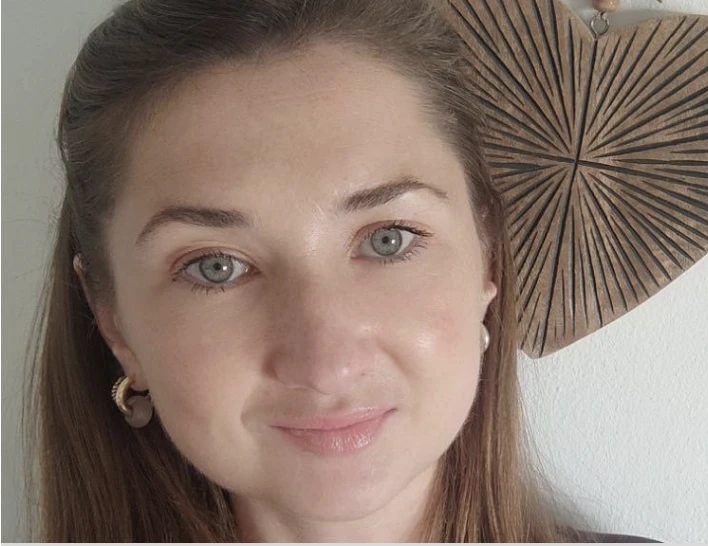
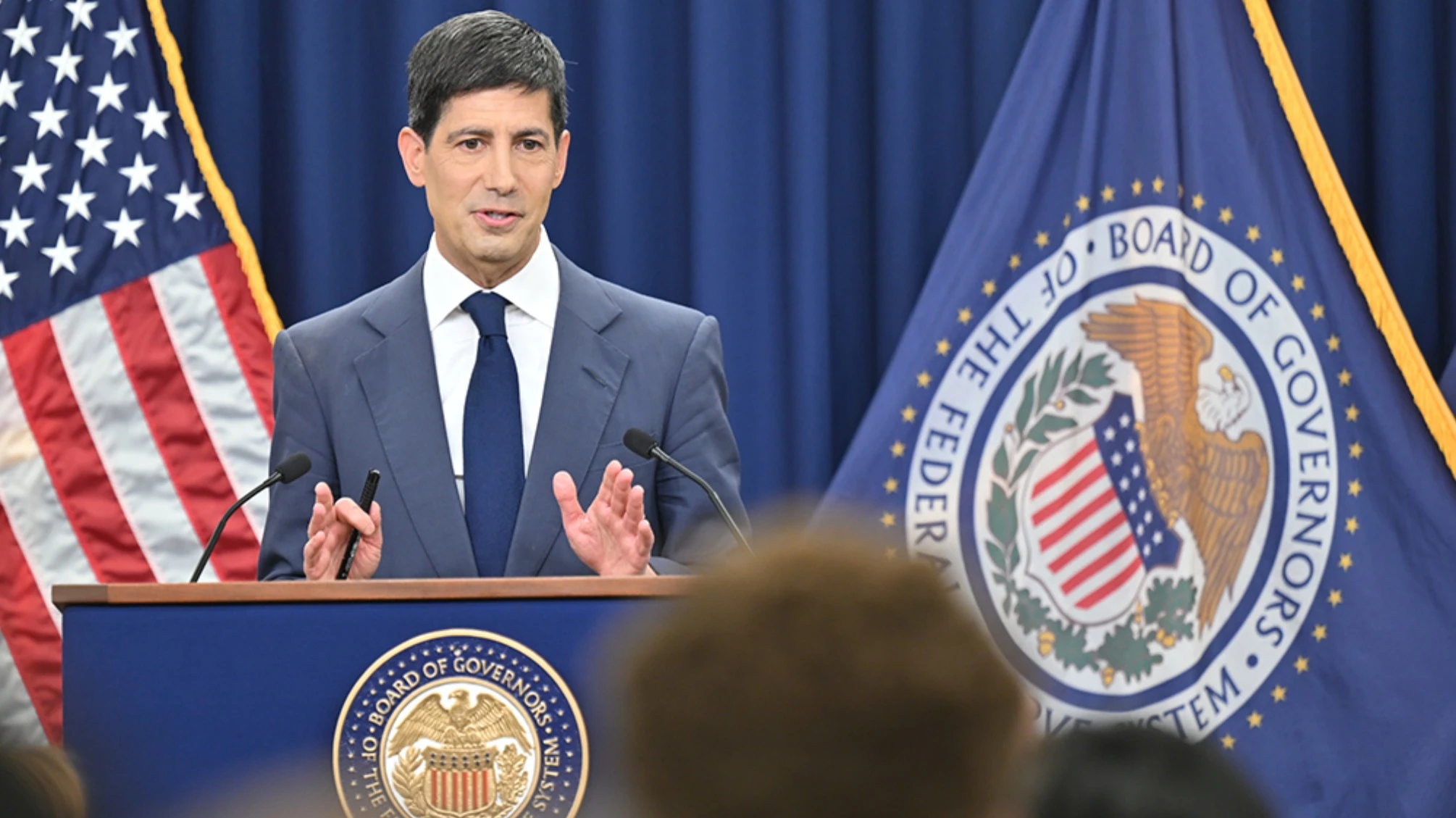
On August 28, Kevin Warsh, who took office as Fed Chair three months ago, will deliver his first speech in Jackson Hole / Photo: Federal Reserve / X
On August 28, Kevin Warsh, who assumed the position of Chairman of the U.S. Federal Reserve (Fed) three months ago, will deliver a speech at the Annual Economic Symposium in Jackson Hole. This event has become“the main focus for global markets,” notes Bruno Schneller, managing partner at Erlen Capital Management: Traders and investors around the world are trying to decipher the U.S. central bank’s underlying strategy amid persistently high inflation and unexpected interventions in the debt market by the U.S. Treasury, Reuters reports.
What Are People Expecting from Warsh's Performance?
The situation is complicated by the fact that, since taking office, Warsh has consistently avoided giving direct hints about the trajectory of interest rates, Schneller points out. Jackson Hole has become the focal point for Wall Street precisely because investors need clarity regarding the Fed’s response—the algorithm by which the regulator will make decisions—in light of the current situation, rather than yet another “"hawkish" or "dovish" statement."
Bank of America Chief Strategist Michael Hartnett notes that Warsh’s remarks could have both a negative and a positive impact on the stock, currency, and bond markets. According to BofA’s assessment, a “bullish success” scenario is possible if the U.S. central banker manages to simultaneously reaffirm a hardline stance on fighting inflation and support Treasury Secretary Scott Bessent’s efforts to curb the rise in Treasury yields, Bloomberg reports.
However, if the central bank’s “policy fails,” Treasury bond yields could surge past the peak levels recorded before Bessent announced a large-scale program to buy back long-term securities. Such a setback would hit the U.S. dollar and trigger a flight by investors from cyclical stocks to defensive sectors, Bloomberg notes.
Overall, there is still no consensus on Wall Street about what tone the regulator’s head will set, according to MarketWatch. “I don’t think anyone knows what Kevin Warsh’s guiding operational principles are,” says Jason Vayankur, chief portfolio strategist at Columbia Threadneedle Investments. “I don’t have a clear understanding of whether he himself realizes just how much the market is craving at least some guidance on his strategy,” he adds.
Steve Sosnik, chief strategist at Interactive Brokers, urges investors not to expect comprehensive answers from Warsh and expects the Fed chair’s speech in Jackson Hole to be brief.
"If I had to guess [what Warsh would say], I’d say he’d give a very general, broad overview of the [central bank’s] task forces’ work and how, in his view, the Fed should operate, rather than a detailed assessment of the economy and expectations regarding the [regulator’s] future policy path,” — noted Luke Tilly, chief economist at M&T Bank, according to CNBC.
However, Mark Kabana, head of U.S. interest rate strategy at BofA, warns: The bank fears that the lack of a clear signal regarding the Fed’s readiness to raise rates again while inflation remains high could be interpreted by the market as a “dovish” stance.
What's Happening in the Markets
Warsh's remarks come at an extremely sensitive time for the markets: the S&P 500 index is less than 1% away from its all-time closing high, even though long-term borrowing costs rose earlier this month to levels not seen in two decades. Last week, the yield on 30-year U.S. Treasuries briefly exceeded 5.3%—for the first time since 2007—prompting the U.S. Treasury to announce an expansion of its long-term Treasury buyback program. Currently, the yield on 30-year Treasuries has stabilized around 5.2%, while the yield on 10-year Treasuries stands at 4.68%.
Against this backdrop, investor caution is mounting: According to EPFR Global, the week ending August 26 saw the first outflow of capital from U.S. stocks in five weeks, totaling $4.4 billion, Bloomberg reports.
Market participants estimate the probability of a Fed rate hike at its next meeting—on September 16—at approximately 35% and are pricing in a rate hike by December, according to data from the CME’s FedWatch tool.
This article was AI-translated and verified by a human editor