A manufacturer of humanoid robots has entered the U.S. market for the first time. Its stock price immediately plummeted.

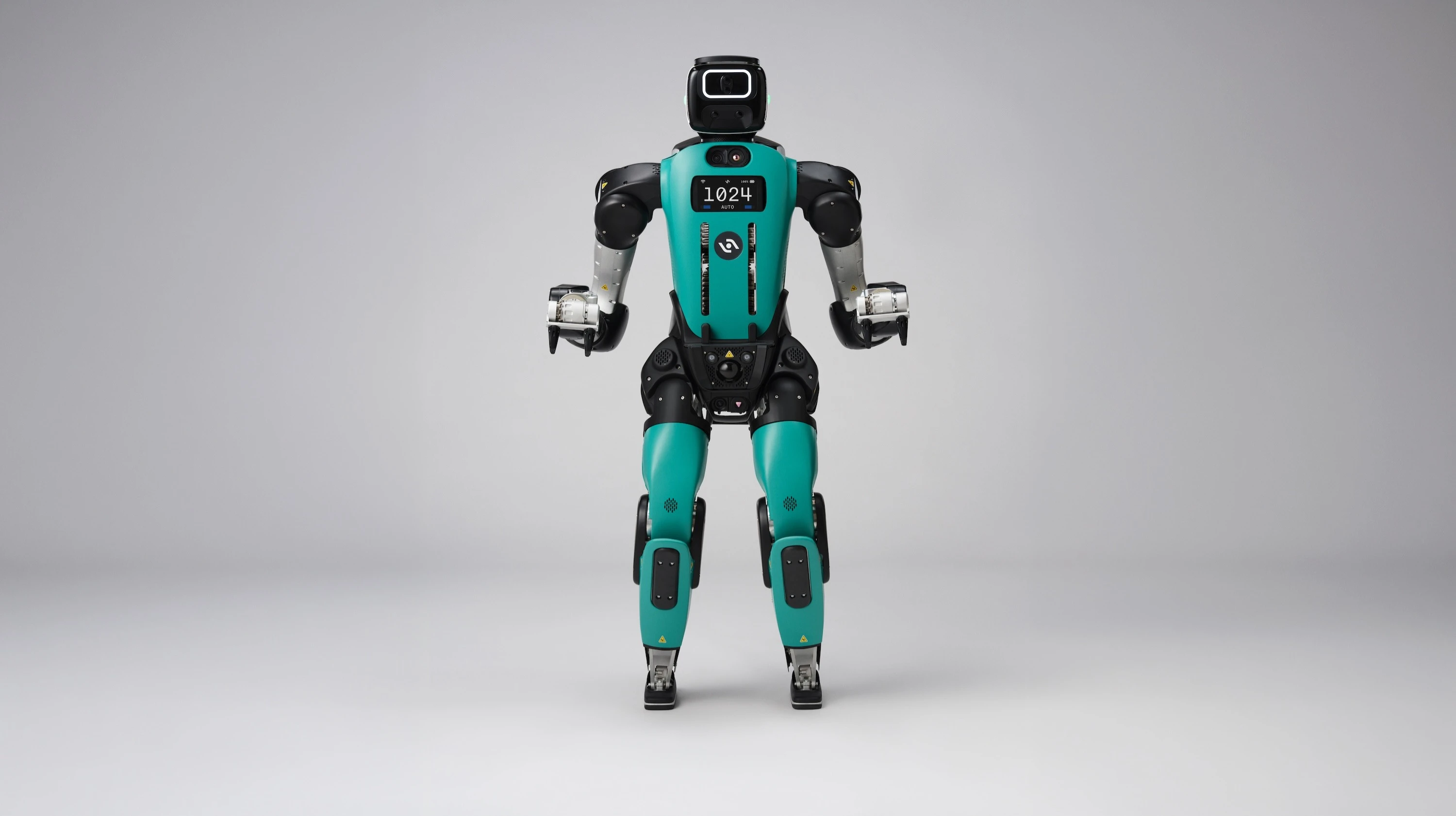
The first humanoid robot manufacturer to go public on a U.S. stock exchange opened trading with a drop of more than 12% / Photo: Agilityrobotics.com
On Thursday, November 5, the American company Agility Robotics became the first company specializing in the production of humanoid robots to have its shares begin trading on a U.S. stock exchange. The startup’s investors include Nvidia, Amazon, and Japan’s SoftBank. The debut coincided with a day of unusually sharp sell-offs in the U.S. market.
Details
Trading in Agility shares began on November 5 on the Nasdaq under the ticker symbol AGLT. The company went public as a result of a merger with Churchill Capital, a special purpose acquisition company (SPAC).
Agility shares plummeted by more than 12% during early trading amid a broad sell-off in the U.S. stock market. The Nasdaq Composite “tech” index entered correction territory, losing more than 10% from its recent record high, while the Nasdaq 100 index fell more than 5%. Nvidia shares plummeted nearly 9%, while Amazon fell 5.2%, though the decline later slowed.

What Makes Agility Special
An Oregon-based startup is developing humanoid robots for use in warehouses and industrial facilities. The company is expanding its partnership with logistics operator GXO, with plans to deploy the robots at more facilities, and is also conducting a pilot project with agricultural equipment manufacturer AGCO.
Agility expects its new Digit 5 humanoid robot model to help companies address labor shortages. Unveiled in September, the robot is capable of loading materials into machinery, sorting parts, and inspecting goods. In addition, Digit 5 can work safely alongside people, whereas previous models had to be kept behind protective barriers.
The company claims it has already secured commitments for multi-year orders of the Digit 5 totaling more than $300 million. Agility intends to build a portfolio of 100 potential customers in the automotive, retail, and pharmaceutical industries by the end of 2027. “There is a real opportunity to deploy intelligent robots in more workplaces. This will fundamentally change what machines and people are capable of when working together,” Agility CEO Peggy Johnson said in an interview with Bloomberg. She cited a 2024 Deloitte study, according to which the number of unfilled job openings in U.S. industry could reach 1.9 million by 2033.
In late October, the company announced that it would use the Digit 5’s embedded computing resources, based on NVIDIA Thor technology, and expand the integration of NVIDIA Halos security technology. Under the terms of the agreement, the chipmaker will become the exclusive software supplier.
Context
Agility’s IPO will be a significant milestone for the humanoid robotics industry, which has yet to prove its commercial viability, according to Bloomberg. China’s Unitree Robotics held an IPO in Shanghai in August, but Agility became the first company in this sector to go public on the U.S. stock market.
Johnson acknowledged that being a pioneer imposes additional responsibility on the company: investors and competitors will be watching not only its financial results but also its safety metrics. The company plans to improve the robots through remote software updates and data collected during their operation. “The more data [is collected] as the deployment of the robots expands, the more actively they will drive the cycle of further learning,” Johnson said.
However, humanoid robots still face technological limitations. In particular, models with legs are less predictable and may pose a greater threat to human safety than similar wheeled devices, Bloomberg notes.
In February 2026, Barclays analysts published a report titled “The Decade of Robots,” in which they stated that the market for robots with artificial intelligence and autonomous vehicles could grow to $1 trillion by 2035. China dominates the deployment of humanoid and industrial robots. In 2025, 15,000 such robots were put into service, with China accounting for about 85% of that total; in industrial automation, the country’s share is 50–60%.
This article was AI-translated and verified by a human editor