Robot market could grow to $1 trillion, says Barclays. Which stocks does it choose?
Self-driving cars will be at the head of the trend

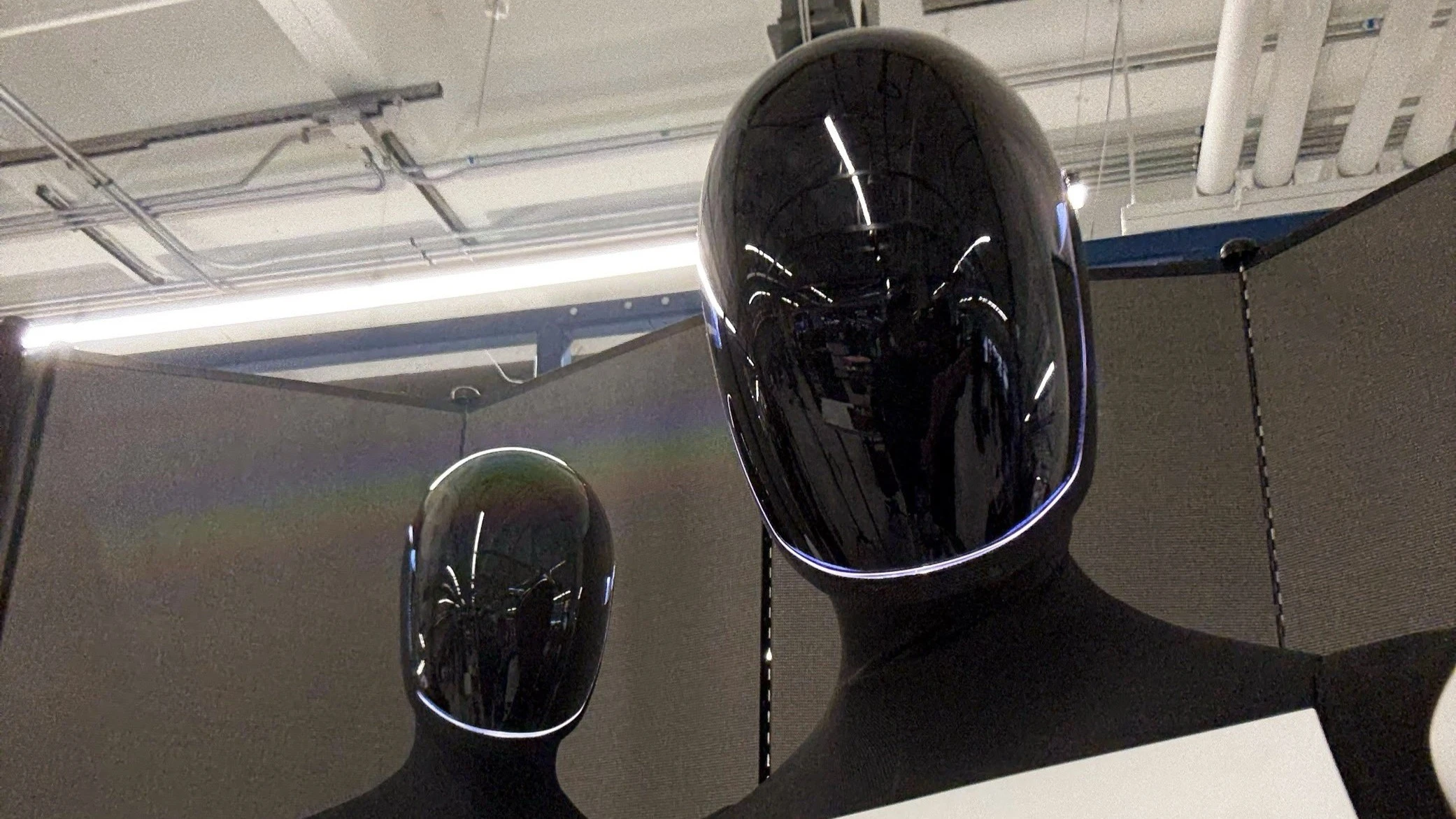
Robot market could grow to $1 trillion in 2035/ Photo:x.com/Tesla_Optimus
The market of robots with artificial intelligence and autonomous cars may grow to $1 trillion by 2035, Bloomberg writes with reference to the report "The Decade of Robots" by Barclays analysts. They named several stocks to watch out for.
Details
Barclays' estimate of $1 trillion is about ten times higher than the current "physical AI" market valuation, Zornitsa Todorova, head of Barclays' analyst group, said in an interview with Bloomberg Tech. Autonomous cars will account for about 50% of the projected growth, she said. In addition, according to Barclays, drones and more sophisticated universal humanoid robots will play a crucial role, Bloomberg quoted the report as saying.
Todorova believes that the automotive segment has a technological advantage: the technology has been developing for almost a decade, builds on the existing supply chain and utilizes massive amounts of real-world data collected from millions of vehicles.
"We see automakers emerging as potential major market participants, along with the growing adoption of robotic systems in warehouses, logistics and retail," Barclays analysts wrote (quoted by Bloomberg).
At the same time, humanoid robots are still lagging behind due to the lack of data for physical AI, Todorova said in an interview. Unlike digital models, they must take into account the laws of mechanics and physics when interacting with the real world, and there is no universal base of such physical parameters yet, she explained.
"Advances in intelligence, physical strength and batteries are taking AI-enabled robotics to a tipping point, setting the investment agenda for the next decade," Barclays analysts wrote in a Bloomberg note.
Who will be the main beneficiaries
China now dominates the deployment of humanoid and industrial robots, with 15,000 such robots deployed in 2025, according to Todorova, with about 85% coming from China, and the country's 50-60% share in industrial automation. China's advantage also stems from its access to critical minerals and rare earth elements used in the production of robotic components. Compared to China, the U.S. is much lower, at low double-digit or even single-digit levels, Todorova said in an interview with Bloomberg.
Nevertheless, Barclays analysts have identified about 200 public companies that could be involved in the trend over the next decade, including 100 with corporate bonds outstanding, Bloomberg quoted a Barclays report as saying.
Among the potential beneficiaries, the report names Mercedes-Benz Group, which is using Nvidia's technology to retool factories, Tesla, which is placing a heavy emphasis on robots, and Amazon, which is "building a broader ecosystem" through technology development, Bloomberg writes.
In addition, Barclays analysts pointed to software and hardware suppliers TSMC, Samsung Electronics and Nvidia.
Another area is "robot hardware and motion systems for physical tasks" along with batteries: here, analysts named Chinese manufacturers including EVE Energy and Contemporary Amperex Technology.
This article was AI-translated and verified by a human editor