Bloomberg: Microsoft Has Stepped Up Oversight of Transactions Involving Nebius, IREN, and Other Non-Cloud Companies
The IT giant is frustrated by challenges in data center construction and is building its own computing infrastructure

Microsoft was one of the main clients of neo-clouds, securing contracts worth billions of dollars for them / Photo: ArDanMe / Shutterstock.com
Microsoft has stepped up oversight of data center projects being built by third-party providers of AI computing power under contracts with the company—specifically, Nebius Group, IREN, and Nscale, Bloomberg reported, citing sources. Microsoft was one of the main drivers of the “neo-cloud boom,” signing contracts worth tens of billions of dollars, but its relationship with its partners has now deteriorated, the agency claims. Amid these reports and a broad sell-off of AI-related stocks, shares of IREN and Nebius fell by approximately 20% on Thursday, November 5.
Details
Microsoft has begun to abandon projects it considers risky, and its leadership is holding internal discussions about whether to enter into new deals with neo-clouds, sources told Bloomberg. With neo-cloud providers facing project delays, regulatory hurdles, and high costs, some key Microsoft executives have become more cautious about the industry, the agency reports.
In recent months, Microsoft has begun sending its employees directly to necloud construction sites to ensure that construction complies with its specifications and regulatory requirements, Bloomberg learned from the company’s job postings and sources. For example, Microsoft representatives were present at the Nebius site in New Jersey—which was fined $1 million for operating generators without permits—as well as at the Nscale and IREN projects in Texas, the agency reports.
Microsoft manages its relationships with infrastructure partners “by focusing on our requirements and customer requests, including monitoring delivery timelines and adjusting plans as circumstances change,” a company spokesperson told Bloomberg. He called this “a normal and responsible practice for managing large, complex infrastructure projects.” IREN declined to comment to the agency.
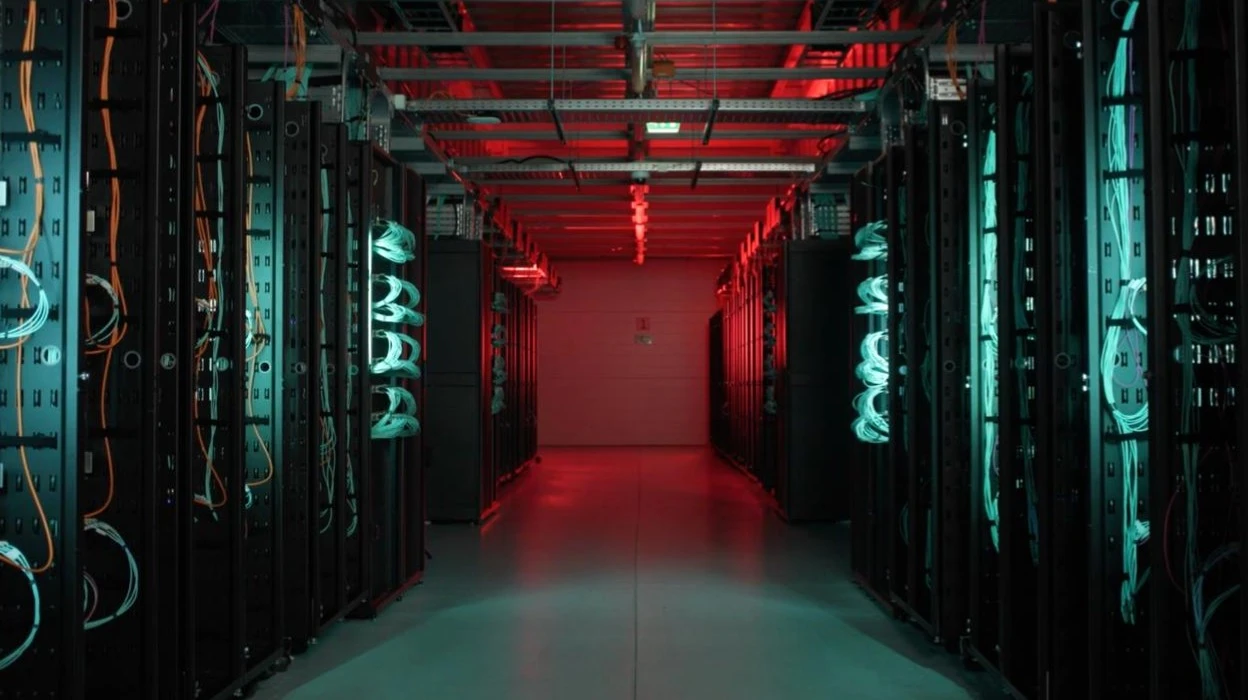
How Microsoft's Relationship with the Neocons Has Deteriorated
Delays in the delivery of capacity from third-party contractors are disrupting the company’s spending plans, Microsoft CFO Amy Hood said in a conversation with investors following the release of the company’s financial results in late October. This marks the third time she has raised this issue during quarterly earnings calls, according to Bloomberg.
Among the recent issues are difficulties with laying cables at the IREN facility under construction in Texas, a generator fire at that site in April, and delays in equipment deliveries, according to Bloomberg. Last week, representatives from Microsoft and IREN discussed a revised schedule that could push back the project’s completion date by several weeks or months, according to sources familiar with the matter.
Microsoft has scrapped several projects with Nscale, the most valuable British AI startup. The company walked away from a potential multibillion-dollar deal to expand its computing capacity in Texas, the Financial Times reported on November 5. Bloomberg reported the same news. Microsoft also withdrew a letter of intent to lease 1.35 gigawatts from Nscale in West Virginia, the agency reported. And in October, Microsoft canceled a deal with Nscale worth about $3 billion for a data center in the UK due to years of delays in connecting to the power grid, according to its sources.

According to Bloomberg’s estimates, Microsoft has signed contracts with non-cloud providers totaling more than $80 billion. The largest contracts are with Nscale (up to $43.8 billion), Nebius (up to $19.4 billion), and CoreWeave (more than $10 billion). Microsoft is currently focusing on expanding its own data centers rather than signing new contracts with neo-cloud providers, sources told Bloomberg. According to them, Microsoft is not completely ruling out such deals, but many executives have expressed strong reluctance to enter into them.
Context
Microsoft was one of the first and most important customers of the nascent neo-cloud industry. It signed major contracts with companies such as CoreWeave and Nscale, which allowed them to scale up rapidly, despite Microsoft’s own extensive network of data centers. Nebius signed a multi-year agreement with Microsoft in September 2025.
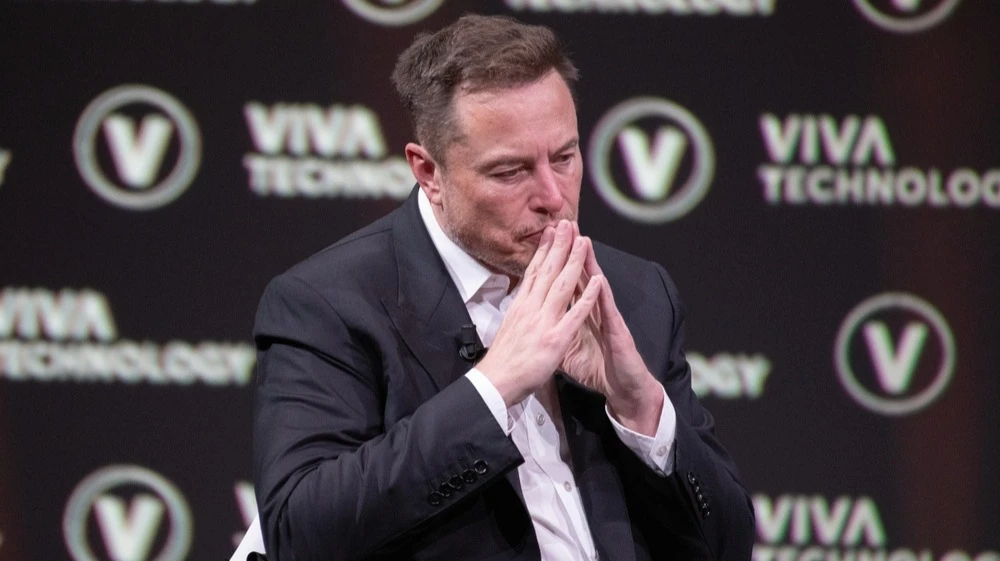
Concerns about the sustainability of the neo-cloud business model have intensified in recent weeks. According to estimates by the research firm Gartner, by the end of the decade, 80% of providers of such cloud computing services could be acquired by competitors or go out of business. SpaceX CEO Elon Musk, whose company also sells computing power, offered a similarly pessimistic forecast, warning of a “mass extinction” of neo-clouds due to difficulties in securing funding. As The Wall Street Journal reported, neo-cloud companies have effectively lost access to the bond market.
Another cause for concern this week was the victory in the gubernatorial elections of Democratic candidates who had made stricter regulation of data centers a central part of their campaigns.
This article was AI-translated and verified by a human editor