A Strategy That's Rarely Used: Ray Dalio on Investment Rules in the AI Market

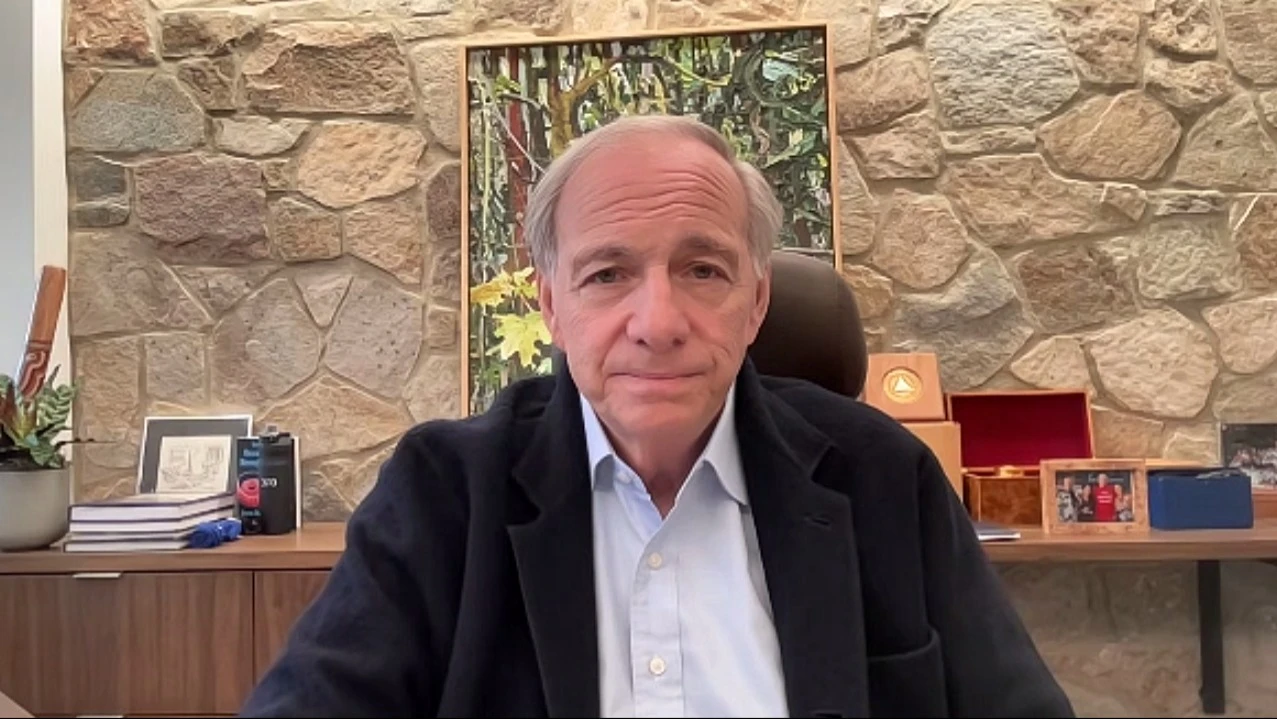
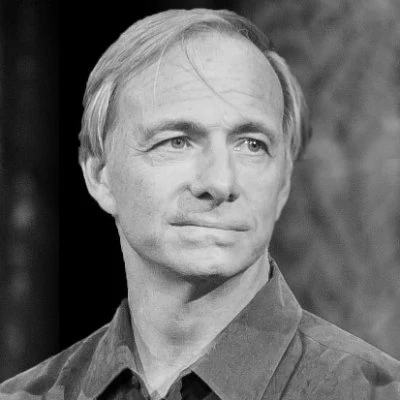
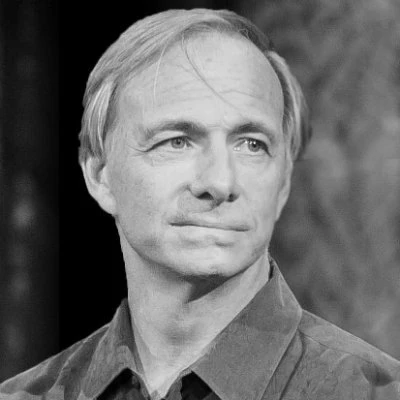
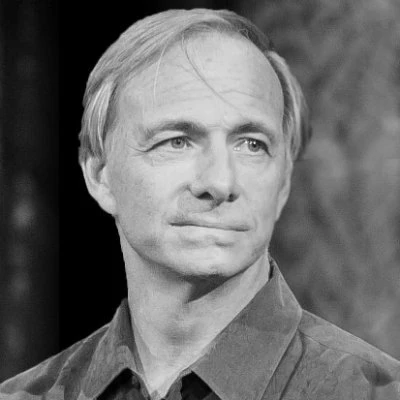
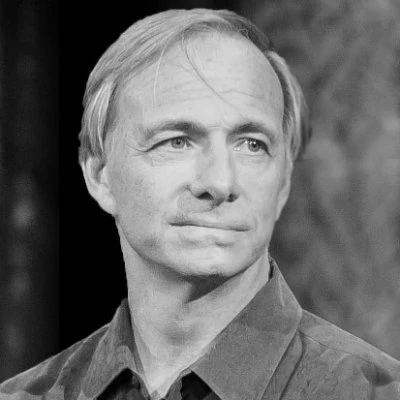
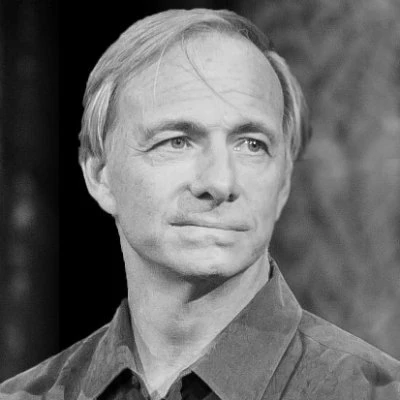
Dalio believes that future returns on investments in the AI sector may not meet investors' expectations / A screenshot from Dalio's online meeting with users of his chatbot
Ray Dalio believes that the market, which has become obsessed with artificial intelligence, is increasingly dependent on a small group of technology companies. On social media platform X, he wrote that, combined with geopolitical uncertainty and U.S.-China competition, this concentration in the sector increases risks for investors. The founder of Bridgewater Associates believes it is important for market participants not to confuse enthusiasm for AI technology itself with the actual investment appeal of stocks—and he proposes a portfolio-building strategy that, he says, is rarely used.
Where We Are Now: Dalio's Perspective on the AI Sector
According to Dalio, the current market has become overly dependent on a very limited group of technology companies involved in artificial intelligence—which account for a significant share of the market’s total market capitalization.
"The new technology sector is the focus of a great deal of hype, uncertainty, and volatility, which is being felt in stock markets around the world. Therefore, the fluctuations and uncertainty surrounding this sector are of immense importance."
Dalio suggests that future returns in the AI sector may fall short of expectations. He bases his assessment on his own calculations of asset values and the metrics of the bubble indicator he developed.
“The real return on stocks over the next 5–10 years will range from -5% to -10%, although this range remains highly uncertain. In my view, these stocks are assets with a long-term payback horizon, and therefore carry very high risk: it is practically impossible to look far into the future with sufficient certainty; the stocks themselves appear overvalued and are currently concentrated in ‘weak hands.’”
Moreover, as Dalio points out, technology booms rarely unfold without sharp fluctuations: at first, investors price in expectations of a bright future; then, fear or disappointment causes some market participants to sell these securities, which amplifies market volatility.
China, Historical Patterns, and Other Risks for AI
Dalio believes that high risk is inherent in the very nature of disruptive technology companies: in the early stages, it is difficult to tell who will succeed and who will fail.
“We see that even the best revolutionary companies that have succeeded in the long run, such as Microsoft or Apple, have suffered complete collapse at certain stages. When these new tech companies were just emerging—if we don’t look back with the benefit of hindsight—it was by no means easy to predict which ones would succeed and which would fail, as happened, for example, with IBM.”
In addition, the sector is influenced by major external forces that drive the entire market: government debt, new taxes, central bank policies, conflicts and wars, natural phenomena, and the likelihood of new technologies emerging that are currently impossible to imagine.
Another risk investors need to consider is competition in the AI race, particularly from China. Dalio believes that Beijing could promote AI on the global market in the same way it has promoted automobiles, solar panels, and batteries—by making the technology cheap in order to boost productivity. And China has leverage over the sector: Dalio suggests that if the situation surrounding Taiwan escalates, Beijing could block the export of chips from the island.
The Holy Grail of Investing
Dalio believes that, amid the AI boom, investors have three possible courses of action: increase their exposure to the technology sector or to a few companies beyond their actual weight in the index; maintain their positions at the index level; or diversify their portfolio. He is convinced that no one can say for certain what will happen in a technology-driven market, and the best way to deal with this uncertainty is to avoid concentrating holdings.
“As you probably know, my main mantra is diversification, and my ‘holy grail of investing’ is to assemble 15 reliable, uncorrelated assets and balance them in terms of risk.”
Dalio is convinced that if a portfolio is diversified and tailored to the appropriate level of risk, it can generate higher returns than any concentrated investment.
“This is my ‘not-so-secret’ method for achieving investment success. Nevertheless, I very rarely meet investors who think in these terms. Very few give any thought to portfolio construction—or to how a diversified approach would fare against a concentrated position in stocks of a new, world-changing industry. Most people think only about whether these stocks and the sector as a whole will rise and how to bet on them.”
This article was AI-translated and verified by a human editor