Apple's Short-Lived Triumph, Non-Banks Battle for Colombia, and a Dinosaur Worth Millions of Dollars
This Week's Highlights on Oninvest

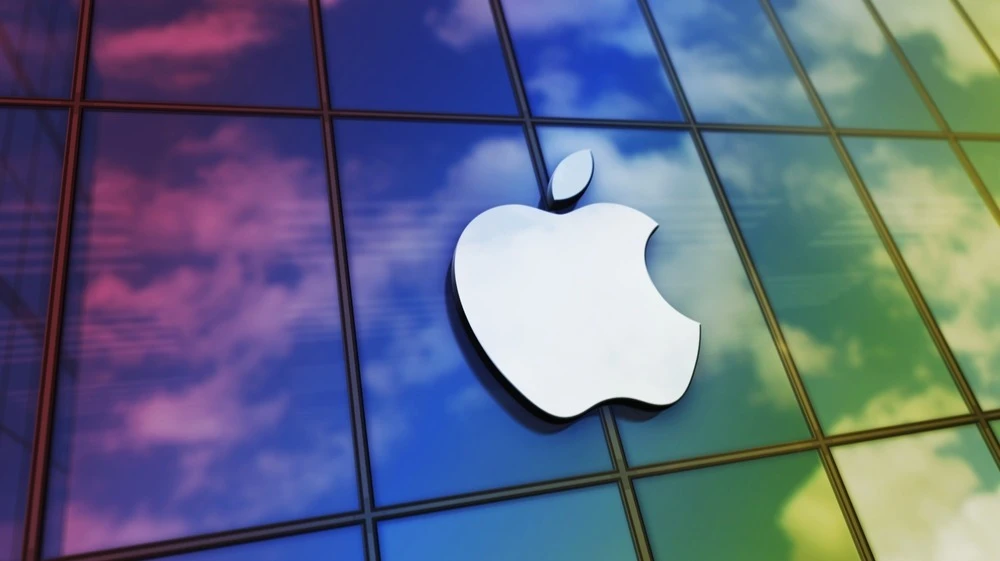
Due to a shortage of components, Apple raised prices on Mac computers and iPad tablets in June. Photo: Skorzewiak / Shutterstock
Despite the typical summer lull, it turned out to be a busy week. We've rounded up the highlights and the most interesting stories.
The "Apple" of Discord Between Analysts and the Company
Apple managed to be both a winner and a source of disappointment this week. First, the company’s stock briefly surpassed a market capitalization of $5 trillion, and then, following the release of its quarterly earnings report, it plummeted nearly 8% during trading.
We ’re analyzing what investors didn’t like. The main issue is that the revenue forecast for the current quarter fell short of analysts’ expectations. CFO Kewan Parekh directly cited the reason: supply constraints on memory chips. And yet, back in June, Apple had already raised prices on Macs and iPads.
It’s worth noting that this is Tim Cook’s final report as CEO—he will be succeeded by John Turnus in September. His final quarter is shaping up to be a tense one so far.
Payment via Revolut
In the fintech world, a new battleground is taking shape for two neobanks with Russian roots. Mexico’s Plata, founded by former Tinkoff Bank executives, has announced its launch in Colombia. The country ranks third in Latin America in terms of the number of fintech companies—about 700, compared to roughly 1,100 in Mexico and more than 1,500 in Brazil.
Meanwhile, Nikolai Storonsky has already begun building Revolut’s business in Colombia. Yulia Petrova explores why Colombia is so attractive to fintech companies and what risks financial institutions face in the country.
A Not-Quite-Mainstream Luxury Piece from Cartier
Richemont reported its results for the first quarter of fiscal year 2027: sales rose 20%, exceeding market expectations of 11%. What drove this growth?
The jewelry segment, led by Cartier, grew by nearly a quarter—twice as much as forecast. This marks the seventh consecutive quarter of double-digit growth. High-end luxury items, such as a million-dollar necklace, account for less than 15–25% of sales. The real driver is slightly more affordable jewelry (costing just a few thousand dollars) such as the Love Bracelet and Trinity, which are given as gifts for weddings, graduations, and birthdays.
Hermès is in a league of its own: its operating margin is over 40%, compared to Richemont’s 20%, and the premium on Birkin bags rose from 25% to 45% above the retail price in a single quarter. The question here is: which business model does the market value more—a scalable one, like Richemont’s, or a model based on artificial scarcity, like Hermès’s? Let’s examine both strategies.
"Allergic" to Mergers
Micro-cap biotech company Processa Pharmaceuticals announced a merger with privately held Vidya Therapeutics. Vidya Therapeutics is developing VT-7208, a drug that could be used to treat food allergies and multiple sclerosis.
It would seem that a merger is a positive sign—expanded opportunities, synergy—but… No—the market reacted with a 33% drop in the company’s stock on July 29, and in pre-market trading the next day, the stock lost nearly another 9%. Maria Dranishnikova investigated what was behind this sell-off. Perhaps investors are averse to mergers?..
"Odyssey" by Annual Revenue
While Apple has disappointed with its forecasts, IMAX has confirmed its revenue projections for this year. And it appears this is thanks to Christopher Nolan and his “Odyssey.” The film was released on July 17 and, in ten days, grossed a record $652 million worldwide for the company. But that figure does not yet include China, South Korea, and Japan, where the film will not premiere until the fall.
Eight out of 13 analysts raised their price targets for IMAX shares following the premiere, and the average target price is now $50.5. However, there are risks to this story: IMAX’s weak release schedule through November and the leak of a copy of the film online. We are working with analysts to assess whether the company will be able to deliver on its promises for 2026.
The Notorious Acquisitions of Wall Street Legends
Let’s get to the mystery of the day: why would my colleague Anna Krasnova bring up her athletic past to write an article about an investment guru? It’s because Wall Street legends spend their fortunes not only on yachts and mansions, but also on soccer clubs and baseball teams. Some have even “gone broke” buying dinosaur skeletons. My colleague has compiled a list of some of the billionaires’ most unusual purchases.
What else did we write about this week?
— The Fed left the interest rate unchanged for the fifth consecutive time—at 3.5–3.75 percent—while three members of the Monetary Policy Committee voted to raise it;
— Microsoft's stock soared following a strong earnings report, adding about a billion to the company's market capitalization in a single day;
— Meta, on the other hand, fell nearly 10% amid rising AI expenses. Our colleagues explain why such a critical contemporary issue has become a source of negative sentiment.
This article was AI-translated and verified by a human editor