Firmus’ canceled listing is said to ‘raise the bar for any IPO’

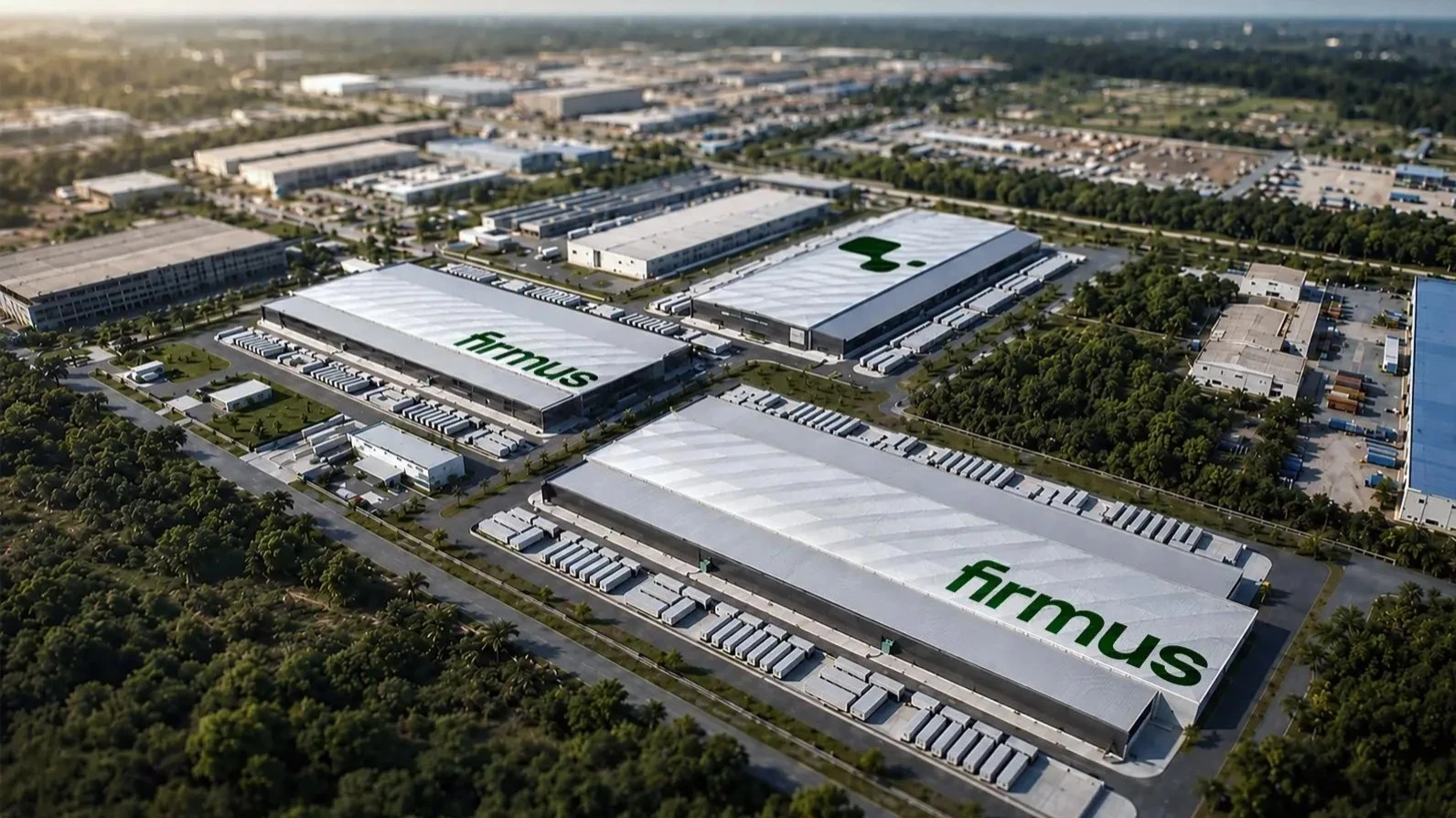
Investors are beginning to scrutinize AI-related offerings more closely / Photo: Firmus
The cancellation of Nvidia-backed Australian data center operator Firmus Grid’s IPO is reverberating through Asia’s booming market for share sales, Bloomberg reports. After more than a year of deals to fund the AI infrastructure buildout, investors have become much more selective about projects whose valuations hinge on future earnings.
Details
IPOs, secondary offerings, and block trades (sales of large stakes in publicly traded companies, typically to institutional investors) have raised almost $250 billion for companies in the Asia-Pacific region since the beginning of the year, on top of around $260 billion in 2025, according to Bloomberg data.
However, signs of growing unease have emerged. Shares of Apple supplier Luxshare Precision Industry have plunged almost 20% in Shenzhen since the beginning of January, while AI infrastructure developer Zhongji Innolight has fallen around 7% since its Hong Kong listing in July. Chinese AI model developers Z.AI and MiniMax have tumbled more than 70% and 80%, respectively, from their all-time highs.
Investors are beginning to draw a clear line between companies with a proven track record that can monetize their products and those at an earlier, more cash-intensive stage of their life cycle, Bloomberg argues. “It’s investors asking who pays for it, and at what cost of capital,” said Max Herron-Vellacott, a portfolio manager at Sydney-based Private Portfolio Managers, referring to the AI infrastructure buildout. “This raises the bar for every deal, and investors will be far less forgiving of optimistic assumptions.”
For data center operators such as Firmus, the dividing line is between operating facilities that generate immediate returns and new multi-gigawatt projects launched with billions of dollars in debt financing, said Winston Ma, executive director of the Global Public Investment Funds Forum at NYU School of Law and a partner at Dragon Global Family Office.
Firmus’ withdrawal is a clear signal that public markets are repricing AI infrastructure, he said. “In Asia, where much of the next wave of AI data-center capacity is expected to be built, this raises the bar for any IPO. Sponsors will need stronger contracted off-take, clearer visibility on energized megawatts, and more conservative leverage assumptions.”
What else market participants are saying
“Firmus wasn’t generating revenue and lacked a track record,” said Sumeet Singh, head of equity research at Aequitas Research Pvt. “It’s similar to the likes of SB Energy and Nscale in the US, where the money is being raised now while the actual revenue will only start flowing through after a few years.” (SB Energy is SoftBank’s renewable energy subsidiary; Nscale is an AI cloud and infrastructure provider – Oninvest.)
Growing local opposition and negative sentiment around data center construction increase the execution risks for such projects, reckons Hans Stege, head of investment research at PrePublic Equity Partners. This may also affect the discount rate investors apply to the substantial headline figures for future capacity that is under contract but has yet to be built, he added.
While investors are scrutinizing pure-play data center developers more closely, hardware and chip manufacturers still enjoy market support, Bloomberg writes. AI-linked companies such as printed circuit board makers and memory chip producers that are already reporting profits will see little impact, Singh believes. Printed circuit board maker Suzhou Dongshan Precision Manufacturing began gauging investor interest on Monday for a Hong Kong listing that could raise up to $3 billion, as reported by Bloomberg.
About Firmus
Much of Firmus’ valuation rested on the prospect of building a network of data centers across Asia for giants such as Meta Platforms and OpenAI, Bloomberg notes. The Australian company started out as a bitcoin miner in 2019 before shifting to AI infrastructure. However, only a small portion of its stated project pipeline of 912 megawatts, just 46 MW, has been brought into operation.
The company signed a series of major contracts and secured $2 billion in investment commitments from a pool of investors that included Nvidia and Blackstone. In September, Firmus announced a series of agreements with Meta.
The company planned an IPO on the Australian Securities Exchange in October, but canceled the listing early in the month after considering “recent market volatility and prevailing market conditions.” Its board determined that the proposed offering terms did not reflect its long-term growth prospects. Firmus had hoped to raise $5.5 billion at a valuation of more than $30 billion.