"It's a Matter of Lost Trust": Chipmakers Lost More Than $1 Trillion in Market Capitalization in Two Days
The decline in chipmakers' stock prices is driven more by investor sentiment than by fundamentals, according to Michael Field, Morningstar's chief equity strategist

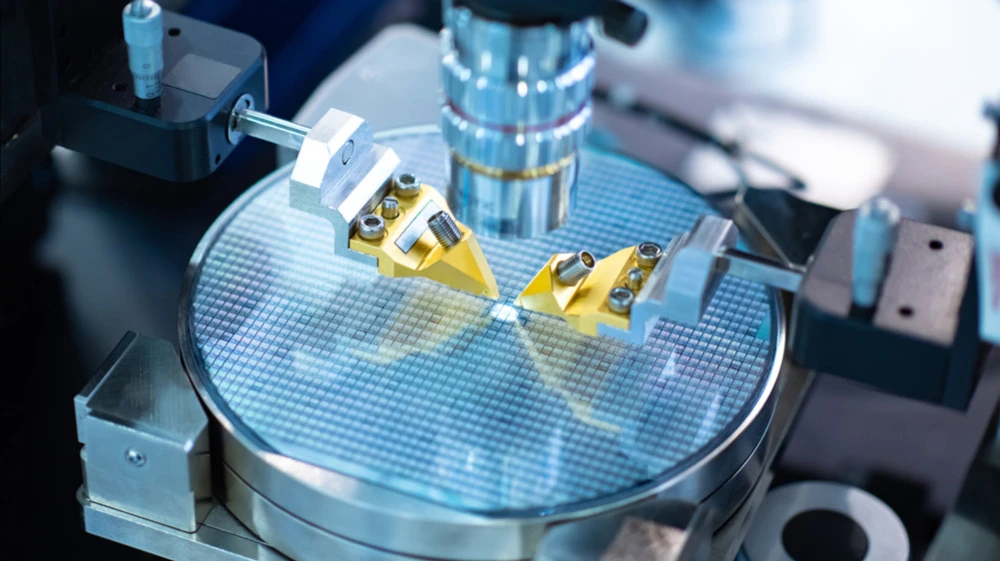
The combined market capitalization of the world's 20 largest chipmakers has fallen by $1.3 trillion since the close of trading on Friday / Photo: FOTOGRIN / Shutterstock.com
The market value of the world's largest chipmakers fell by $1.3 trillion this week, according to CNBC. Investors are concerned about whether hyperscalers will be able to keep up with the high demand for components, the network reports.
Details
The combined market capitalization of the world’s 20 largest chipmakers has fallen by $1.3 trillion since the close of trading on Friday, according to a CNBC analysis based on FactSet data. Nvidia led the sell-off, with its market capitalization falling by $238 billion between Friday’s close and the start of trading on Wednesday. SK Hynix, Samsung Electronics, and Micron—key players in the memory market—lost more than $176 billion, $173 billion, and $113 billion in market value, respectively. AMD lost about $110 billion in market capitalization, while TSMC lost $119 billion.
The Philadelphia Semiconductor Index, which tracks the 30 largest companies in the sector whose shares are traded in the U.S., has risen 92% over the past 12 months, despite a drop of nearly 20% over the past month. July could be its worst month since September 2001, according to MarketWatch.
During Wednesday's trading session, chipmakers' stocks continued to decline: Nvidia shares fell 2.8%, Intel shares fell 3.6%, and AMD shares fell 5.7%. Micron shares fell 5.6%, and SanDisk shares fell 6.8%. SK Hynix American Depositary Receipts (ADRs) fell 2.4%.

What's Happening in the Markets
In Europe, shares of ASML, a manufacturer of chip-making equipment, fell 3%, as did those of ASM International. Shares of BE Semiconductor Industries dropped nearly 5%.
In Asia, semiconductor manufacturers led the sell-off following another weak trading session in the U.S. the previous day. In South Korea, SK Hynix shares fell 9.6% after the semiconductor giant failed to meet analysts’ expectations, despite record quarterly revenue and profit. Samsung Electronics shares lost more than 5%, LG Innotek shares fell 10.9%, and Seoul Semiconductor shares dropped 8.9%. Shares of Japanese chipmakers also declined: shares of computer memory manufacturer Kioxia fell 13.6%, and Tokyo Electron’s shares fell 10.6%. SoftBank Group, considered one of the key plays for investing in AI thanks to its stake in Arm, lost nearly 7%.
Shares of Taiwan-based TSMC, the world's largest contract chip manufacturer, fell 3.5%.
In mainland China, the ChiNext 300 technology index rose 1.43%, while the Hang Seng China Semiconductor Chips Index fell 2.5%. Chinese internet companies whose shares are traded in Hong Kong bucked the overall negative trend in the region. Tencent and Meituan shares rose 4.3% and 2%, respectively. Shares of Alibaba, Baidu, and Kuaishou also traded in positive territory.
What Analysts Are Saying
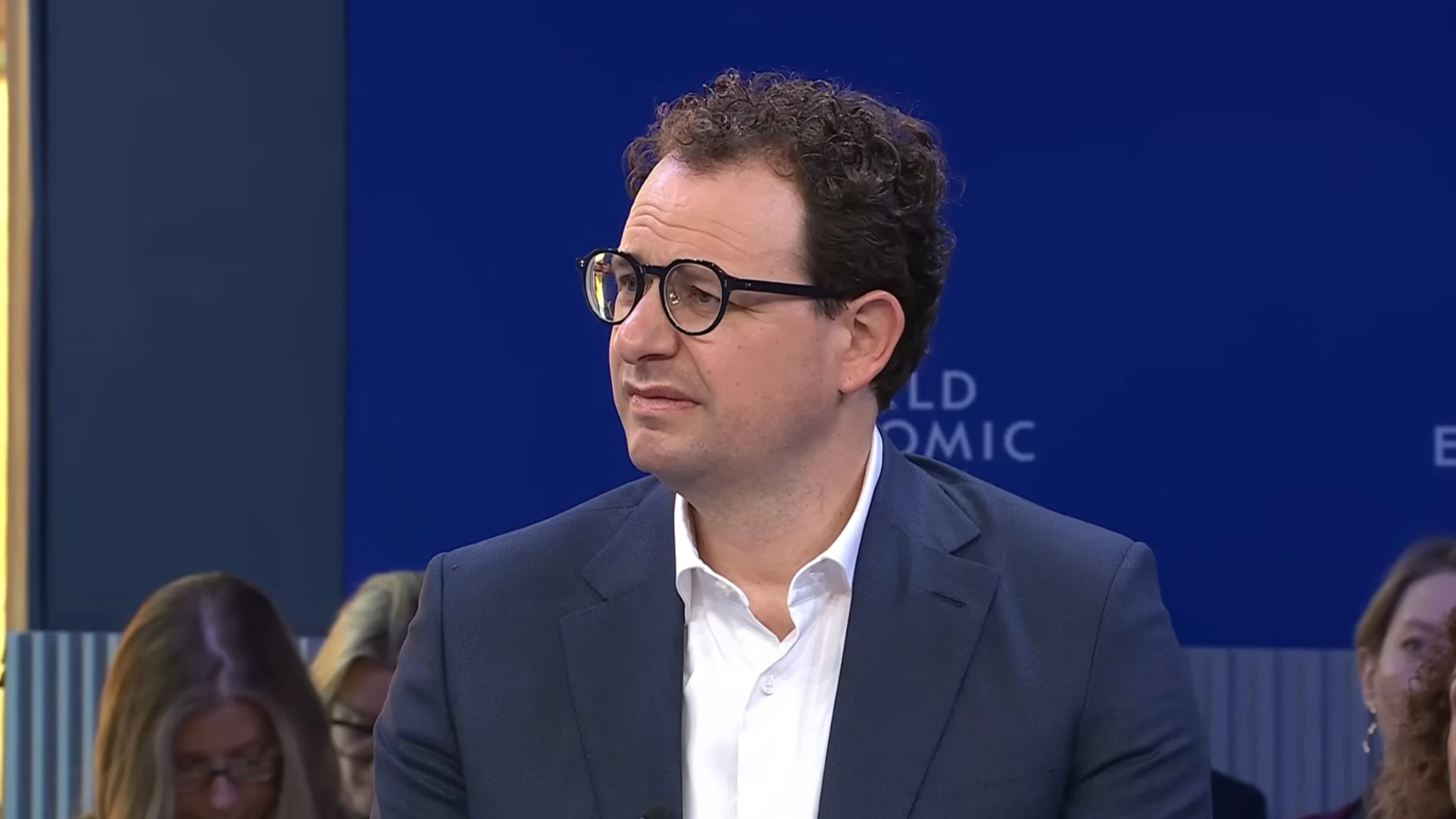
“It appears that this decline is largely driven by investor sentiment rather than fundamentals,” CNBC quotes Michael Field, Morningstar’s chief equity strategist, as saying. “Simply put, it’s a loss of confidence.” According to him, Morningstar still sees growth potential in many companies related to artificial intelligence. “However, these are growth stocks, and since a significant portion of their value is determined by cash flows in the distant future, investors need a great deal of faith,” Field concluded.
The sell-off reflects concerns that spending on AI infrastructure may “peak sooner than expected,” Forrester Vice President and Principal Analyst Charlie Dai explained to CNBC. Last week, Alphabet announced that it would raise its capital expenditure forecast for 2026 as it seeks to accelerate the construction of new AI infrastructure. “Investors are reassessing whether near-term revenues can justify unprecedented spending on AI. Some are also concerned about intensifying competition in chip manufacturing and AI infrastructure,” Dai noted. However, he added, the sell-off is linked “not so much to a weakening of demand for AI as to a reassessment of expectations following an exceptionally strong rally.”
The decline in shares of Asian chipmakers reflects “the ongoing process of unwinding short positions in Korea and a deterioration in sentiment toward global tech stocks,” wrote Kiron Pun, director of Asian equity investments at Aberdeen Investments, whose note was cited by CNBC. He noted that this volatility has not changed his company’s “positive long-term outlook” on the sector: Aberdeen views the sell-off in chipmakers as an opportunity rather than as evidence of deteriorating fundamentals.
"Investors are 'shaking off some of the froth that has built up in the AI market,'" said David Riedel, founder and president of Riedel Research Group, on CNBC's *Squawk Box Asia*. According to him, although concerns about AI funding and increased competition from China have weighed on sentiment, “the market remains healthy.” Memory chip manufacturers “will be fine,” but they “will simply have to give back some of that sudden growth,” Riedel added.
This article was AI-translated and verified by a human editor