"AI Consultant Riding the FOMO Wave": Burry Expects Palantir's Stock Price to Fall by a Factor of Four
A well-known short seller believes that Palantir is more like a consulting firm than a software developer

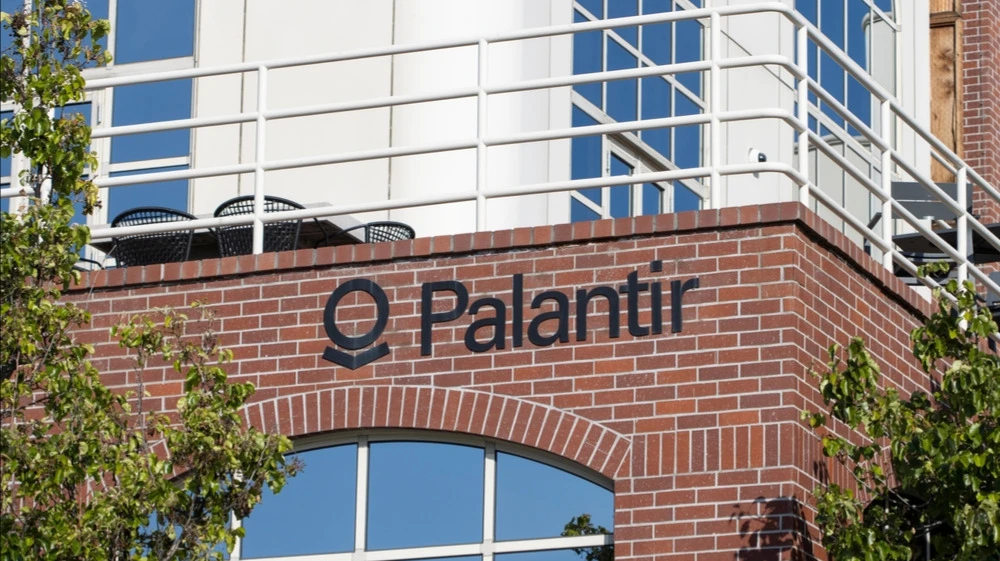
A well-known short seller predicts that Palantir's market capitalization will fall from $440 billion to less than $100 billion / Photo: Tada Images / Shutterstock.com
Investor Michael Burry, known for the book and film *The Big Short* about the 2008 mortgage crisis, issued a “bearish” forecast for Palantir stock. The short seller criticized the company’s valuation, its business model, its accounting practices, its stock-based compensation for employees, and CEO Alex Karp’s expenses, according to Seeking Alpha.
Details
“Palantir is back in the stratosphere,” Burry wrote on the social media platform X. “The facts haven’t changed.” He had previously warned of the company’s possible collapse. Now the investor believes that Palantir’s market capitalization could eventually fall below $100 billion—more than four times lower than the current $407 billion.
According to Burry, Palantir is more like a consulting firm than a software developer. “Palantir is a consultant that has capitalized on the demand bubble driven by FOMO (fear of missing out— Oninvest) surrounding AI,” he wrote.
Burry believes Palantir’s metrics are more similar to those of the consulting firm Accenture than to those of Salesforce and ServiceNow, which operate on a subscription model. Specifically, the investor notes that Palantir’s ratio of deferred revenue (revenue that is billed but not yet collected) to actual revenue is about 32%—comparable to Accenture’s (approximately 31%). In contrast, the software developers he cites as examples range from 80% to 207%. “Palantir simply isn’t what it claims to be,” said Burry. He called this comparison a “blow to the gut” for Palantir’s portrayal as a software company.
According to the investor, even if the cycle of corporate spending on AI continues for several more years, “the decline will be just as dramatic—or even more severe.”
Palantir Accounting Department
Burry cited the growth in Palantir’s accounts receivable as another cause for concern. As of June 30, it had risen to $1.49 billion from $1.04 billion at the end of 2025. At the same time, a single customer accounted for 27% of total accounts receivable, even though no single customer generated more than 10% of the company’s revenue, Burry notes.
The investor also criticized Palantir’s employee stock compensation and the associated tax benefits. In 2025, the company reported approximately $1.6 billion in pre-tax income under GAAP, but did not pay federal income tax in cash, instead utilizing accumulated tax credits from prior-year losses. The size of these losses grew from $5.5 billion to $9 billion, which is largely due to tax deductions arising from equity-based compensation, according to Burry. “Shareholders are financing employee compensation through dilution of their shares,” he said. “The government is subsidizing Palantir through massive tax shields.”
Burry also noted that Palantir canceled its $1 billion share buyback program after repurchasing only about $75 million worth of shares in 2025.
Separately, Burry criticized expenses related to aircraft owned personally by CEO Alex Karp. In 2025, Palantir reported $17.2 million in such expenses, compared with $7.7 million a year earlier. Burry called this expense category a “$17.2 million high-altitude club” and described the spending itself as “extravagant” and “egregious.”
This article was AI-translated and verified by a human editor