"AI-Nostradamus" is relaunching its fund after its AI bets failed. What is it buying?
Leopold Aschenbrenner's Situational Awareness Foundation is now seeking a director of risk management
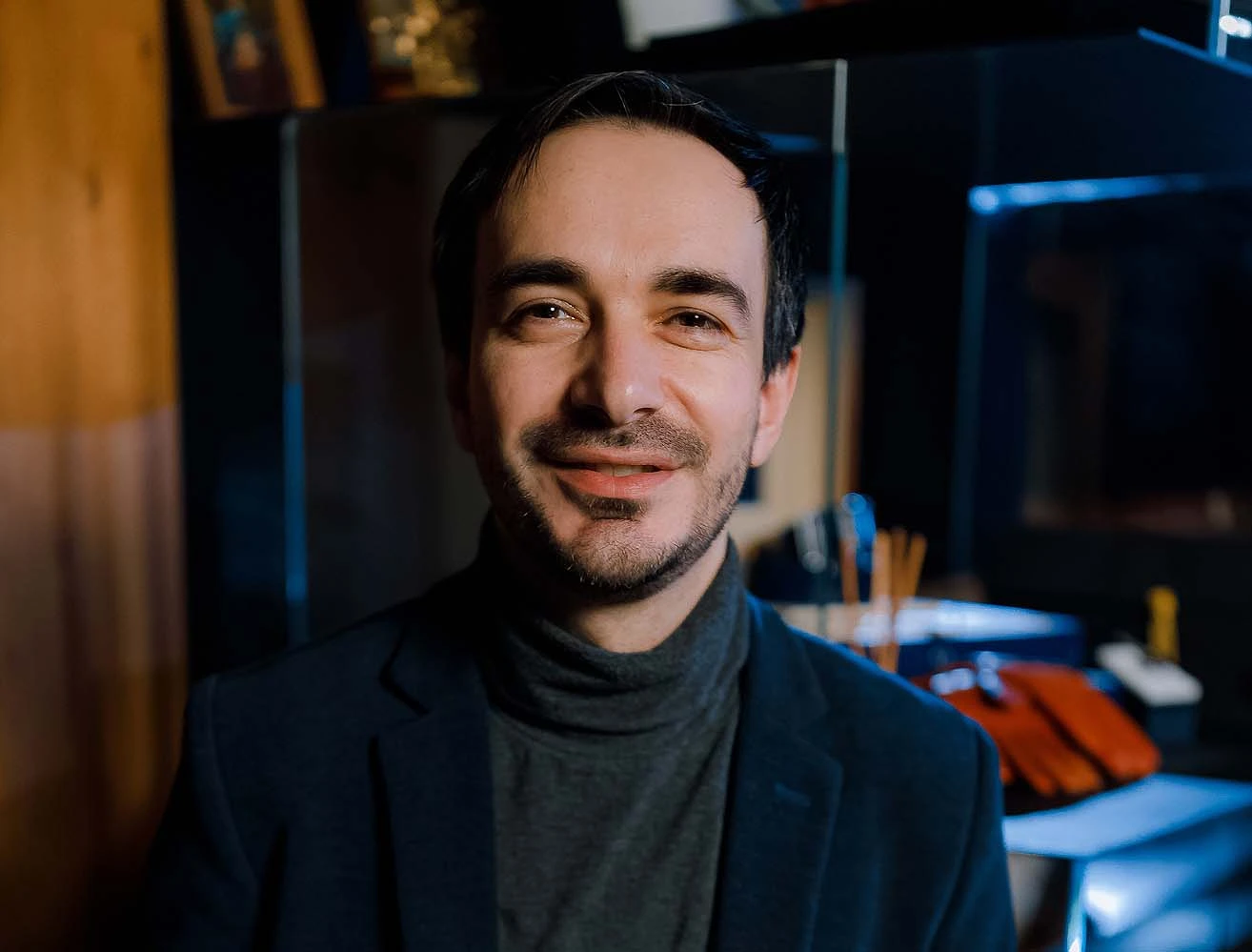
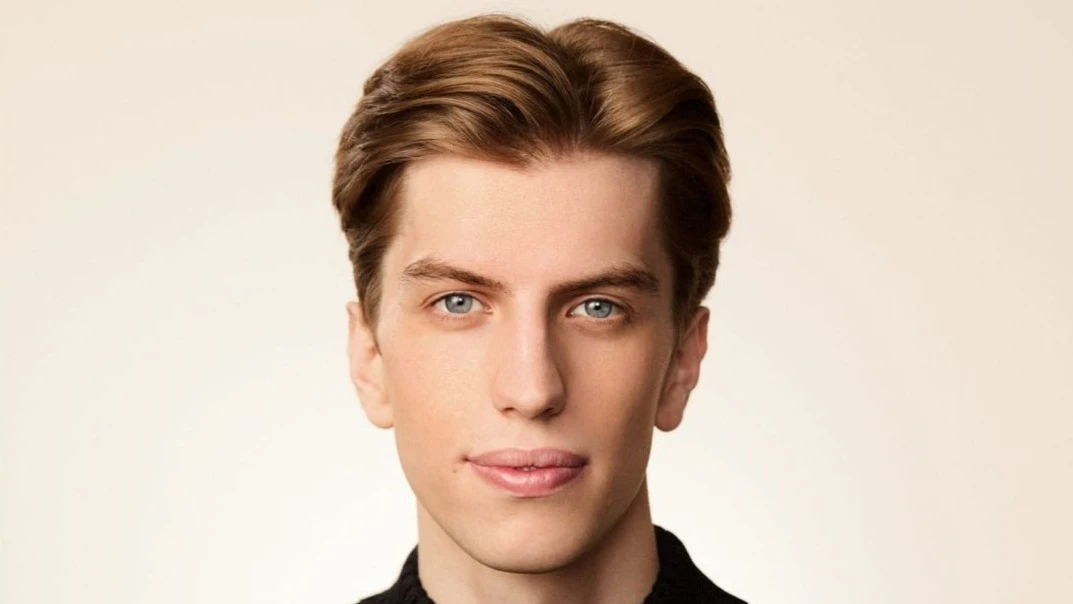
Leopold Aschenbrenner may resume trading with borrowed capital, despite his promise not to do so again / Photo: forourposterity.com
Leopold Aschenbrenner, a 25-year-old investor, is drawing up an ambitious plan to revive his hedge fund, Situational Awareness, after nearly driving it to ruin this summer, according to the Financial Times. The fund suffered from overconfident bets on stocks of companies involved in artificial intelligence and leveraged trading. Now Aschenbrenner wants to make a comeback: in discussions with prime brokers and investors, the project has been dubbed Situational Awareness 2.0.
Details
In recent weeks, the investor—who has been nicknamed the “AI Nostradamus” for his predictions about the future of artificial intelligence—has been discussing plans to relaunch the fund, including a return to leveraged trading and raising new capital, the FT reported.
Whether Aschenbrenner succeeds will depend on whether he can convince Wall Street investors and banks of his ability to manage risks, the newspaper reports. Over the summer, assets under management at the AI-focused fund exceeded $20 billion, but within a matter of days, the situation deteriorated so much that it required emergency assistance from Ken Griffin’s Citadel. Citadel bought shares from Situational Awareness at a discount. The fund currently still manages more than $10 billion in assets, primarily invested in private companies.

“There’s no point in driving the fund to ruin time and time again,” one investor familiar with the discussions on Situational Awareness’s new strategy told the FT. “That’s why [Aschenbrenner] really wants to avoid a repeat of that situation. But I think he expects to play a significant role [in managing the portfolio of publicly traded stocks].”
"The only lesson they've learned is that their risk management system needs a little more fine-tuning," said another investor who spoke with the FT.
According to participants in the talks, Aschenbrenner also discussed the possibility of raising additional funds from third-party investors in the new year. However, these plans, as well as the resumption of margin trading, have not yet been approved and are still subject to change, one of the FT’s sources clarified.
According to the publication’s sources, Aschenbrenner was in talks with Jefferies about opening an account for prime brokerage services. Earlier this year, the bank declined to work with him, concluding that the fund’s positions were not sufficiently protected against risks.
Situational Awareness and Jefferies declined to comment to the FT. Following a series of margin calls that reduced the fund’s market capitalization, Aschenbrenner promised not to invest with borrowed funds again.
What Has Changed in the Fund
According to sources who spoke with the FT, Situational Awareness has once again expanded its staff—to about 30 people—even though in June it stated that the team had shrunk to eight employees. The fund is looking for a chief risk officer—one of the key positions at large hedge funds, especially those that actively use leverage, the FT reports.
In the third quarter of 2026, Situational Awareness shifted its focus away from holding a broad portfolio of AI-related stocks: it began to favor call options—which allow investors to purchase securities linked to AI stocks at a predetermined price—rather than directly holding a broad portfolio of such securities, Business Insider reported.
According to the Form 13F filing, as of the end of September, the Australian company SharonAI accounted for the largest share (28%) of the Situational Awareness hedge fund’s public securities portfolio. Over the quarter, the fund increased its position in the company by 2.7 million shares. Other major holdings include shares and options related to Bloom Energy (24.7% of the portfolio), Nebius (21.1%), SanDisk (11.5%), and the Roundhill Memory ETF (8.9%).
Situational Awareness holds a stake in Anthropic valued at approximately $5 billion, which is expected to increase significantly after the company’s shares begin trading on the Nasdaq on November 19. Situational Awareness will be able to trade these shares once the lock-up period expires.
This article was AI-translated and verified by a human editor