The SEC will investigate Wall Street's largest banks over loans to the "AI Nostradamus" fund
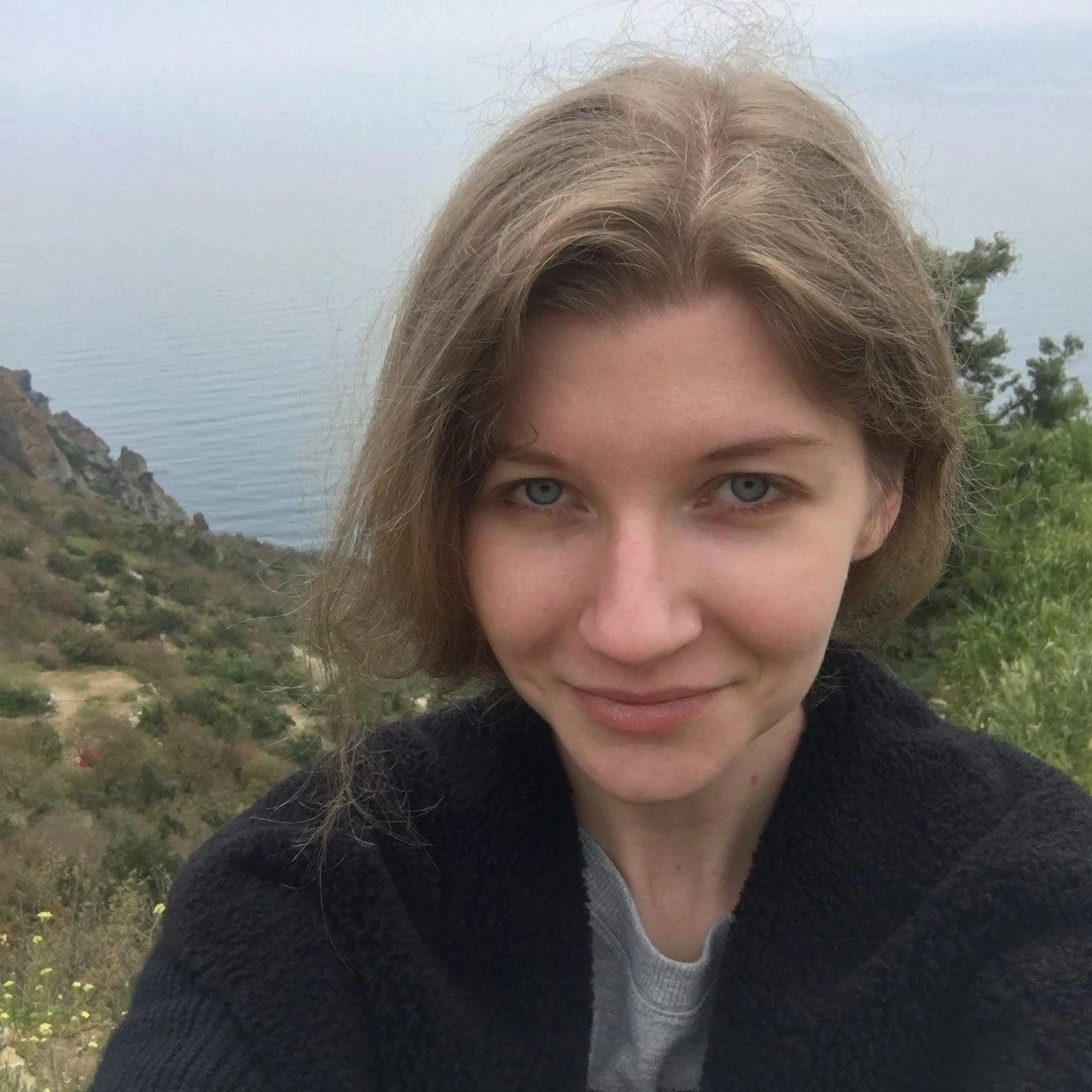
Photo: Corseye / Shutterstock
The U.S. Securities and Exchange Commission (SEC) has issued subpoenas to several major Wall Street banks that provided loans to Leopold Aschenbrenner’s hedge fund, Situational Awareness. In July, the fund nearly collapsed due to a sell-off in technology stocks. The SEC has requested detailed information about the fund’s transactions and its correspondence with lenders who provided borrowed funds. The New York Times (NYT) and the Financial Times (FT) reported this, citing sources familiar with the investigation.
Details
According to documents filed with regulatory authorities, the hedge fund was a client of Goldman Sachs, JPMorgan, Citigroup, and Bank of America, the FT notes, emphasizing that in recent years, lending to hedge funds has become an important and profitable line of business for Wall Street banks.
Sources interviewed by the publications declined to name the banks whose operations—in connection with the Situational Awareness situation—will be investigated by the SEC. For now, they say, neither the fund nor its lenders have been accused of any violations. According to one of the FT’s sources, the SEC’s investigation is currently in the information-gathering phase. A source speaking to the NYT agrees that there is no certainty that it will lead to fines or other sanctions.
“It is to be expected that regulators will closely scrutinize any funds that attract heightened attention, post significant returns, or experience particularly sharp drawdowns,” Situational Awareness said in response to the investigation. “We operate in a highly regulated industry and will fully cooperate with any request from regulators.”
The SEC itself, as well as Citigroup, Bank of America, Goldman Sachs, and JPMorgan, declined to comment on the matter.
Context
The AI-focused Situational Awareness fund, managed by a 24-year-old former OpenAI employee, had grown its assets under management to $45 billion by early July—in less than two years of operation. The hedge fund’s net return for the first five months of 2026 was 270%, and the manager of Situational Awareness—a 24-year-old former OpenAI employee—began to be dubbed the “AI Nostradamus” in the market. To increase his concentrated bets on artificial intelligence-related assets, he used borrowed funds. In July, this led to difficulties due to a sharp sell-off in the AI sector. After suffering heavy losses, the hedge fund was forced to sell a significant portion of its stock positions. The buyer was Ken Griffin’s investment firm Citadel. The emergency deal was closed in just 24 hours, according to the FT.
Following the agreement with Citadel, assets under management at Situational Awareness fell to approximately $10 billion, and Aschenbrenner stated that he takes “full responsibility” for the events that led to the rapid losses. He said the fund would continue to operate and trade shares of publicly traded companies but would no longer borrow from banks to finance its positions.

This article was AI-translated and verified by a human editor