Before the margin call, just two stocks made up the majority of the “AI Nostradamus” portfolio
Situational Awareness made its largest bets on SanDisk and Micron stocks
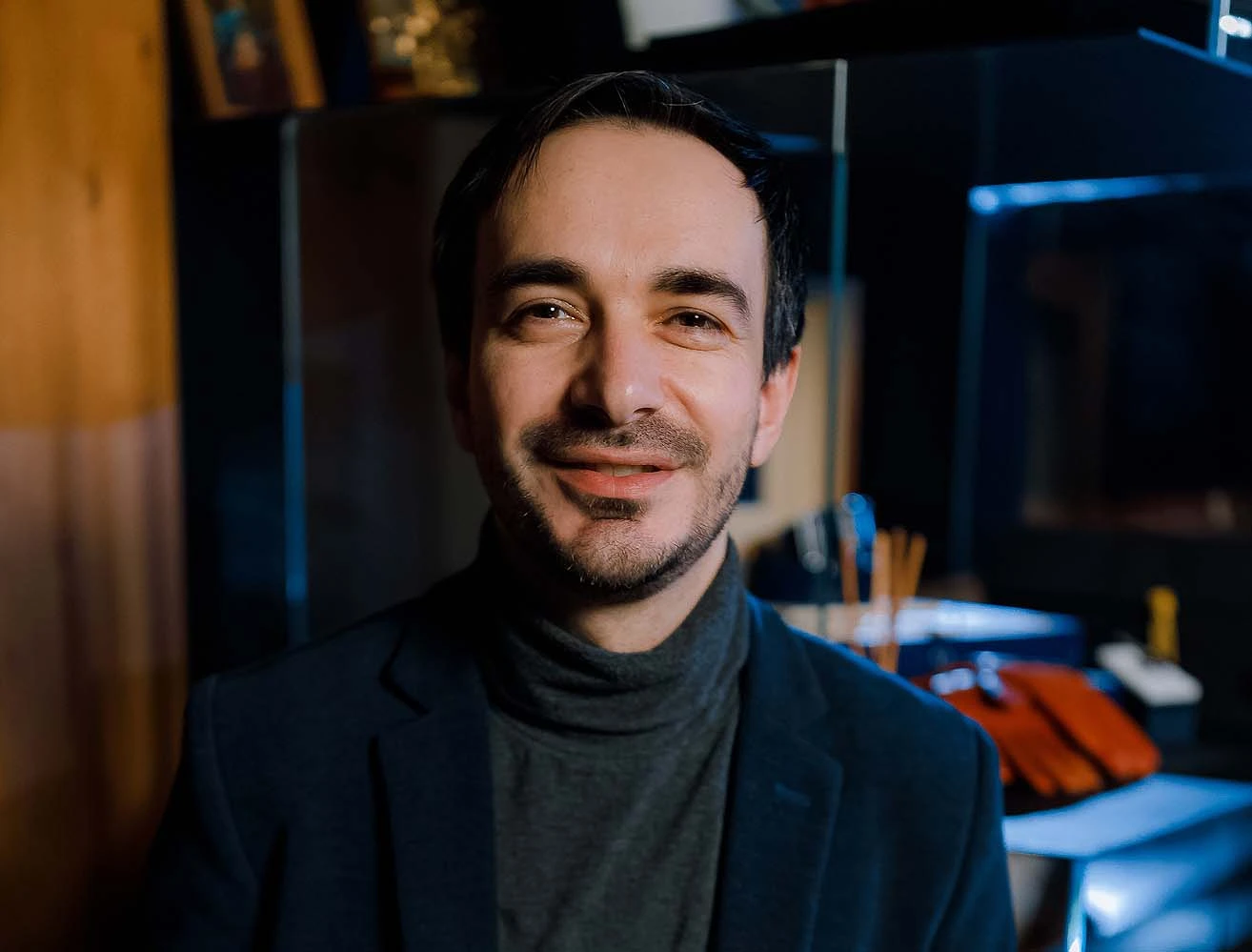
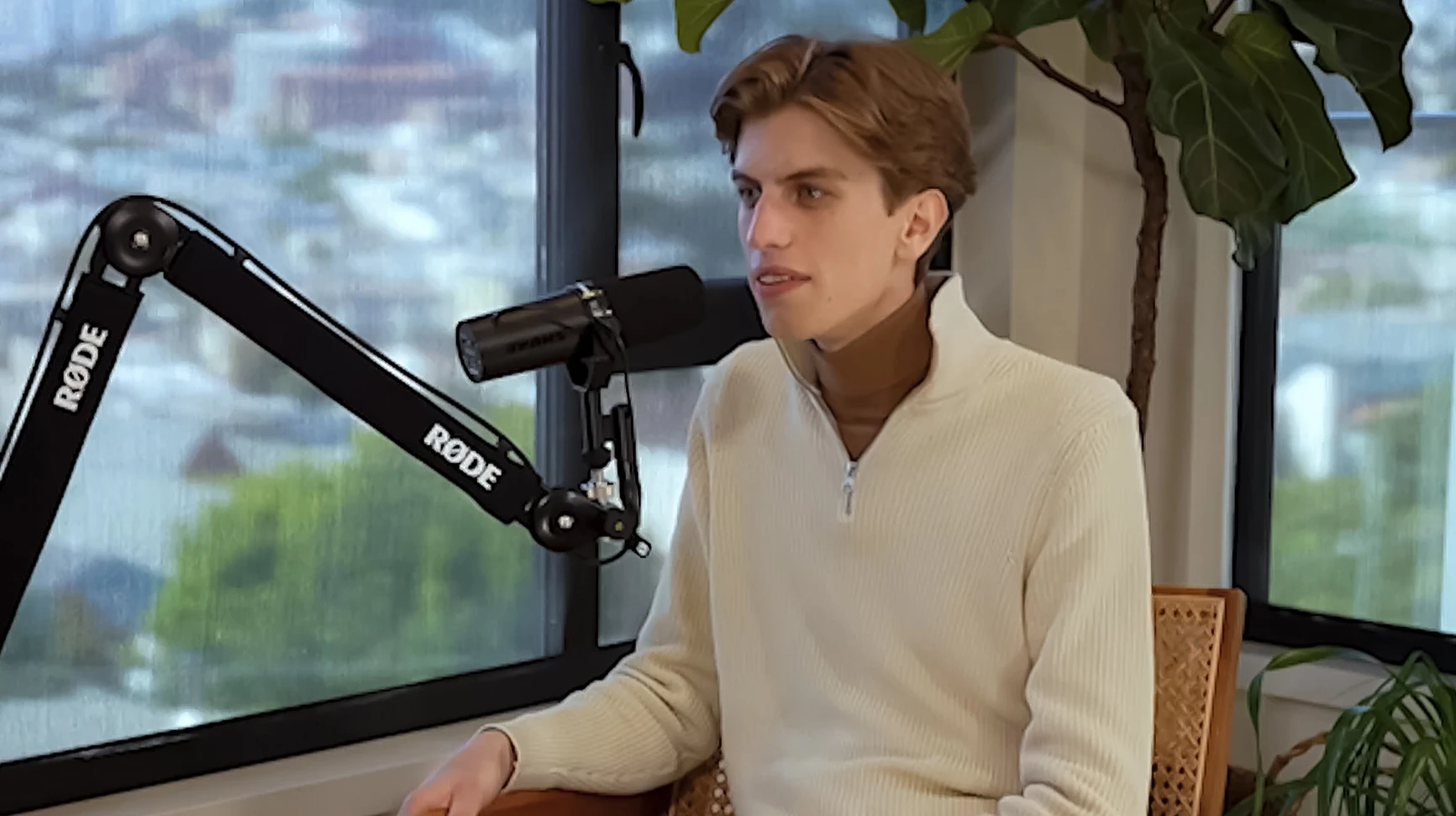
Leopold Aschenbrenner's "Situational Awareness" bet on stocks tied to the AI boom / Photo: X / Dwarkesh Patel
According to the 13F filing, the five largest disclosed equity positions in Leopold Aschenbrenner’s Situational Awareness hedge fund as of the end of June were in chipmakers and companies related to AI equipment: SanDisk, Micron Technology, Bloom Energy, Taiwan Semiconductor Manufacturing, and Nebius Group. In July, all five stocks plummeted, forcing Aschenbrenner to sell a significant portion of his portfolio of publicly traded shares in Ken Griffin’s investment firm Citadel at a discount to pay off creditors. After the July crash, the 24-year-old fund manager vowed never to trade on margin again.
How Aschenbrenner Invested
— The fund's largest holding—worth $5.7 billion—was shares of flash memory manufacturer SanDisk. In July, those shares plummeted by nearly 47%.
— As of the end of June, Situational Awareness also held $5.6 billion in shares of memory manufacturer Micron. In July, those shares fell 29% in value.
During this period, SanDisk and Micron were the two largest holdings in the Aschenbrenner Fund.
— In addition, the fund had invested heavily in Bloom Energy, a manufacturer of alternative fuel-cell energy systems for data centers: Situational Awareness’s stake in the company was valued at $1.9 billion as of the end of June. In July, Bloom Energy’s stock plummeted by 32%. Situational Awareness also held $44.1 million in call options on Bloom Energy.
— In addition, the fund had invested $1.27 billion in shares of Taiwan Semiconductor Manufacturing (TSMC), the world’s largest contract chip manufacturer. In July, those shares fell 15%. Aschenbrenner also held $23.9 million worth of call options on TSMC.
— Arkady Volozh’s stake in Nebius Group, an AI computing provider, was valued at $1.23 billion as of the end of June. In July, the company’s stock plummeted by 31%. The fund also held $745 million worth of shares in Nebius’s competitor, CoreWeave.
— Also, according to the 13F filing, he eliminated the “short” positions that served as a hedge for the portfolio: By the end of June, put options (contracts that give the holder the right to sell an asset at a predetermined price) on Nvidia, Oracle, Broadcom, and Advanced Micro Devices shares had been closed out, MarketWatch notes.

Context
The Situational Awareness strategy was built around one of the most popular ideas on Wall Street: the fund bought shares in companies that were expected to provide memory, cloud computing, electricity, and other infrastructure for AI, according to CNBC. At the same time, the fund bet against software developers who, according to Aschenbrenner, were vulnerable to the technological changes driven by AI itself.
For most of its relatively short history, this strategy has performed impressively, notes CNBC. Prior to the July downturn in the tech sector, Situational Awareness had returned more than 1,000% since its founding in 2024, The Wall Street Journal reported in June. At its peak earlier this summer, the fund’s assets totaled about $45 billion. However, a sudden reversal in AI stocks—which accounted for a significant portion of the fund’s largest positions—combined with losses related in part to leveraged trading, quickly led to a liquidity crisis. To cover margin calls (a margin call is a broker’s demand to provide additional collateral or reduce positions due to a decline in the value of collateral when trading on margin), the fund was forced to sell a significant portion of its stock positions to Ken Griffin’s Citadel at a discount. By July 30, Situational Awareness’s assets under management had shrunk to approximately $10 billion.
The 13F filing reflects only the long positions in U.S.-traded stocks held by Situational Awareness as of June 30. Therefore, it does not provide a complete picture of the fund’s positions, which ultimately led to its losses, CNBC notes.
_________________________
In the “Guru Portfolios” section, you can track the holdings of the world’s largest investors and funds and see how they change over time. Based on 13F filings, the service displays the largest holdings, new purchases, and changes in the weightings of individual assets, and also allows you to compare portfolios across different time periods.
This article was AI-translated and verified by a human editor