An investor from "Shorting" advised buying wine amid the dollar's decline
Michael Burry is investing in premium European wines as a hedge against the devaluation of the dollar, inflation, and potential shocks caused by AI


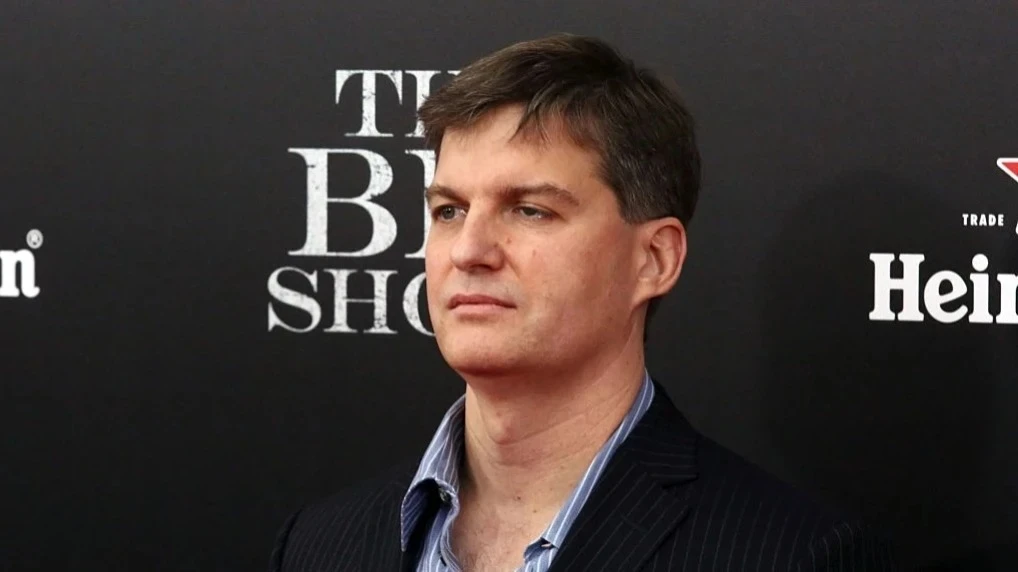
Burry said that this year he expanded his wine portfolio by about 40 items, taking advantage of discounts on the market / Photo by Astrid Stawiarz / Getty Images
Michael Burry, who became known for betting against the U.S. mortgage market on the eve of the 2008 crisis, has proposed an unusual way to hedge against a weakening dollar and accelerating inflation. In his blog, Cassandra Unchained, on Substack, Burry reported that he is buying discounted premium European wines and expects to see a multiple-fold return in the long term.
Wine as Insurance
The dollar’s share of global foreign exchange reserves fell from 72% in 2001 to below 57% in the third quarter of 2025, according to IMF data cited by Burry. It is precisely the dollar’s status as a reserve currency that currently allows the U.S. to run a persistent budget deficit, he writes. The investor does not expect the dollar to lose its reserve currency status anytime soon, but warns:
"I believe that a massive financial catastrophe awaits us within the next 5 to 10 years, when the time comes to pay the price for irresponsible budgetary and fiscal policies."

Central banks are choosing gold as an alternative to the dollar—it is the world’s second-largest reserve asset after the dollar. According to Burry, this points to a general increase in demand for scarce physical assets. At the same time, he believes that gold reflects “too much debt and too little monetary restraint,” whereas wine offers a different kind of protection—it is a tangible, globally tradable asset that becomes scarcer as bottles are uncorked and their contents are consumed.
Burry views wine as a hedge not only against a weakening dollar, but also against the risks that artificial intelligence and quantum computing pose to digital financial assets. Looking ahead, he says, these technologies could threaten the security of bank and investment accounts, retirement savings, and social security payments. In Burry’s view, financial systems will adapt, but the transition may happen too quickly for digital assets to be reliably protected: “Glitches are inevitable. Let’s hope they’re merely disruptive and don’t turn into a catastrophe.”
How Burry Invests in Wine
"The idea is to buy tangible assets that have fallen in price due to market cycles outside the jurisdiction of the reserve currency while that currency still retains its strength."

The investment strategy is based on the fact that premium European wine is purchased with pounds, euros, francs, and Asian currencies, which means the asset is underpinned by global demand in multiple currencies, writes Burry. According to his calculations, if the dollar weakens by 30–40% against this basket of currencies over a 20-year horizon, investments in wine will yield returns of 45% to 65% in dollar terms, even without price appreciation. Taking into account organic price growth and the deep discount at the point of entry, the investment could increase 4–5-fold over 20 years, the investor believes.
Burry believes now is a good time to enter the wine market. The Liv-ex indices, which track price movements for the most sought-after wines, have fallen 25–30% from their peak in October 2022. According to him, this is the deepest broad-based correction in the wine market in modern times. Some wines from Bordeaux and Burgundy are trading at 75% below their release prices, the investor notes.
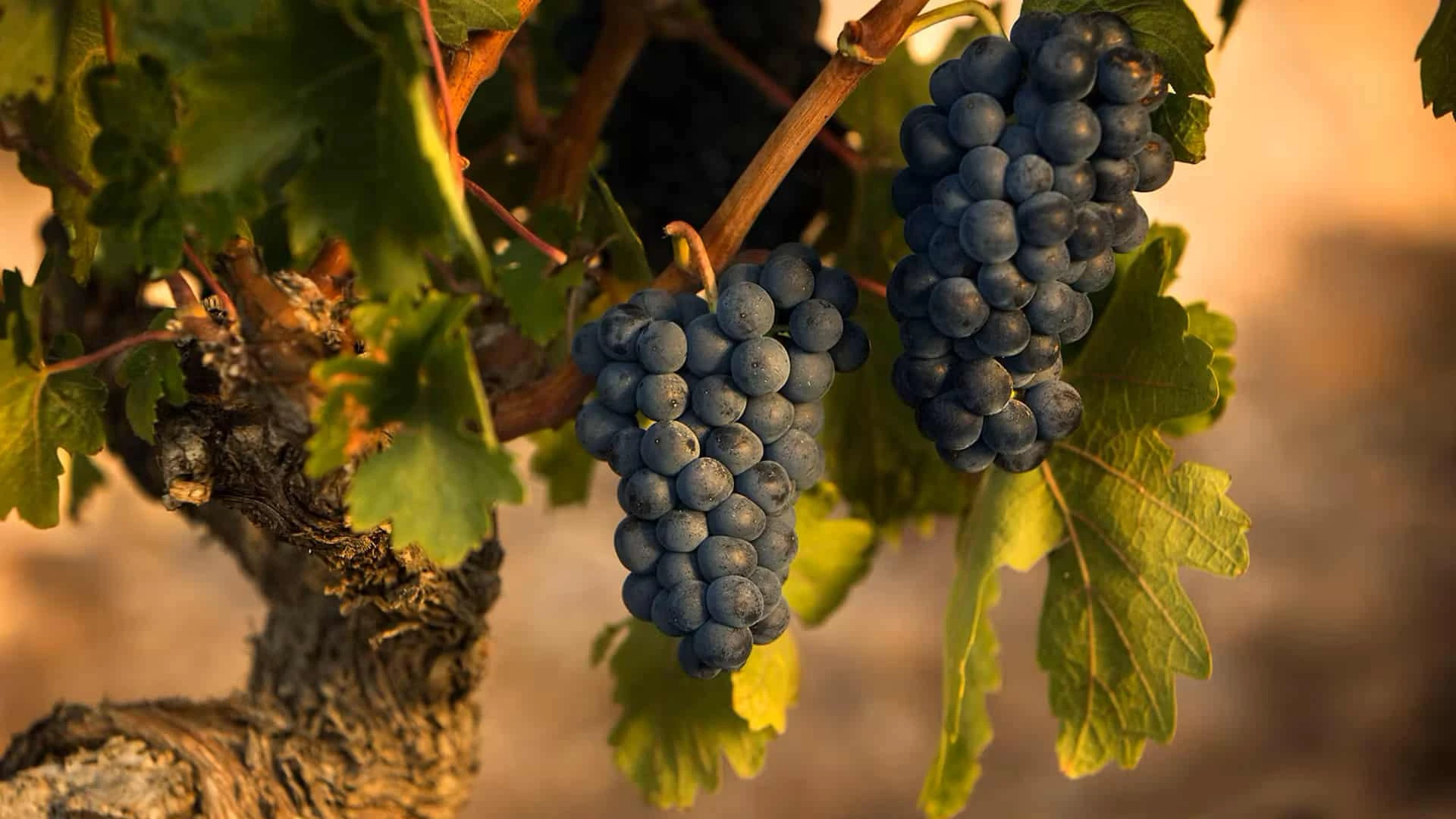
From 1900 to 2012, investments in wine yielded a 4.1% real annual return, after accounting for storage and insurance costs, writes Burry, citing the academic article “The Price of Wine,” published in 2015. According to his calculations, given the current decline in prices, investors can expect a real return of 6–8%.
Burry shared that this year he reviewed about 700 wines for his portfolio but purchased only about 40, achieving an average discount of 18–20%. His strategy focuses on elite wines from producers such as Petrus, Domaine de la Romanée-Conti, Margaux, Mouton Rothschild, and Sassicaia.
"The wine targeted by this strategy is intended for the top 1% of the wealthiest people. The purchasing power of this 1% is much more stable than that of the remaining 99%."

Burry stores the majority of the wine he purchases for investment purposes in customs warehouses in Europe. This is because, he writes, if the wine is imported into the United States, it loses its status as a European collector’s wine suitable for investment purposes.
Investors typically set aside about 15–20% of the wine they purchase for personal use—for future holidays and gifts. According to Burry, the discount on the rest of the collection provides him with “a lifetime supply of free wine.” He advises other investors to limit the share of wine in their portfolio to less than 10% and to work only with reliable dealers and independent storage facilities to reduce the risks of counterfeits and storage issues.
"Buy low, be very patient, then sell high—or just enjoy it."

Context
Burry has long expressed pessimism about the stock market. In August, he wrote in his blog that he expects the AI sector to crash in 2028 due to the risk associated with circular financing in the industry.
This article was AI-translated and verified by a human editor