An investor from *The Short Game* is expecting a crash similar to the one in 1987. Which stocks is he shorting?
The iconic short-seller is currently in the black on all of his short positions, with the exception of one

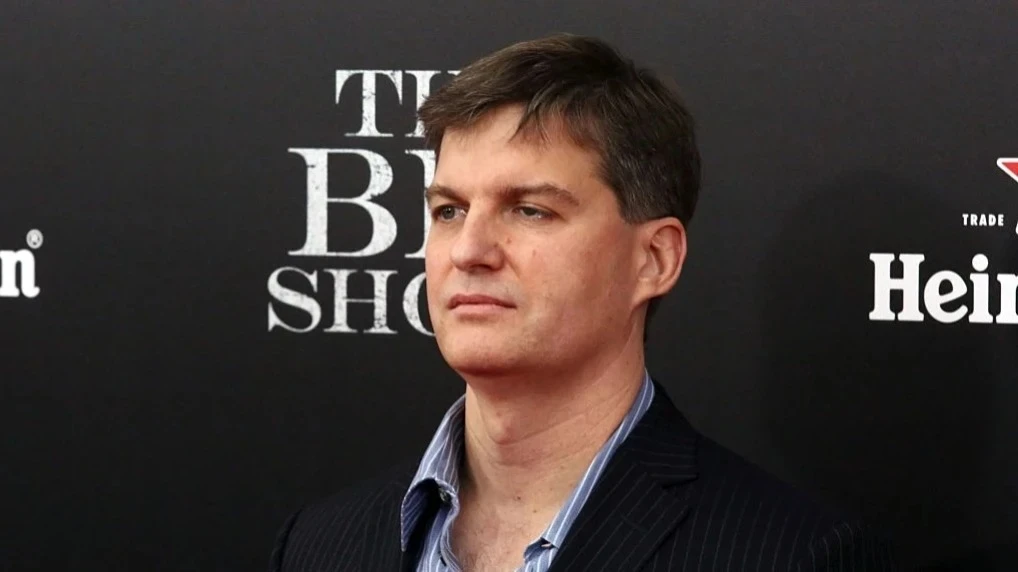
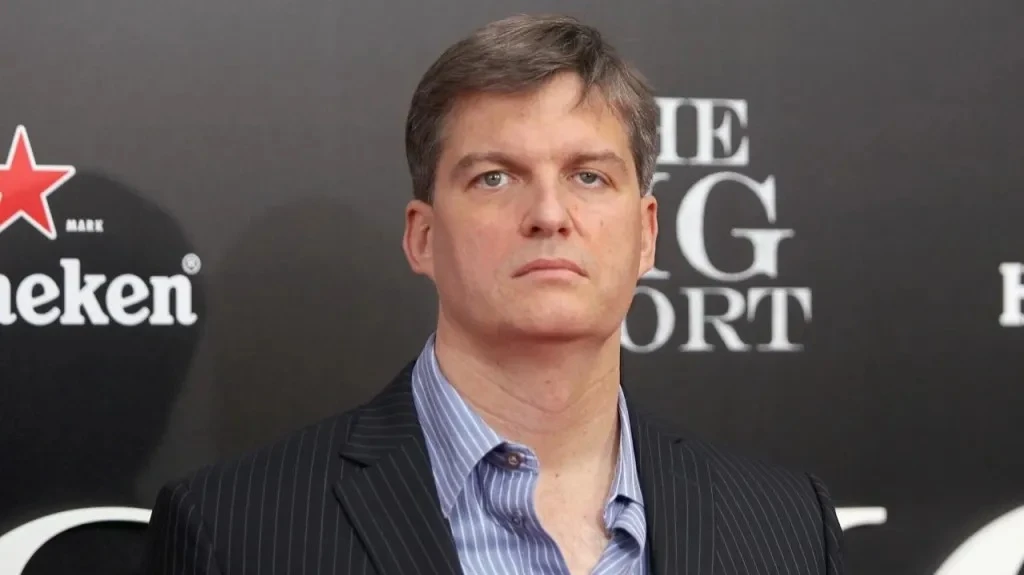
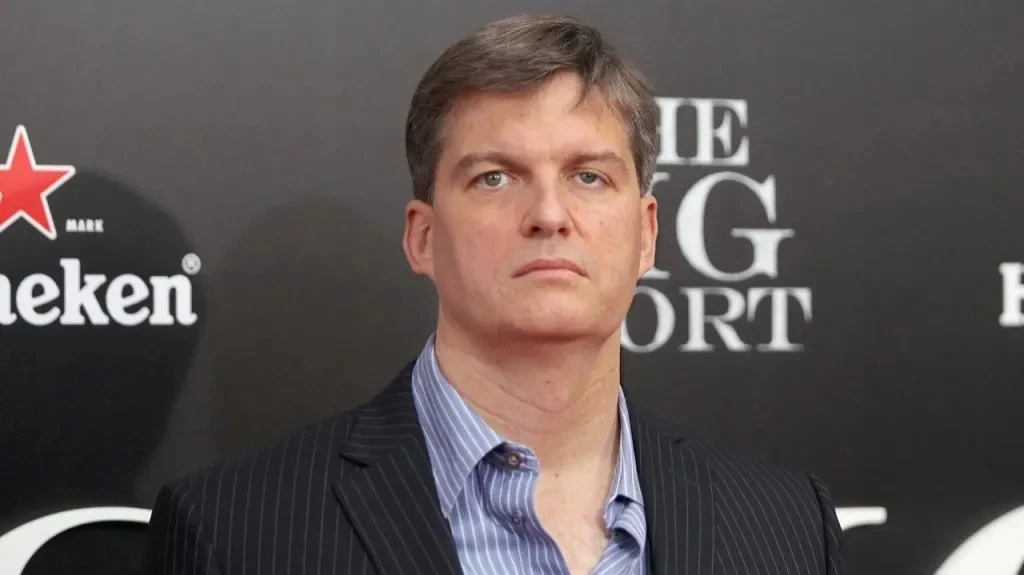
Burry continues to bet against the entire semiconductor sector and individual companies whose businesses are tied to artificial intelligence / Photo: Photo by Astrid Stawiarz / Getty Images
Michael Burry, known as the inspiration for the character in *The Big Short*, believes that the stock market could face a crash comparable to “Black Monday,” when the Dow Jones Industrial Average plummeted 22.6% in a single day.
In his blog, *Cassandra Unchained*, on August 4, the investor pointed out the market’s unusual pace of growth: over four trading days, the S&P 500 index rose 5% and reached a new high. This had only happened three times before, writes Burry: in April 1999, when the dot-com crash began; in March 2000—at the very peak of the bubble; and in November 2020, when, against the backdrop of successful coronavirus vaccine trials, technology companies that had benefited from lockdowns ceded the lead to stocks that had been hardest hit by COVID-19.
"I still believe it's possible that we are nearing a major local peak and that a 1987-style decline is likely; however, if the S&P 500 index breaks its previous highs, it will most likely attract new money into the market."
Burry believes the semiconductor sector is key to the market’s future direction. It was hit hard by the sell-off in July, and the investor is now watching to see if it can recover and once again become a driver of growth. According to him, the chart for the iShares Semiconductor ETF (SOXX), which focuses on the U.S. semiconductor sector, is already showing a reversal toward an upward trend.
"I would say that the market hasn't yet emerged from the danger zone, and it suffered real damage last month. Even if new highs and a continuation of the rally remain the most likely scenario, the market environment that prevailed in July hasn’t gone anywhere.”
What is Burry doing with the briefcase?
The investor wrote that he continues to hold short positions in Micron, Nvidia, Caterpillar, Palantir, Tesla, and Applied Materials stocks, as well as put options on the SOXX ETF. Put options allow investors to profit when the value of an asset declines. According to Burry, all of his “shorts,” with the exception of Nvidia, are showing “good returns.”
"I remain confident in my assessment of their prospects for the next few years. However, I will cut my losses if things go against me."
Burry completely sold his call options (which allow investors to profit from an asset’s rise) on Microsoft. The short seller had purchased these options in late June, shortly before the company reported a sharp acceleration in revenue growth for its Azure cloud service. Microsoft’s stock subsequently posted its best rally in 26 years. According to Burry, he managed to time the trade well. However, the company’s earnings report did not inspire the same enthusiasm in him as it did in the market.
In addition, the investor took profits on January put options on Oracle that expire in 2027 and have strike prices around the lower end of the $100 range. He says he may buy them again if volatility declines.
Burry rolled over part of his position in Nvidia put options from December 2026 to June 2027, keeping the strike prices around the lower end of the $100 range. The investor also sold January put options on Palantir expiring in 2026 and chose not to buy new ones with a later expiration date, but retained the remaining half of his short position in the company’s stock.
This article was AI-translated and verified by a human editor