The S&P 500 hit a new record high for the first time since June, driven by earnings reports and hopes that the Strait of Hormuz would reopen
Palantir soared 29% in a single day thanks to its “supernatural” results

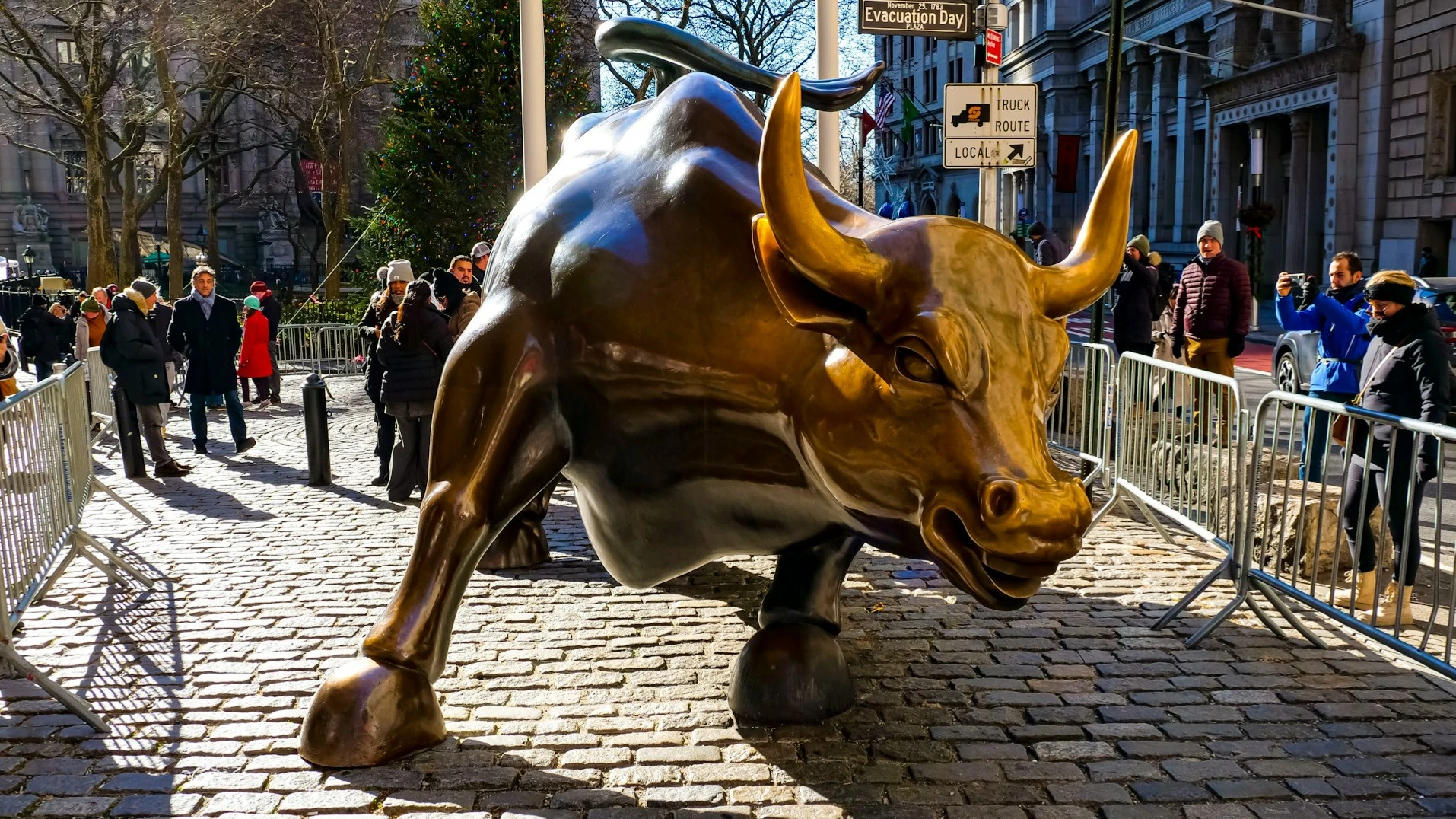
Investors have resumed buying stocks after a challenging July for the market / Photo: Unsplash/fabio Spano
The S&P 500 broad-market index rose 1.79% at the close of trading on August 4 and set a new record: for the first time, it closed above 7,700 points. The index had not reached new highs since June. On Tuesday, it posted its best one-day gain in both points and percentage terms since April 8, MarketWatch reported, citing Dow Jones Market Data.
For the second day in a row, the Dow Jones Industrial Average hit a new high, rising 1.71%—largely due to a 6% gain in Caterpillar shares.
The Nasdaq Composite “tech” index surged 2.59% right away. It has been rising for four consecutive sessions, posting its best gain during that period since April 2025, MarketWatch noted. Palantir stood out among the index’s components, surging 29% following a strong earnings report. Chipmakers’ stocks also posted gains: the PHLX Semiconductor Index rose 6.6% over the course of the day.
Global oil prices fell on Tuesday to their lowest level in nearly four weeks: Brent crude dropped 5.3% to $79.36 per barrel, its lowest level since July 10, MarketWatch reported.
The positive sentiment in the markets was driven by strong corporate earnings reports and a drop in oil prices due to hopes that the Strait of Hormuz would reopen soon, according to CNBC. "There is a chance that the U.S. and Iran could reach a deal on Tuesday or Wednesday that would reopen the Strait of Hormuz and move toward a 'more normalized position in this conflict,'" U.S. Treasury Secretary Scott Bessent said in an interview with CNBC. Oil prices will fall even further once the hundreds of ships stranded in the Persian Gulf are able to leave, Bessent said. Before the war, one-fifth of the world’s oil supplies passed through the Strait of Hormuz.
This article was AI-translated and verified by a human editor