Analysts expect record jump in aluminum prices: smelters in UAE and Bahrain damaged

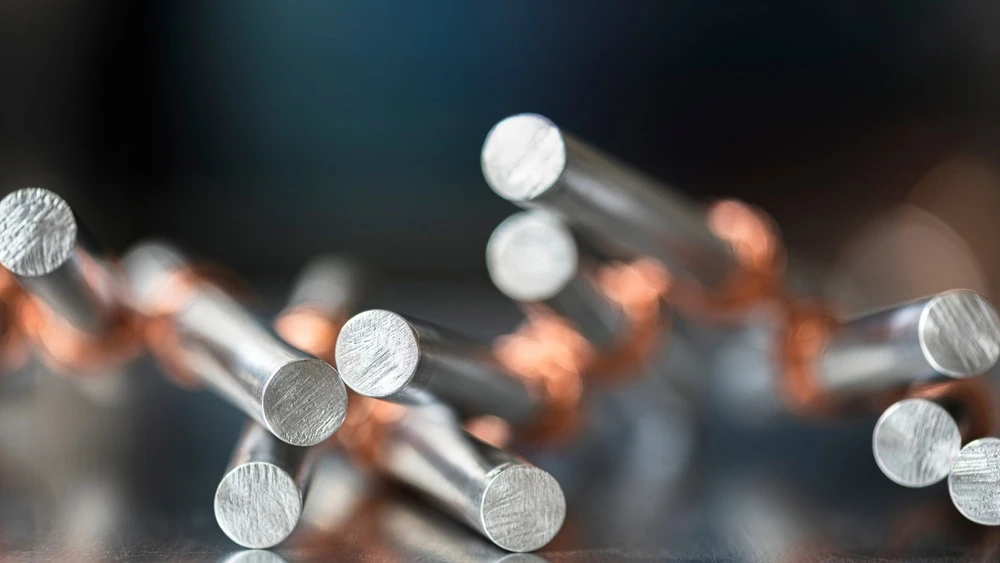
Global aluminum prices may break the 2022 record / Photo: Flegere/Shutterstock
World aluminum prices may reach the strongest growth since 2022 amid reports that the Middle East's largest plants producing the metal were damaged by Iranian strikes, Bloomberg writes, citing traders and industry representatives. The situation, according to the agency's interlocutors, had worsened even before aluminum smelters in the Persian Gulf countries became the target of military attacks: due to the blockage of the Strait of Hormuz, aluminum smelters were deprived of supplies of critical raw materials.
Details
On Monday, March 30, aluminum quotations on the London Metal Exchange (LME) soared by 6%, closely approaching the psychological mark of $3500 per ton. According to Bloomberg, this is the sharpest one-day jump in prices over the past two years. Shares of aluminum companies also rose, with Australia's South32 adding up to 9.4% in Sydney and Aluminum Corp. of China gaining 9.7% in Hong Kong.
Traders warn: if shipping in the Strait of Hormuz does not resume soon, aluminum prices will inevitably exceed the 2022 record of $4073.5 per tonne. "It's time for traders to recognize the reality of significantly reduced supply from the Middle East," said Li Xuezhi, head of research at Chaos Ternary Futures.
This is how the market reacted to official confirmations from the largest metal producers in the Middle East about the damage caused by Iranian drone and missile attacks. Aluminum is the most widely used metal after steel. In particular, it is needed in aircraft and rocket construction, automotive industry, in the production of packaging (cans, foil), solar panels and so on. The Middle East accounts for about 9% of global aluminum production.
The Middle East's leading supplier, Emirates Global Aluminium of the UAE, reported "significant damage" at its Abu Dhabi facility on March 28, while Bahrain-based Aluminium Bahrain began assessing the extent of damage at its facility on March 29.
The Islamic Revolutionary Guard Corps (IRGC) confirmed the strikes on the sites, telling Iranian state media that the two companies were suppliers to the U.S. military and the attack was in response to U.S. and Israeli strikes on Iran's infrastructure.
Why it's important.
A strike on aluminum production in the Middle East threatens to become one of the biggest supply shocks in the history of the market. The two attacked smelters together produce 3.2 million tons per year, Bloomberg writes. Stopping and restarting aluminum production is a long and costly process, the agency stresses.
The situation is exacerbated by the fact that even before the industry became a military target of Iran, the closure of the Strait of Hormuz left the Middle East region's smelters without a key raw material - alumina and bauxite. Because they depend almost entirely on sea shipments of that ore from Australia and Guinea, the logistical blockade forced the industry to prepare for massive production cuts even before the shelling began, Morning Brew reported.
The current market situation is already extremely tense: Qatar's Qatalum cut production by 40% on March 15, and Bahrain's Alba announced the shutdown of 19% of its capacity. Amid these disruptions, the premium on aluminum billet in Europe has jumped 63% at the end of March since the war began, with Goldman Sachs analysts predicting a shortage of 900,000 tons as early as the second quarter of 2026. For aluminum buyers, the main blow will come in the coming months. There is growing concern in the U.S. about the shortage of high-purity aluminum, which is necessary for the needs of the military-industrial complex, according to Bloomberg.
This article was AI-translated and verified by a human editor