Anthropic Follows Palantir's Lead with a Second Postponement This Week: Key Takeaways on the IPO Ahead of September 27

Anthropic asked shareholders to approve a new corporate structure ahead of its IPO / Photo: Tada Images / Shutterstock
Anthropic, which may go public in November, has proposed that shareholders change the company’s corporate structure to mirror that of Palantir. Nscale, a competitor of Nebius that is preparing for an IPO, held a funding round in which Nvidia participated. In the U.S., a second IPO has been postponed in less than a week—in both cases, unfavorable market conditions were cited as the reason. Check out our roundup of the week’s top events in the IPO market.
What is known about future placements
— Anthropic has asked shareholders to approve a new corporate structure that will give CEO Dario Amodei and six other co-founders 50.1% of the voting rights and allow them to jointly make most management decisions, according to The Information. The structure resembles Palantir’s model and will remain in effect as long as at least three of the seven founders retain a minimum stake. Employees will receive a special class of stock with a deciding vote on certain matters. Anthropic plans an IPO in November with a potential valuation of about $2 trillion and the potential to raise up to $100 billion, notes The Wall Street Journal.
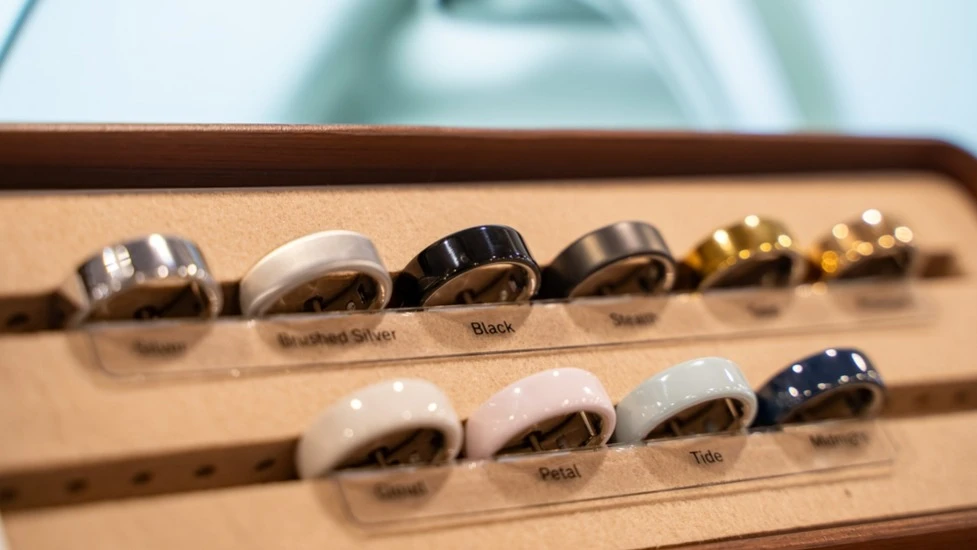
— Oura, a Finnish manufacturer of smart rings, plans to list 50 million shares on the Nasdaq at a price ranging from $40 to $44 per share, Reuters reported. At the upper end of the range, the company and its shareholders could raise up to $2.2 billion, valuing Oura at $15.6 billion. The company itself will issue 13.5 million shares and could raise up to $594 million before expenses. Another 36.5 million shares will be sold by existing shareholders. The IPO could take place as early as next week, and the stock will be listed under the ticker symbol OURA.
— Data center operator Nscale raised $3.36 billion ahead of its IPO, including $1 billion from Nvidia, Bloomberg reported. The company has filed for a U.S. listing and, according to the agency, could raise up to another $3 billion. Nscale, which spun off from the crypto mining business in 2024, leases computing power to AI developers and competes with neo-cloud providers such as Nebius, CoreWeave, Lambda, and Crusoe.
— U.S. data center operator SB Energy raised an additional $1.5 billion from Nvidia ahead of its U.S. IPO, Bloomberg reported. Nvidia purchased new non-voting shares at a price 10% below the offering price. The deal brought the chipmaker’s total investment in the company to $3 billion. SB Energy, which is also backed by SoftBank and OpenAI, is developing data centers with a total capacity of 8.8 GW that are either already under contract or under construction, including sites in Texas and Ohio.
— Iambic Therapeutics , a drug developer that uses artificial intelligence, has filed for an IPO in the U.S., according to Bloomberg. The startup plans to use the proceeds to develop three cancer drugs currently in early-stage trials. Iambic’s partners and investors include Nvidia, AbbVie, Takeda, Lundbeck, and the AI company Lambda. In the first half of 2026, Iambic’s revenue rose to $12.8 million from $3.9 million a year earlier, while its net loss increased to $50.1 million from $33.2 million. Since its founding in 2019, the company has raised $461.8 million.
— The payment service Airtel Money has filed for an IPO in London, which could be the largest in the U.K. since 2021, according to Bloomberg. The company expects to raise at least $800 million, although it had previously considered a offering of approximately $2 billion. Airtel Money operates in Africa and allows users to pay bills, take out microloans, and make purchases. Its majority owner is Airtel Africa, with a stake of about 78%; minority investors include Mastercard and the Qatar Investment Authority.
Who has postponed its IPO?
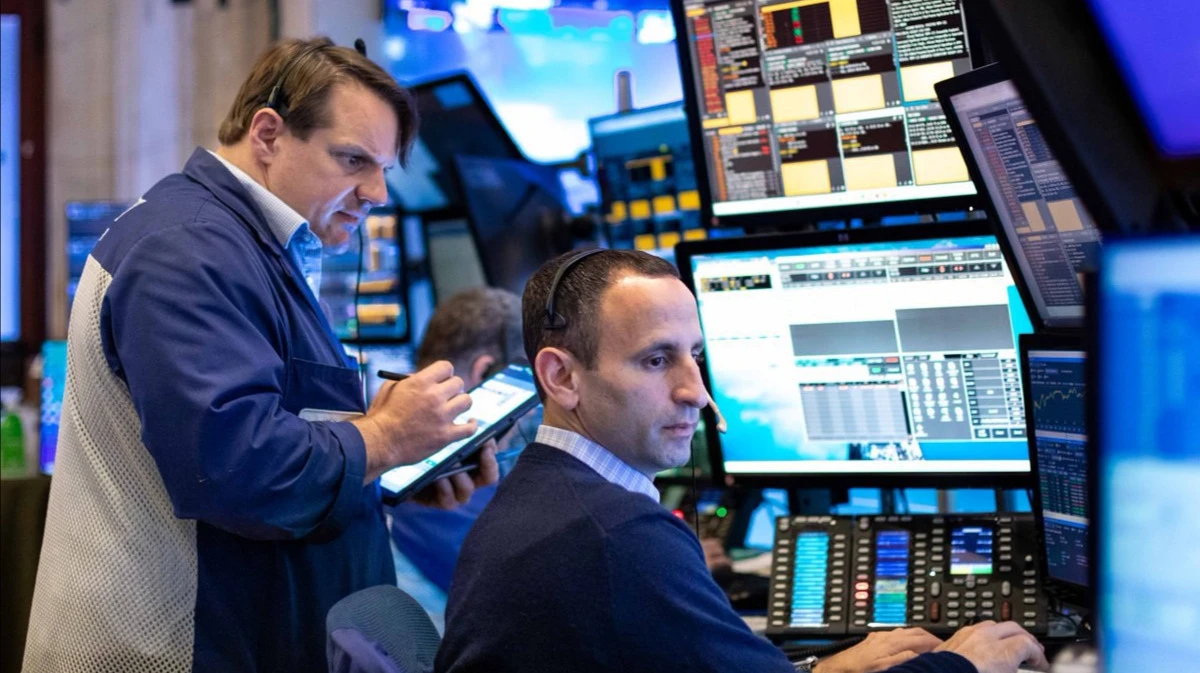
— Bamboo Insurance Services has postponed its initial public offering, which was scheduled to take place last week. Bamboo is the second company in less than a week to suspend its IPO. Earlier, the nuclear energy company Holtec Nuclear made a similar decision. Both cited unfavorable market conditions. Since early July, only nine of the more than two dozen companies that filed for IPOs and were working with leading investment banks have completed their offerings, according to Bloomberg. In September, only three companies went public, even though the period following Labor Day in the U.S. (observed on the first Monday in September) is typically a busy one.
How Did This Week's IPOs Go?
— Biotechnology company ADARx Pharmaceuticals raised $446.3 million in an expanded U.S. IPO, selling 26.3 million shares at $17—the upper end of the price range—Reuters reported. The company had initially planned to offer 21.9 million shares. AbbVie is separately investing up to $100 million in ADARx and could hold about 4.9% of the company following the IPO, the agency notes. Trading in ADARx shares began on Friday on the Nasdaq under the ticker symbol ADRX.
— The National Stock Exchange of India’s (NSE) $2.4 billion IPO was oversubscribed by 5.7 times, but demand from retail investors was weak amid concerns about the company’s high valuation, Bloomberg reported. Institutional investors subscribed to 12.7 times their allocated quota, high-net-worth individuals to 6.5 times, and retail investors to just 1.3 times. The offering price was set at the upper end of the range—1,785 rupees per share—which corresponds to a valuation of approximately 42.9 times annual earnings, the agency notes. The IPO consists entirely of shares held by existing shareholders; the exchange itself will not receive any proceeds from the offering.
Other Important News from the World of IPOs
— Saudi Arabia has decided to undertake a major overhaul of its IPO rules amid the weakest IPO market in several years, according to Bloomberg. The regulator has proposed requiring banks to verify that investor bids are backed by actual liquidity, disclose issuers’ projected financial metrics for at least one year in advance, and place more risk on underwriters, including the obligation to buy back unsold shares. Since the beginning of the year, IPOs in the country have raised only $144 million, and of the 17 companies that have listed on the main exchange since 2025, only four are currently trading above their offering price.
This article was AI-translated and verified by a human editor