Behind the Facade of Conflict: The Hidden Beneficiaries of Oil Wars

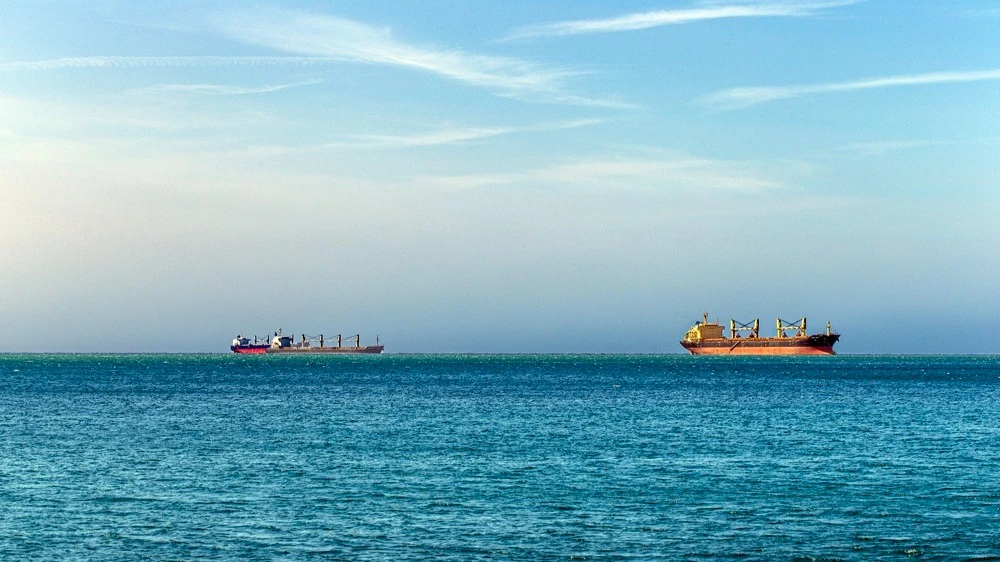
Among the main beneficiaries of oil conflicts are maritime freight carriers. Photo: Shutterstock.com
The conflict between the U.S. and Israel on one side and Iran on the other has had a significant impact on global energy markets. The escalation threatens to cause persistent disruptions in oil supplies, rising transportation costs, and higher risk premiums in commodity markets. When oil prices rise for political reasons, oil and gas and defense companies typically stand to gain. But history shows that companies in other sectors—such as insurance, gold mining, and even nuclear power—also benefit.
Tanker Fleet and Marine Insurance
Among the main beneficiaries of oil conflicts are maritime freight carriers. Due to the blockade of the Strait of Hormuz, route lengths have increased and the number of vessels available for transport has decreased. This has led to an increase in the cost of shipping (freight rates). Although insurance premiums for large tankers have skyrocketed 10–20 times since the start of the U.S.-Iran conflict, shipping companies have reported an increase in net profit. The reason is that military risks are covered by the cargo owners, so this expense does not affect the carriers’ financial results.
Notable companies in the sector include Cyprus-based Frontline, Bermuda-based Nordic American Tankers, and Belgium-based CMB.TECH. In the first half of the year, FRO and NAT share prices rose by more than 60%, and for Frontline, the first quarter was its best in more than 20 years. Its net income reached $345 million, allowing it to increase dividends by 50%.
Increased geopolitical risks automatically drive up the cost of insurance for ships passing through dangerous areas. Insurance syndicates, such as the British Lloyd's of London, and international reinsurers receive additional premiums, although at the same time, their risk of having to pay out on claims increases.
Gold and Precious Metals
Challenges in the energy market traditionally increase investor interest in safe-haven assets. Gold mining companies benefit the most, as their production costs rise much more slowly than the price of gold. As a result, their profits grow faster than the price of the metal itself.
Among the sector’s leaders are the U.S.-based Newmont, as well as the Canadian companies Barrick Mining and Agnico Eagle Mines. In 2020, gold mining companies received support from two fronts: cheap oil reduced their fuel and production costs, while unprecedented global money supply expansion boosted demand for gold. Against this backdrop, Barrick Mining’s stock rose 140% from March to August 2020.)
Nuclear Energy and Uranium
If a military conflict leads to a prolonged period of high energy prices (especially for natural gas), countries begin to focus more and more on the safety and development of nuclear power generation.
In this situation, uranium producers stand to benefit—first and foremost, the U.S.-based Uranium Energy and the Canadian Cameco—as well as sector ETFs such as URA and URNM. Investments in these funds are suitable for those willing to wait, as the development of nuclear energy requires a long investment cycle.
The Broad Commodity Cycle
As oil prices rise, the cost of other commodities often follows suit due to higher transportation costs and inflationary expectations. Investors can profit from such scenarios through commodity ETFs, including DBC, PDBC, and COMT—which trade on U.S. exchanges and invest in a wide range of commodity futures.
Out of focus
Oil crises bring not only risks but also new investment opportunities. While some industries suffer from soaring energy prices, others gain an additional boost to their growth. That is precisely why, during periods of geopolitical instability, investors capable of taking a broader view of the market often find the most interesting ideas in sectors and countries that previously went unnoticed.
Source: *Finansist* magazine, No. 3 (43), 2026.
This article was AI-translated and verified by a human editor