Black Swan author predicts mass bankruptcies in the software sector
The market is underestimating the risks of hard-to-predict extreme events that could bring down quotations in the IT sector, economist Nassim Taleb said

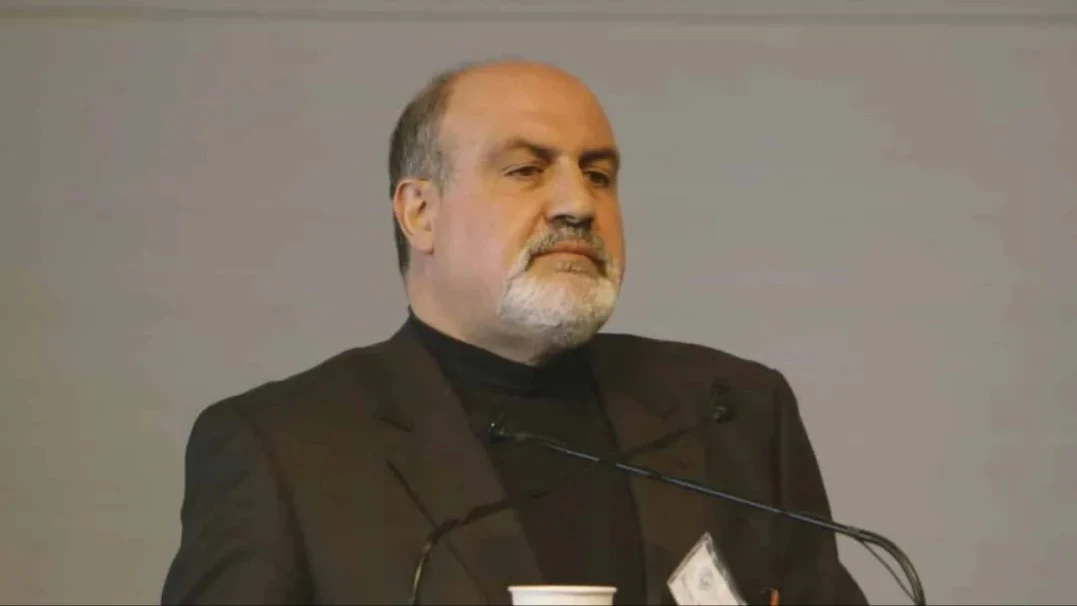
Nassim Taleb believes that the likelihood of "tail risks" in the stock market is fundamentally underestimated / Photo: YouTube/NYU Marron Institute of Urban Management
Nassim Taleb, known for his forecasts of financial crises, urged investors to prepare for increased volatility and a series of corporate defaults in the IT sector, Bloomberg reports. According to the author of the economic bestseller "Black Swan", the current rise in the segment of artificial intelligence (AI) is entering a fragile phase, and systemic threats are ignored by the market.
Details
Speaking at an event in Miami, Taleb noted that investors overestimate the stability of the current favorites of the technology market. Against the backdrop of geopolitical instability and fierce competition, software developers may be overwhelmed by a wave of bankruptcies. The creator of the "black swan" concept reminded: history shows that pioneers rarely retain a dominant position in the long term. "Someone will make a lot of money on AI," the economist stated. However, there is no guarantee that it will be those companies that set the trend today, he added.
Since stock market growth in recent years has relied on a narrow group of securities from the artificial intelligence sector, the major indices could be extremely vulnerable in the event of a change in industry leaders, Taleb says. According to him, the probability of "tail risks" - extreme market events - in various sectors is still not embedded in quotations, and we are talking about a "massive drawdown" rather than a mild correction.
"Not even Einstein could do it."
Symptoms of tectonic shifts are already visible in the dynamics of precious metals: while stocks are rattling, gold has risen in price by almost 30% since October. The Economist attributes this trend to the chronic US budget deficit and sanctions policies undermining confidence in the US currency. "[The] US dollar is gradually losing its reserve currency status. If there is a feeling that assets may be frozen or confiscated, it reduces the incentive to keep capital in dollars," the expert emphasized.
Among other macroeconomic threats, Taleb highlighted the disruptiveness of chaotic trade duties and the threat of oil supply disruptions due to tensions between the US and Iran. Predictable duties allow businesses to adapt, but a sudden change of course discourages investors: "If the rules of the game change unpredictably, the incentive to deploy capital disappears." Meanwhile, a potential 1970s-style oil shock threatens the global economy with dire consequences. "The kind of stagflation caused by commodity market shocks is not easily remedied by monetary policy," Taleb summarized. - You can bring Einstein himself to the Fed - it won't solve the problem.
This article was AI-translated and verified by a human editor