Trump risks triggering financial crisis with war with Iran, ECB warned
European regulator warned in May review of risk of 'perfect storm' in global markets

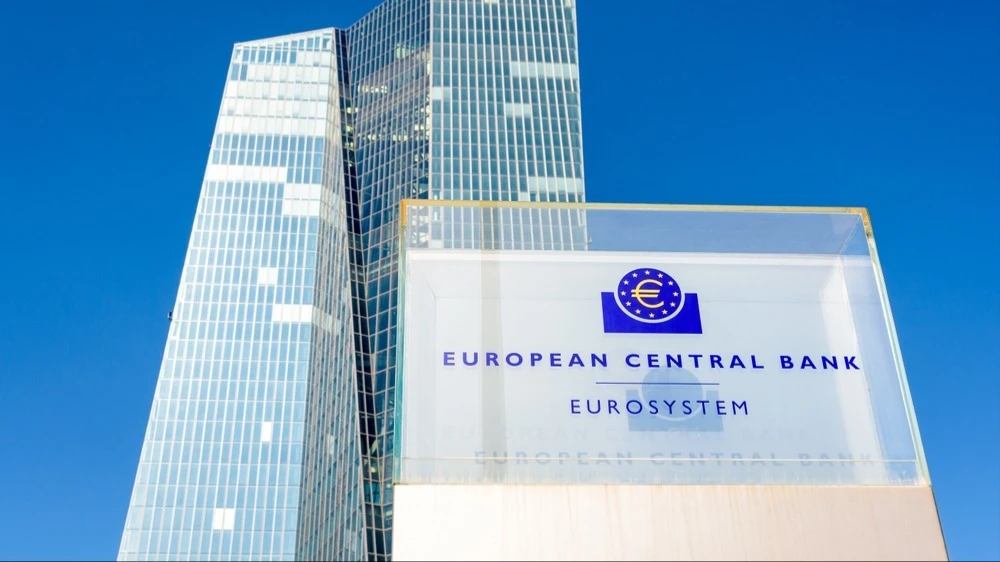
The ECB does not name Trump directly in its review, diplomatically appealing to the actions of the US administration / Photo: olrat/Shutterstock.com
US President Donald Trump's protracted struggle with the Iranian regime, his volatile trade policy and desire to depart from the principles of international cooperation threatens a new financial crisis, the Financial Times writes with reference to the review of threats to financial stability, published on May 27 by the European Central Bank. The ECB itself does not directly name Trump, but the FT sees the regulator's wording as a direct rebuke to Washington.
The military conflict in the Middle East is "testing the resilience" of the financial system, ECB Deputy President Luis de Guindos said in the foreword to the review. "While the scale of the consequences of the war is still unclear, the longer it goes on, the more serious its impact on the global economy and financial stability becomes," he warned.
Drawing on the ECB review, the FT highlighted several key risks to the economy and stock markets from the actions of Trump and the White House:
- A war with Iran could be a systemic rather than localized financial shock. The danger for investors is that it happens at a time when stock market quotes look overvalued. In such a situation, "markets are vulnerable to sharp revaluations" of financial assets, the central bank emphasized.
- Oil and gas supply disruptions threaten to stoke inflation and slow economic growth. This is especially important for the eurozone as a net energy importer, the ECB said. If the war drags on or intensifies, rising energy costs could hit real incomes, consumption and investment while keeping inflation above desired levels, the regulator pointed out. For markets, this means the risk of tighter financial conditions: investors are already revising interest rate expectations upwards.
- US tariff policy has become a separate source of instability. The problem, according to the ECB's assessment, is no longer just the level of duties, but the fact that tariff announcements, pauses and reversals have become a permanent part of the global economic environment. For markets, this increases the likelihood of new spikes in volatility because investors cannot assume trade rules are sustainable.
- The US shift away from international cooperation increases the likelihood of geopolitical shocks. Markets fear that under Trump, Washington will abandon its traditional role as a global leader, the FT writes. "Uncertainty over the US administration's commitment to multilateral cooperation increases the risk that political shocks will disrupt the international order," the ECB wrote.
- Markets may be underestimating the scale of the threat. The ECB points out that before the war, investors were set for an ideal "Goldilocks scenario": sustained economic growth, subdued inflation and cheap credit on the back of increased productivity thanks to the introduction of artificial intelligence. The optimism around AI partially offset the impact of geopolitical risks on markets. But if the energy shock lingers, these factors may no longer counterbalance but reinforce each other - and undermine investors' hopes, the regulator said.
- The non-banking financial sector could add to market stress. The FT notes the ECB's concern over the shift of large volumes of lending from banks to less transparent segments, including private credit. The central bank attributes the risks of private credit to leverage, opaque valuations and limited liquidity.
- Concentration in US equities makes European investors dependent on shocks from the US. The ECB points out that non-banking players in the euro area have a significant portion of their equity investments in US companies, especially those related to AI.
- Conventional portfolio defenses may perform worse. The regulator warns that correlations between different asset classes could rise sharply in the event of new geopolitical or inflationary shocks. This means the risk of simultaneous overvaluation of several markets, with stocks, bonds and other assets falling in sync.
The ECB expressed growing concern about the threat of cyberattacks and the use of other tools of hybrid warfare, especially against critical infrastructure. Describing the financial "perfect storm" scenario, the central bank stated: "The likelihood of the simultaneous realization of these closely interrelated risks, which could further amplify each other, increases the threats to financial stability.
This article was AI-translated and verified by a human editor