Boeing has received regulatory approval for a smaller version of its most popular aircraft
The aircraft manufacturer had been waiting for this certification for nearly a decade

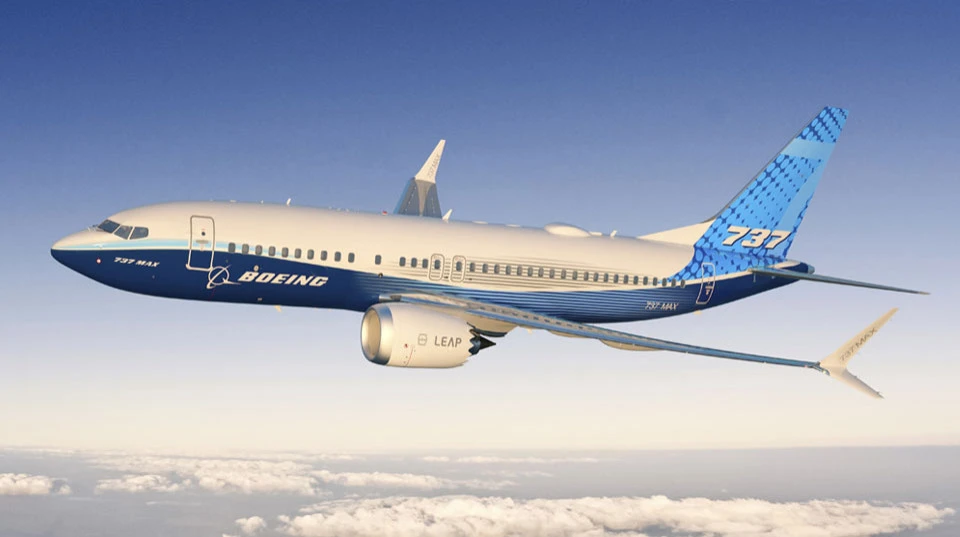
Boeing has already assembled about 40 737-7 and 737 Max 10 aircraft, according to Jefferies / Photo: Boeing
The U.S. Federal Aviation Administration (FAA) has certified the Boeing 737 Max 7—the smallest model in the company’s best-selling aircraft family. The aircraft manufacturer announced this. The certification process was completed nearly ten years after the program began, according to CNBC.
Details
The FAA stated that the approval “reflects years of consistent work to resolve complex technical issues and conduct a comprehensive review of the aircraft’s design and supporting safety analyses.” Once the certificate is issued, airlines will be able to begin commercial operations with the aircraft; however, it may take several months to incorporate the new model into the production schedule, according to CNBC.
The FAA reported that it had required “key improvements” to be made to the Max 7, including an update to the flight control system software, the crew alerting system, and a redesigned engine de-icing system. The agency added that these changes prevent the engine from overheating.
Airlines, including Southwest Airlines, had hoped to begin operating this model even before the pandemic, according to CNBC. However, increased regulatory scrutiny following two Boeing 737 Max 8 crashes in 2018 and 2019, as well as subsequent safety and manufacturing quality issues at Boeing and the need to redesign the engine de-icing system, led to a multi-year delay in certification.
Boeing is also awaiting FAA certification for another long-delayed model—the 737 Max 10, the largest in the 737 Max family, according to CNBC. Some airlines had hoped to begin operating it as early as 2020. In addition, the company is awaiting certification of its largest passenger aircraft—the 777X.
Boeing has already assembled about 40 737-7 and 737 Max 10 aircraft: their certification could provide the company with much-needed cash, noted Jefferies analyst Sheila Kyahyaoglu in a note cited by CNBC. Boeing and other aircraft manufacturers receive a significant portion of an aircraft’s cost only upon delivery to customers, the network explained.
What about the stocks?
Boeing shares rose by nearly 8% at their peak during trading on Monday, August 3. Investors were also buoyed by the decision of the last “bear”—BNP Paribas analyst Matthew Eckers—to raise the company’s stock rating from Underperform (“below market,” equivalent to a sell recommendation) directly to Outperform ("above market," meaning a buy recommendation), skipping "Hold" (a hold recommendation), according to Bloomberg.
Boeing shares are currently trading 7.2% higher than they were at the beginning of 2026. Most analysts recommend buying the stock: it currently has 23 “Buy” and “Overweight” ratings versus five “Hold” ratings, with not a single “Sell” recommendation, according to MarketWatch.
This article was AI-translated and verified by a human editor