Bondholders are worried about Huang's return. Which AI stocks are at risk?
The credit market is wary of new deals between Nvidia and buyers of its chips


Many cloud providers are heavily indebted and have relied on funding from Nvidia / Photo: X/CoreWeave
Investors in AI company bonds saw Jensen Huang’s return as Nvidia’s CEO as a risk: On November 24, the cost of default insurance for these companies rose again after falling the previous day. The bond market fears that with Huang at the helm, Nvidia will continue to generously finance buyers of its own chips, according to CNBC. For stock investors, this is a signal that concerns about the AI industry’s debt have returned, and they primarily concern cloud providers. The cost of insuring against Nvidia’s own default also jumped to near-record levels.
From CoreWeave to Nvidia
Shares of CoreWeave, a cloud-based AI computing provider, which surged 22% on November 23, fell 12% the following day. The yield on the company’s 9.75% coupon bonds maturing in 2031 exceeded 17%. The spread on CoreWeave’s five-year credit default swaps (CDS), which insure against default, rose by 8.5% to more than 1,200 basis points, according to CNBC.
Many cloud providers are heavily indebted and have relied on funding from Nvidia to reduce their need to tap the bond market, CNBC notes. Huang, who is considered one of the main backers of the AI industry, promoted deals under which CoreWeave and other companies purchased Nvidia chips, sometimes backed by Nvidia’s guarantees. This arrangement is known as “circular financing.”
However, John Lloyd, head of corporate credit at Janus Henderson Investors, who holds CoreWeave securities in the portfolios he manages, is cautiously optimistic. He points out that the residual value of AI chips and the prices for renting computing power on the spot market remain high. “They [CoreWeave] don’t need the high-yield bond market right now,” Lloyd said.
CoreWeave isn’t the only company whose debt insurance has become more expensive. The CDS spread for enterprise software developer Oracle rose by 7%. Even for borrowers with high credit ratings—such as Meta Platforms and Amazon—spreads widened by more than 2%. Nvidia’s own CDS spread rose by 3.4% and approached the record set on November 20.
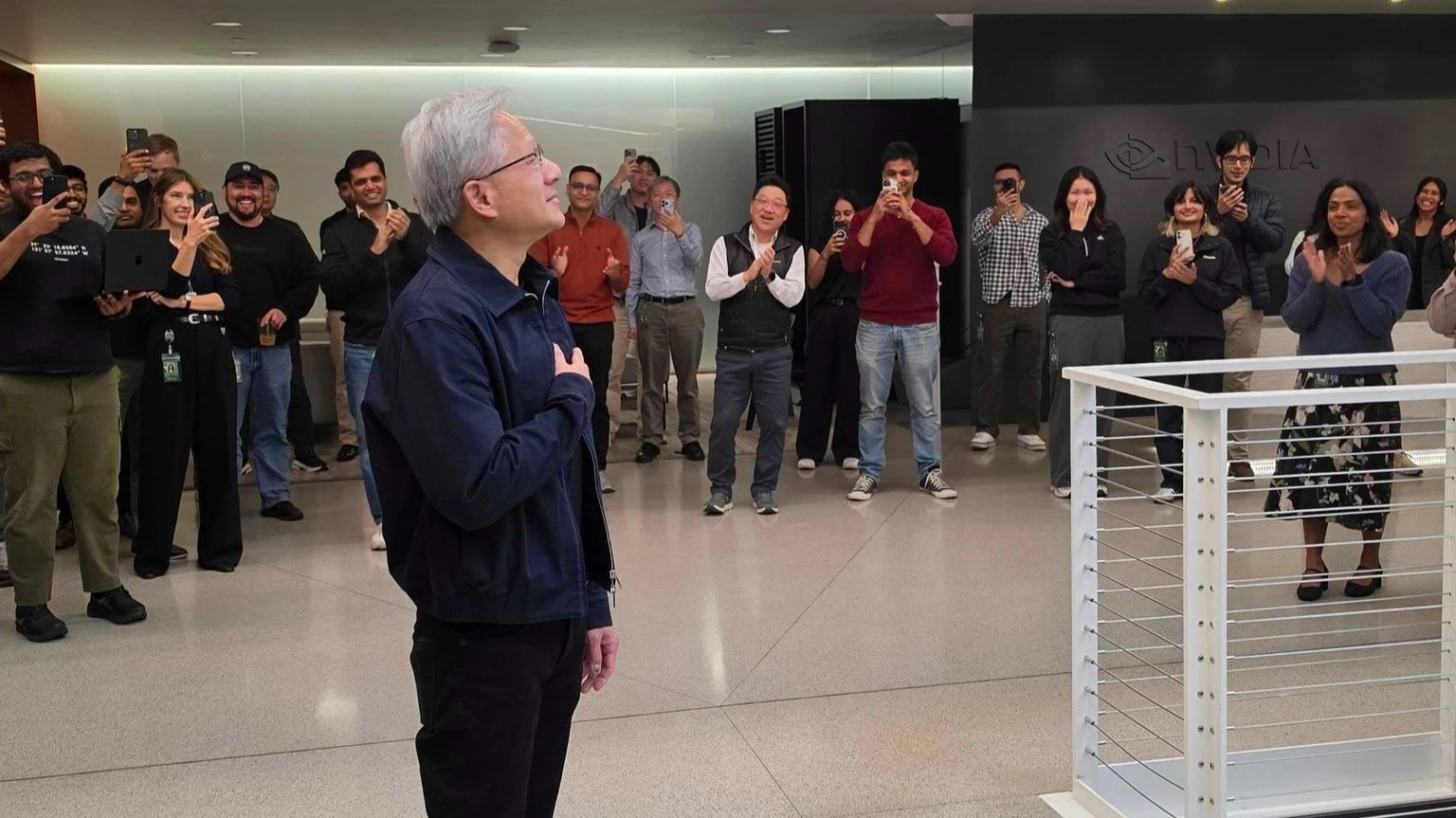
Ben Ammons, founder of FedWatch Advisors, attributed the market reversal on November 24 to a weakening of the “Jensen effect.” Huang returned to his post under pressure from U.S. President Donald Trump, and, according to Amons, the markets’ reaction suggests that they view such government intervention as “moral hazard,” which carries credit and interest rate risks.
Analysts' expectations vary
Nvidia provides financial support to many AI projects: at its quarterly earnings conference, the company reported that, as of October 25, it had committed $118 billion to these projects. As a result, CNBC notes, market participants are closely watching Huang’s next move.
In his absence, CFO Colette Kress stated that Nvidia would “carefully evaluate future investments.” According to Paul Mix, head of technology research at Freedom Capital Markets, this meant that Nvidia would become more selective in financing its customers. “With Jensen [Huang]’s return, that concern should be put to rest,” Mix suggested.
Investor Steve Eisman, who foresaw the 2008 U.S. mortgage crisis and profited from it, expects Huang to “double down on circular financing.” Ruben Roy, an analyst at investment bank Stifel, on the other hand, does not expect a “quick return to broader customer financing.” According to him, this is hindered by close scrutiny of Nvidia’s disclosures regarding financing and guarantees.
This article was AI-translated and verified by a human editor