Brent crude has approached $90. An analyst warned of the risk of a price spike as early as next week

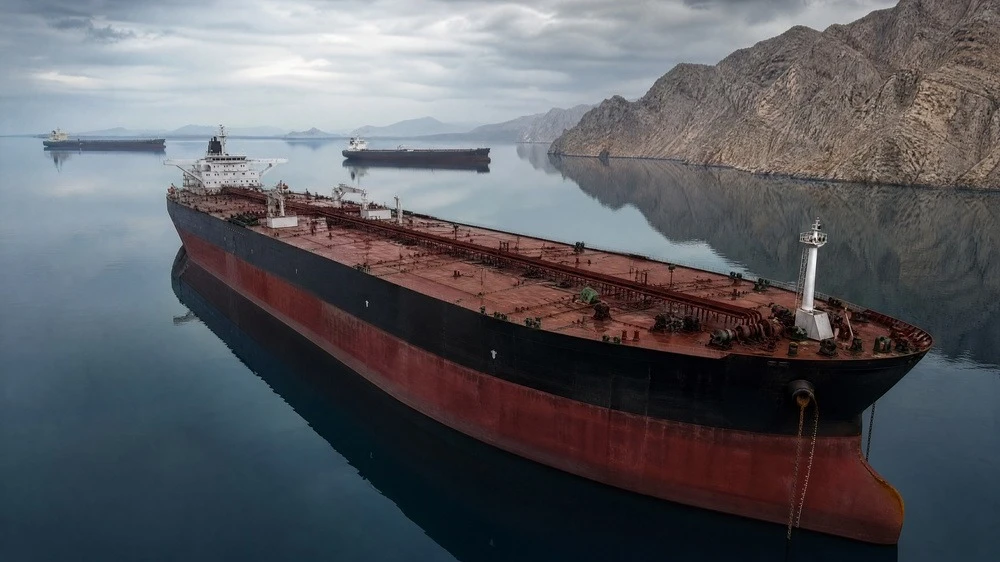
Oil prices rose after Trump took a tougher stance toward Iran / Photo: Boukhatala Chamseddine / Shutterstock
Oil prices rose sharply after U.S. President Donald Trump took a tougher stance toward Iran amid protracted negotiations over the opening of the Strait of Hormuz, according to Bloomberg.
Futures for the international benchmark Brent rose 2.5% on Tuesday, August 11, and came very close to the $90-per-barrel mark. The previous evening, they had jumped by 5%. Futures for U.S. West Texas Intermediate (WTI) crude rose 2.7% on Tuesday, reaching their highest level since the beginning of the month. At the time of this writing, they were trading just under $84 per barrel.
What's Happening in the Negotiations
Brent crude oil futures fell by more than 7% last week — investors reacted to statements by Trump himself and other U.S. officials that an agreement between the U.S. and Iran, which would unblock a vital maritime transport route, is imminent. At this point, the prospects for a deal appear to have worsened, according to CNBC.
On August 10, Trump accused Tehran of attempting to secure compensation for military damage—even though this issue had never been raised in previous negotiations—and put forward counter-conditions, according to Bloomberg. “I likewise demand compensation from Iran for all those they have killed and seriously wounded with their bombs in numerous conflicts. Compensation must also be paid to the families of the hundreds of thousands of innocent protesters whom Iran has killed over the past 50 years,” the president wrote on social media.
He also said that the Strait of Hormuz is “currently open” and under U.S. control. When asked about military escalation, Trump noted that he is keeping that option open, adding, “If we decide to do that, you’ll know.”
Over the weekend, Tehran put forward a series of tough demands for the opening of the strait, according to a report by the country’s state news agency IRNA, as cited by The Wall Street Journal. Under these conditions, the U.S. must permanently cease hostilities, lift the naval blockade, withdraw its military forces, lift all sanctions, unfreeze Iran’s assets, and pay war reparations.
With both sides hardening their positions, it is unlikely that Washington and Tehran will be able to reach an immediate agreement on the Strait of Hormuz, according to Bloomberg.
What Analysts Are Saying
"For now, traders are confident that the parties will be able to reach some kind of agreement, even if it turns out to be a compromise and less than ideal," Jefferies economist Modupe Adegbembo said yesterday on CNBC. “It may not be the best possible agreement, but it could allow for increased shipments of oil and other cargoes through the Strait of Hormuz.” However, such a market reaction will be “short-lived,” Adegbembo warned. “I don’t think oil prices will continue to react so calmly if this drags on until the end of this week or spills over into next week,” she said.
The relatively “low” level of oil prices reflects the fact that investors are trying to price in two opposing scenarios at the same time: a rapid resumption of energy supplies and a prolonged blockade of the strait, noted Kieran Tompkins, senior economist for climate and commodity markets at Capital Economics. But if the deadlock in negotiations drags on, traders will have to factor in a higher probability of a prolonged supply disruption, he wrote.
Tompkins expects prices to rise, especially if investors refocus on the so-called “tipping point.” This is the point at which the market’s ability to offset a supply shock by drawing down inventories is exhausted, and demand will have to fall—through much higher prices—to restore the balance between supply and demand, the analyst explains.
In his view, if the strait remains closed and oil reserves in OECD countries continue to deplete rapidly, this “point” could be reached around the beginning of the fourth quarter. In that case, prices could rise to $120–140 per barrel, Tompkins believes.
This article was AI-translated and verified by a human editor